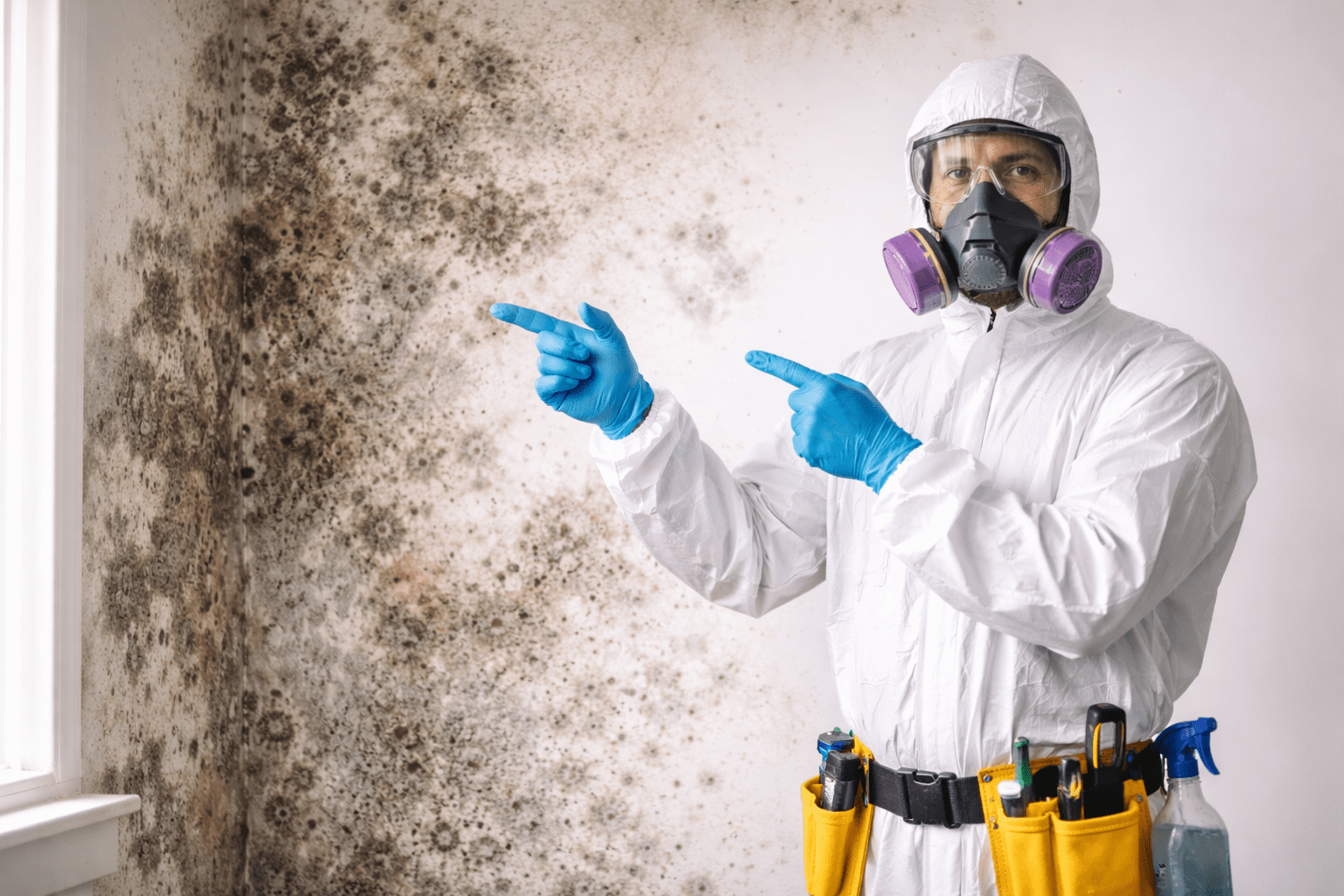
Professional Mold Remediation Explained: When and Why to Hire Experts
Mold removal isn’t just “wipe and spray.” Learn how pros find hidden colonies, stop cross-contamination, and prevent regrowth—plus the exact situations when hiring certified experts is the safest, smartest move.
Quick Takeaway: Mold Isn’t Just a Surface Problem
Mold remediation is a critical process for maintaining healthy indoor environments. It involves the identification, isolation, eradication, and prevention of mold growth. Not addressing mold promptly can lead to significant health risks and property damage.
- Hidden colonies are common (behind walls, under floors, HVAC)
- DIY often removes stains—not the source
- Pros use containment + HEPA filtration to reduce spread
- Post-remediation verification helps confirm success
What Mold Remediation Really Means
Mold remediation is not the same as quick “mold removal.” Real remediation is a complete system: identify the mold, isolate the affected area, remove contamination, clean/disinfect surfaces, fix the moisture source, and prevent regrowth.
Why speed matters (and why mold spreads quietly)
Mold thrives where moisture persists. If a leak, condensation issue, or past water damage isn’t addressed, mold can spread into hidden cavities—drywall, insulation, subfloors, and HVAC ducts—where it can quietly worsen over time.
Signs of Mold Infestation You Shouldn’t Brush Off
Some common indicators of mold presence include:
- Visible mold growth (spots, patches, discoloration on walls/ceilings)
- Musty odors (especially after AC runs or when the home is closed up)
- Water damage or leaks (stains, bubbling paint, warped materials)
- Health symptoms such as allergies, coughing, wheezing, or irritated eyes
Visible mold is often “the tip of the iceberg”
If you can see mold, there’s a real chance more exists in surrounding cavities—especially after leaks or long-term humidity. That’s why professional inspections often include moisture checks and targeted access points.
Musty odor with no spots? That’s a clue.
Persistent musty smell commonly points to hidden colonies in basements, crawlspaces, HVAC systems, or behind cabinetry where airflow carries spores into living areas.
DIY vs Professional Mold Removal: What’s the Real Difference?
DIY mold removal might seem cost-effective, but it often only addresses surface-level mold—leaving behind hidden colonies or airborne spores that can re-seed the same area.
Key risk with DIY
Scrubbing without containment can agitate mold and distribute spores to other rooms. Professionals treat mold like a containment job—not a cleaning job.
When You Should Hire Mold Remediation Experts
The benefits of hiring professional mold remediation experts include:
- Knowledge of deep-rooted mold removal
- Prevention of cross-contamination
- Use of high-grade equipment
- Assured safety and health measures
- Time and cost efficiency compared to DIY remedies (especially when mold returns)
Large areas or multiple rooms
Consider expert services when mold covers a large area, spans multiple surfaces, or appears in more than one room. Bigger jobs require proper containment planning.
Health concerns
If occupants experience allergies or respiratory issues, professional remediation helps reduce spore load and address hidden sources.
Hidden or hard-to-reach growth
Mold in HVAC systems, behind walls, under flooring, basements, crawlspaces, or insulation needs professional tools and protocols.
“A professional mold remediation team not only removes mold but also identifies the source, ensuring long-term solutions.” — Environmental Health Specialist
The Professional Mold Remediation Process (Step-by-Step)
Professionals follow a step-by-step procedure to deliver thorough, long-lasting results:
-
Inspection and Assessment
Identifying the full extent of mold proliferation. This may include moisture mapping and checking adjacent spaces where mold commonly hides.
-
Containment and Removal
Using barriers to prevent spreading and remove infestations. Pros often use negative air machines and HEPA filtration to control airborne spores.
-
Cleaning and Disinfection
Deep-cleaning affected areas to reduce spores using safe, effective products and controlled procedures.
-
Prevention and Restoration
Repairing and altering conditions to hinder future growth—fixing leaks, improving ventilation, and drying materials properly.
-
Post-Remediation Testing
Ensuring mold has been successfully removed through air/surface checks when appropriate, confirming safe re-entry.
Why professionals win: it’s a system, not a spray
Expert remediation services remove visible mold, eliminate its source, and reduce the chance of future growth. This is especially important after water damage or persistent humidity.
How to Choose the Right Mold Remediation Company
When hiring a professional mold remediation company, consider the following factors:
- Certification and experience in mold removal
- Proper insurance coverage
- Use of safe and effective techniques and products
- Good communication and a clear, written scope
Ask these 5 questions
- How will you locate hidden mold and moisture?
- What containment methods will you use?
- Will HEPA filtration run during removal?
- How will you prevent regrowth after cleanup?
- Do you offer post-remediation verification/testing?
Red flags
- “We’ll just spray it” with no containment plan
- No discussion about fixing the moisture source
- Vague scope, unclear process
- Pressure tactics without proper inspection
Prevention: Stop Mold Before It Starts
Preventing mold growth is always easier and more cost-effective than remediating it. Here are proven preventative measures you can start today:
- Regularly inspect and repair water leaks and damage
- Maintain humidity below ~60% (lower is often better)
- Improve ventilation in bathrooms, kitchens, basements
- Address water damage immediately (dry fast, fix the cause)
- Use mold-resistant materials in high-risk areas
Simple rule
Mold needs moisture. Remove the moisture, and you remove mold’s advantage. Consistent prevention beats repeated cleanups.
Real-World Example: Flood → Mold → Full Recovery
Following a severe flood, a commercial property suffered extensive mold growth. A team of certified remediation professionals equipped with HEPA filtration and specialized treatments was deployed. The result was complete eradication of mold and the implementation of a moisture management plan, according to the property manager.
What went right
Containment + filtration reduced spore spread during removal.
What prevented regrowth
A moisture plan fixed the cause—so mold didn’t return.
Why it matters
Professional remediation protects health, materials, and long-term costs.
Frequently Asked Questions
Is professional mold remediation worth it?
If mold is widespread, recurring, or tied to leaks/humidity, professional remediation is often worth it because it addresses containment, hidden growth, and the moisture source—reducing repeat problems.
Why does mold come back after DIY cleaning?
DIY often removes visible growth but not hidden colonies or the underlying moisture issue. Without moisture control, mold can regrow quickly.
Where does mold hide most often?
Behind drywall, under flooring, inside insulation, around windows, basements/crawlspaces, and HVAC components are common hidden hotspots.
Do professionals always do air testing?
Not always. Many projects rely on inspection and moisture mapping. Verification testing may be used when needed for documentation or sensitive situations.
For comprehensive details on mold remediation standards and best practices, refer to public guidance from EPA, IICRC, and CDC.
Ready for a Mold-Free Home?
Mold remediation goes beyond surface cleaning. If you suspect hidden mold—or you’ve had leaks, humidity issues, or health symptoms—get an expert assessment for clarity and peace of mind.