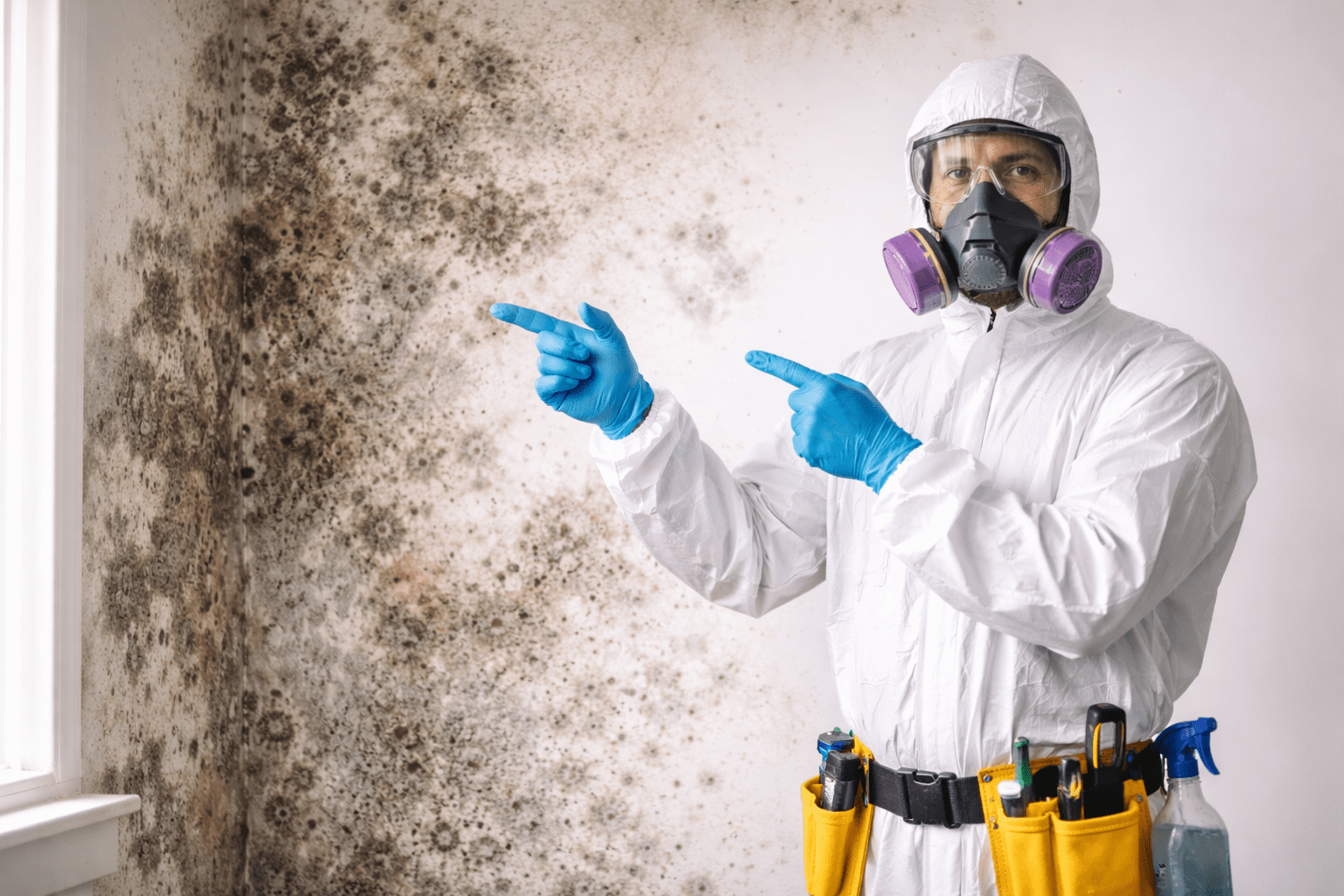
The Ultimate Guide to Mastering Mold: A Comprehensive Look at Indoor Mold Growth, Remediation, and Prevention
Mold is a moisture-driven indoor hazard that can silently damage materials and impact air quality. This guide breaks down how mold grows, the health and property risks, what remediation really means, and how to prevent mold from returning.
Quick Takeaway: Mold Is a Moisture Problem First
Mold can quietly take hold and spread—sometimes behind walls, under floors, or within HVAC systems. The most reliable way to control mold long-term is to control moisture long-term.
- Mold can begin growing within 24–48 hours after moisture exposure
- Hidden mold is more common than visible mold
- Cleaning without containment can spread spores
- Prevention depends on leak control + humidity management
Why Mold Deserves Your Attention
Mold. It’s a word that carries weight—quite literally—because mold can quietly eat away at the structure of your home. But beyond physical damage, mold can pose a silent threat to well-being, hiding in plain sight as a potential trigger for allergies, respiratory irritation, and other issues. Yet for something so common (and so insidious), mold is often poorly understood.
This comprehensive guide is built for homeowners and property managers who want clarity—not panic. We’ll walk through the mold lifecycle, the reasons mold grows indoors, the real-world impacts on health and building materials, and the best ways to mitigate and prevent mold in an indoor environment.
What makes mold “insidious”?
Mold can thrive in hidden locations—behind drywall, under flooring, inside insulation, basements, crawlspaces, and HVAC components. You might not notice it until odors, staining, or symptoms appear. The earlier you catch moisture, the easier mold is to control.
What Mold Is (and Why It’s Often Misunderstood)
Mold is not one single organism. “Mold” is a general term for many types of fungi that can appear in different colors, textures, and patterns. Mold reproduces by releasing microscopic spores that exist virtually everywhere—indoors and outdoors. Spores become a problem when they land on a compatible surface and get what they need most: moisture.
What mold needs to grow
- Moisture (leaks, humidity, condensation, water intrusion)
- Food (paper, wood, dust, drywall facing, fabrics)
- Time (often 24–48 hours after moisture exposure)
- Limited airflow (behind cabinets, closets, crawlspaces)
Common misconception
Many people assume mold is only a “dirty surface” issue. In reality, mold is usually a moisture issue. Cleaning may remove staining, but if moisture remains, mold can return quickly.
Why Mold Thrives Indoors
Mold isn’t picky. It can grow in practically any damp area—from window sills to drywall—if conditions are right. Understanding what fosters mold growth is the foundation of prevention.
- Leaks (roof, plumbing, appliances, supply lines, drains)
- Flooding or water intrusion (storms, foundation seepage, groundwater)
- High humidity (especially in basements, coastal areas, poorly ventilated homes)
- Condensation (cold surfaces, windows, HVAC lines, uninsulated pipes)
- Poor ventilation (bathrooms, kitchens, laundry rooms, crawlspaces)
Humidity target
Mold risk rises when indoor relative humidity stays above ~60%. Many homes do best in the 30–50% range. If you can’t maintain that with ventilation alone, a properly sized dehumidifier can make a major difference.
Where Mold Commonly Hides in Homes and Buildings
Mold can form anywhere moisture persists, but some areas are repeat offenders. These hotspots often combine humidity, organic dust, and limited airflow.
Behind walls & under floors
Leaks, past flooding, or slow plumbing drips can support hidden colonies.
Bathrooms & kitchens
Steam, splashes, and poor exhaust ventilation create chronic moisture.
Basements & crawlspaces
Cool surfaces + damp air can cause condensation and long-term humidity.
Attics
Roof leaks or poor ventilation can trap moisture in insulation and framing.
HVAC & ducts
Condensation near coils, drain issues, or dirty components can spread spores.
Windows & exterior walls
Thermal bridging and condensation can lead to recurring mold on trim/drywall.
Health and Property Risks: Why Mold Isn’t “Just Cosmetic”
The sight of mold is unpleasant, but the less obvious effects deserve equal attention. Mold releases spores and fragments that can irritate the airways—especially in people with allergies, asthma, or sensitivities. Meanwhile, mold can degrade materials like drywall, wood, and insulation, leading to costly repairs.
Health impacts (common)
- Sneezing, congestion, itchy eyes, throat irritation
- Coughing or wheezing (especially with asthma)
- Worsening symptoms in those with allergies or chronic lung disease
- Headaches or fatigue in some sensitive individuals
Property impacts (common)
- Drywall softening, staining, paint bubbling/peeling
- Wood rot risk in chronically damp areas
- Odors that persist and spread via airflow
- Higher remediation costs when problems go untreated
When to treat it as urgent
If mold follows flooding, sewage backup, major leaks, or appears across multiple rooms—or if occupants have breathing issues— it’s smart to get a professional assessment rather than experimenting with “spray-and-wipe” solutions.
How Mold Is Detected (Beyond “What You Can See”)
Mold detection works best when it combines inspection with moisture investigation. Professionals aim to answer three questions: Where is moisture coming from? Where has mold grown? and How far has it spread?
Visual inspection
Looks for staining, warping, musty odors, and water-damaged materials.
Moisture mapping
Finds damp materials behind surfaces where mold commonly develops.
Air/surface sampling (when needed)
Used for documentation, sensitive environments, or verification in some cases.
“Don’t chase mold—chase moisture. Fix the moisture and you stop the mold cycle.” — Building Moisture Specialist
Professional Remediation: What “Done Right” Looks Like
Prevention is paramount, but once mold is confirmed, swift, controlled action matters. Proper remediation is not a casual cleaning job—it’s a containment job designed to remove contaminated materials, reduce airborne spread, and prevent regrowth by correcting moisture conditions.
-
Inspection & scope
Identify affected areas, determine materials involved, and locate the moisture source.
-
Containment & air control
Use barriers and filtration to reduce cross-contamination during removal.
-
Removal & cleaning
Remove unsalvageable materials and clean remaining surfaces using appropriate methods.
-
Drying & moisture correction
Dry materials thoroughly, repair leaks, improve ventilation, and stabilize humidity.
-
Verification (when appropriate)
Final checks to confirm the job was effective and conditions are no longer mold-friendly.
Why “just spraying” is risky
Sprays may lighten stains but often don’t solve hidden growth or moisture sources. Disturbing mold without containment can increase spore spread—especially with fans or aggressive scrubbing.
Mitigation & Prevention: Your Practical Playbook
Once mold is spotted, fast, organized steps help prevent a small issue from becoming a major one. The goal is to eliminate moisture, improve airflow where needed, and remove contamination safely.
Immediate actions
- Stop the moisture source (repair leaks, shut off water if needed)
- Dry the area quickly (dehumidifier + ventilation)
- Remove soaked porous items if they can’t be dried promptly
- Avoid spreading spores (don’t run fans directly on visible mold)
Long-term prevention habits
- Keep humidity controlled (often 30–50% is ideal)
- Use bathroom/kitchen exhaust fans during and after moisture events
- Insulate cold surfaces to reduce condensation
- Maintain HVAC drains/filters and address musty odors early
Simple rule
Mold needs moisture. Remove the moisture, and you remove mold’s advantage. Consistent prevention beats repeated cleanups.
Learn More: Keep Building Your Mold Literacy
Deepening your understanding of mold is an ongoing process. For additional guidance and best practices, look for public, science-based resources from national health and environmental agencies and respected restoration standards organizations.
For comprehensive details on mold remediation standards and best practices, refer to public guidance from EPA, CDC, and IICRC.
Frequently Asked Questions
Is mold always visible?
No. Mold frequently grows behind drywall, under floors, inside insulation, basements/crawlspaces, and HVAC components. Musty odors, recurring condensation, or unexplained staining are common clues.
Why does mold come back after cleaning?
Mold returns when the moisture problem remains. Cleaning may remove surface growth, but if leaks, humidity, or condensation persist, mold can regrow quickly—sometimes in hidden spaces.
When should I call a professional?
Consider professional help if mold is widespread, recurring, linked to flooding/leaks, in HVAC systems, or if anyone in the building has asthma, allergies, or respiratory concerns. Professionals can locate hidden moisture and apply containment to reduce cross-contamination.
What’s the #1 prevention step?
Control moisture: fix leaks fast, keep humidity in a safe range, and improve ventilation in moisture-heavy areas. Moisture control is the foundation of mold prevention.
GET IN TOUCH
Protect Your Home from Mold Today. Mold can be a silent threat—awareness and action are your best allies. If you suspect mold, have a history of leaks or humidity, or want a clear plan forward, an inspection can help identify the source and the safest next steps.
Conclusion: Mastering Mold Starts With Moisture
Mold is common—but it should never be ignored. By understanding how mold grows, where it hides, and why moisture drives the entire cycle, you’re not just reacting to a nuisance—you’re protecting your property and the people inside it.
This guide is designed to arm property stewards with practical knowledge to prevent mold, recognize early warning signs, and respond effectively when mold appears. Keep reading, keep learning, and take control of your indoor environment.