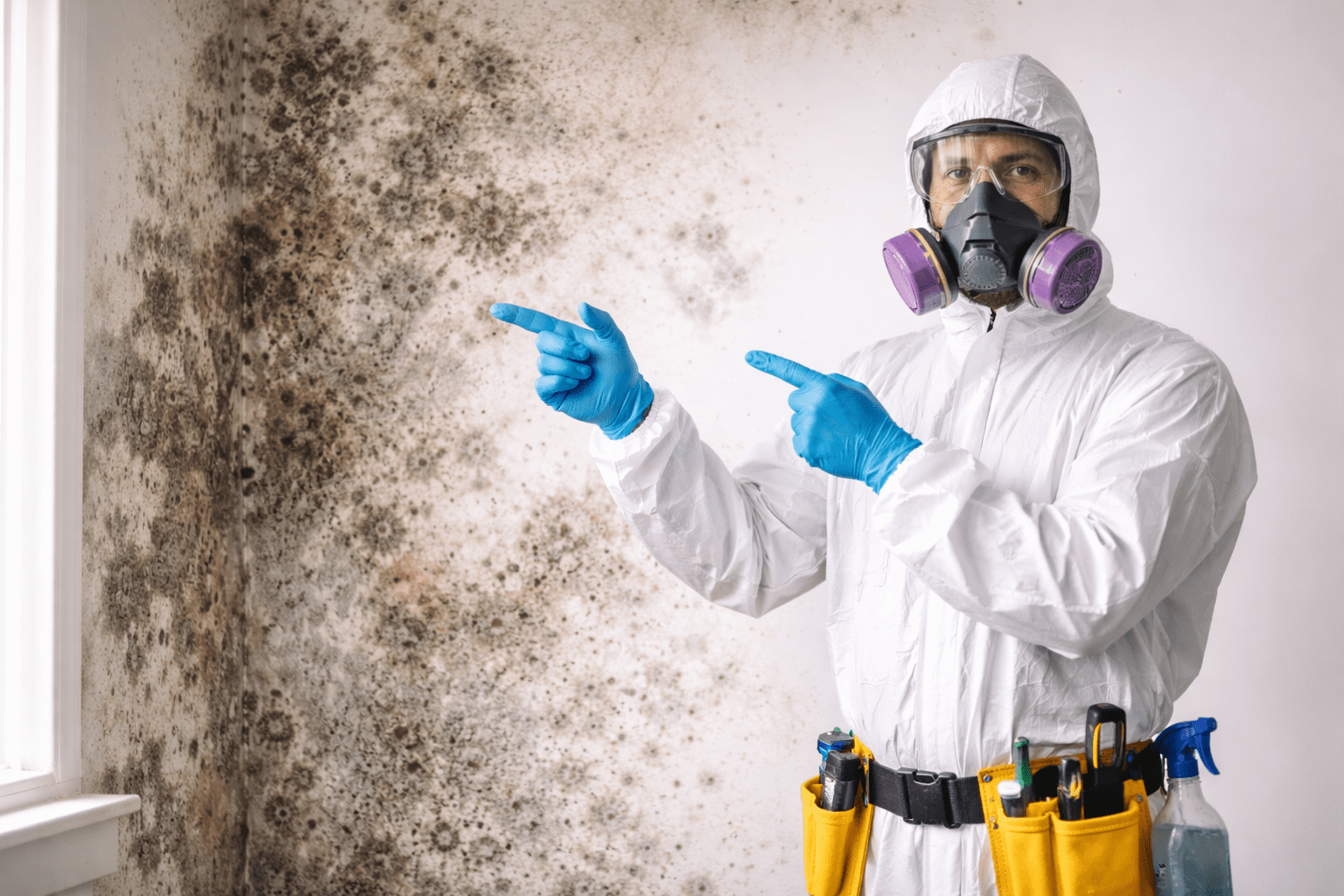
Ultimate Guide to Mold Removal: Tools, Techniques, and Safety Measures
Mold is more than an unsightly inconvenience—it’s a moisture-driven health hazard that can damage materials and compromise indoor air quality. This guide explains the tools, techniques, and safety measures required for effective mold removal, plus when professional help is the smarter choice.
Quick Takeaway: Mold Removal Is a Safety Job
Successful mold removal isn’t just about scrubbing surfaces. It requires proper protection, controlled techniques, and moisture management to prevent spores from spreading or returning.
- Mold spores can spread easily if disturbed
- Personal protection is non-negotiable
- Drying is just as important as cleaning
- Large or hidden mold often needs professionals
Why Mold Removal Matters
Mold thrives in damp, poorly ventilated areas—often in places you don’t immediately see, such as behind walls or beneath flooring. Left unchecked, mold can deteriorate building materials and release spores that irritate the respiratory system.
Understanding the importance of mold removal—and approaching it correctly—is the first step toward restoring a clean, safe indoor environment.
Key point
Mold removal is not just cosmetic. Proper removal protects both structural materials and occupant health.
Essential Tools for Mold Removal
Before starting mold removal, gather the right tools. Each item plays a specific role in protecting you and ensuring the job is done thoroughly.
- Safety goggles – Protect eyes from spores and debris
- Gloves – Prevent skin contact with mold and cleaners
- N-95 respirator – Reduces inhalation of airborne spores
- Scrub brushes – Remove visible mold from hard surfaces
- Plastic sheeting & tape – Isolate affected areas
- Spray bottles – Apply cleaning solutions evenly
- Dehumidifiers – Dry the area to prevent regrowth
Do not skip protection
Respiratory protection is essential. Mold spores can irritate airways and trigger allergic reactions when inhaled.
Effective Mold Removal Techniques
Different mold situations require different strategies. The goal is to remove visible mold safely while preventing spores from spreading to clean areas.
-
Identify the mold-affected area
Determine the extent of growth and whether it’s surface-level or likely hidden.
-
Contain the area
Use plastic sheeting and tape to seal off the space and limit spore movement.
-
Clean affected surfaces
Apply an appropriate cleaning solution and scrub mold from non-porous materials.
-
Dry thoroughly
Use dehumidifiers and ventilation to eliminate moisture completely.
Why drying matters
Even after cleaning, lingering moisture can allow mold to return quickly. Drying is a critical final step.
Critical Safety Measures During Mold Removal
Mold removal exposes you to airborne spores and strong cleaning agents. Taking proper precautions protects your health throughout the process.
Personal protection
- Wear goggles, gloves, and an N-95 respirator
- Consider disposable coveralls for larger jobs
- Wash hands and clothing after work
Workplace safety
- Ventilate the area with windows or exhaust fans
- Never mix cleaning chemicals
- Keep children and pets away from the work zone
Real-World Example: From Mold Problem to Safe Home
After a slow plumbing leak, Linda discovered mold spreading in her basement. By sealing the area, wearing protective gear, cleaning affected surfaces, and thoroughly drying the space, she successfully removed the mold and restored safety.
“Addressing the moisture source made all the difference—once it was dry, the mold stopped coming back.” — Homeowner Case Example
DIY vs Professional Mold Removal
While small, surface-level mold can sometimes be handled by homeowners, professional mold removal offers advantages in larger or more complex cases.
- Professionals use advanced containment and filtration
- They identify hidden mold and moisture sources
- They reduce the risk of spore spread and exposure
When to call a professional
If mold covers large areas, keeps returning, follows flooding, or affects HVAC systems, professional remediation is strongly recommended.
Helpful Resources for Mold Education
Continued learning helps you stay ahead of mold issues. Trusted, science-based resources provide up-to-date best practices.
- EPA’s Guide on Mold Remediation
- Professional Mold Removal Services
- Identifying Different Types of Mold
- Recommended Mold Removal Products
Frequently Asked Questions
Is mold always dangerous?
Not everyone reacts the same, but prolonged exposure is not ideal for any indoor environment.
Can mold come back after removal?
Yes—if moisture is not controlled, mold can return even after thorough cleaning.
What’s the most important prevention step?
Moisture control: fix leaks quickly and keep indoor humidity in a safe range.
GET IN TOUCH
Protect Your Home from Mold Today. If mold removal feels overwhelming, a professional inspection can provide clarity and peace of mind.