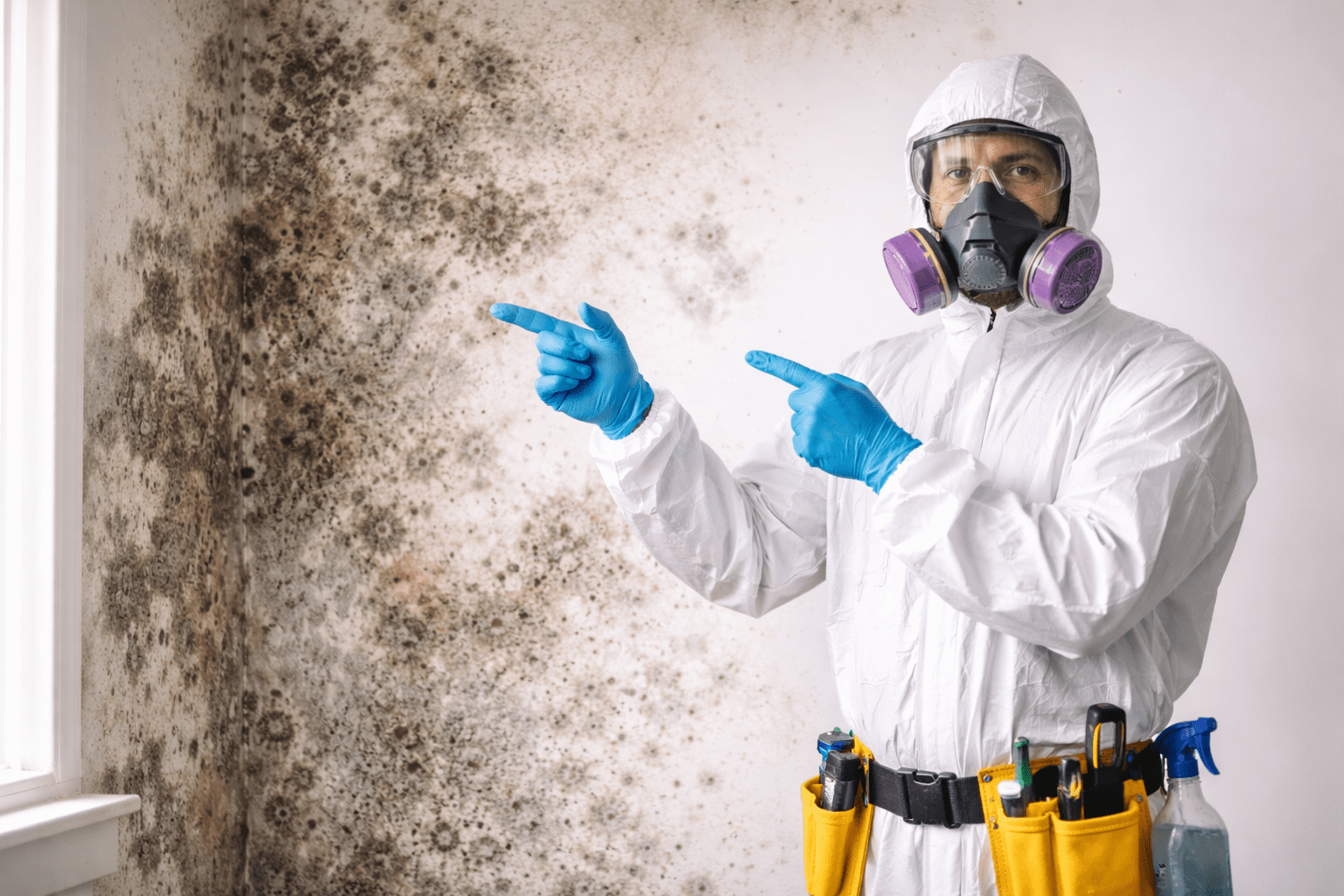
The Impact of Indoor Humidity on Mold Growth: What You Need to Know
Indoor humidity plays a decisive role in mold growth. When moisture levels stay high, mold spores can settle, spread, and affect both health and building materials. This guide explains how humidity fuels mold, where problems start, and how to keep your home dry, healthy, and mold-resistant.
Quick Takeaway: Humidity Drives Mold
Mold spores are always present indoors. What determines whether they grow is moisture. Keeping indoor humidity in a safe range is one of the most effective ways to prevent mold.
- Mold growth increases when humidity exceeds ~60%
- Bathrooms, basements, and kitchens are high-risk zones
- Condensation can trigger hidden mold growth
- Humidity control protects health and building materials
How Indoor Humidity Affects Mold Growth
Mold spores enter homes through everyday activity—open doors and windows, ventilation systems, clothing, and pets. On their own, these spores are harmless. The problem begins when indoor humidity provides the moisture mold needs to grow.
When relative humidity consistently rises above 60%, moisture settles on walls, ceilings, fabrics, and building materials. This creates ideal conditions for mold colonies to form, often within just a few days.
Key insight
Mold growth is not random. It follows moisture. Controlling humidity interrupts the mold lifecycle before it can begin.
Why Indoor Humidity Gets Too High
Elevated indoor humidity usually results from a combination of moisture sources and limited airflow. Everyday activities can contribute more moisture than many homeowners realize.
- Poor ventilation in bathrooms and kitchens
- Water leaks from plumbing, roofs, or windows
- Appliances such as dishwashers, dryers, and humidifiers
- Condensation on cold surfaces or windows
- Inadequate HVAC airflow or maintenance
Condensation warning
Condensation on walls, ceilings, or air ducts is a strong indicator that humidity is too high and mold risk is increasing.
Areas Most Affected by High Humidity
Mold can grow anywhere moisture persists, but certain parts of the home are especially vulnerable due to temperature differences, limited airflow, or frequent water use.
Basements
Cool surfaces and damp air promote condensation and mold on walls and carpets.
Bathrooms
Steam and poor ventilation contribute to mold in showers, toilets, and ceilings.
Kitchens
Cooking moisture and poor venting can lead to mold in ducts and cabinets.
HVAC & ducts
Condensation and dust buildup can allow mold to spread through airflow.
Attics
Inadequate ventilation traps moist air near insulation and roof decking.
Crawl spaces
Ground moisture and limited airflow make these areas frequent mold sources.
Health Risks Linked to Mold and High Humidity
High humidity increases mold growth, which in turn raises the risk of exposure to airborne spores. These spores can irritate the respiratory system and worsen existing health conditions.
Common symptoms
- Coughing and sneezing
- Eye, nose, or throat irritation
- Skin rashes or itching
- Headaches or fatigue
Higher-risk groups
- People with asthma or allergies
- Children and older adults
- Individuals with weakened immune systems
- Those with chronic respiratory conditions
“Managing indoor humidity is one of the simplest ways to reduce mold-related health risks.” — Indoor Air Quality Specialist
How to Control Indoor Humidity
Maintaining indoor humidity between 30% and 50% significantly reduces mold risk. The following strategies help keep moisture under control year-round.
- Use dehumidifiers in damp areas such as basements
- Run exhaust fans during and after showers or cooking
- Maintain HVAC systems for proper airflow and drainage
- Fix leaks and water intrusion promptly
- Monitor humidity with a hygrometer
- Use mold-resistant materials during renovations
Healthy home rule
If indoor air feels damp or stale, humidity is likely too high. Fresh airflow and drying are your first lines of defense.
Targeted Prevention for High-Risk Areas
Certain areas require extra attention due to constant exposure to moisture. Preventive maintenance in these spaces can stop mold before it starts.
Basements & crawl spaces
Use dehumidifiers, seal foundation cracks, and consider vapor barriers to limit ground moisture.
Bathrooms & kitchens
Ensure exhaust fans vent outside and clean moisture-prone surfaces regularly.
What to Do If Mold Appears
If mold develops despite prevention efforts, early action can limit damage. Small, surface-level areas may be manageable, while larger problems often require professional remediation.
- Clean small areas with appropriate solutions and protective gear
- Dry the area completely to prevent regrowth
- Address the moisture source immediately
- Seek professional help for widespread or recurring mold
Frequently Asked Questions
What humidity level encourages mold growth?
Mold growth becomes more likely when indoor humidity stays above 60% for extended periods.
Can mold grow without visible water?
Yes. Condensation and high humidity alone can provide enough moisture for mold to grow.
Is a dehumidifier enough to prevent mold?
Dehumidifiers help, but leaks, ventilation, and airflow issues must also be addressed.
GET IN TOUCH
Protect Your Home from Mold Today. If humidity issues or recurring mold concern you, a professional inspection can identify moisture sources and prevention strategies.