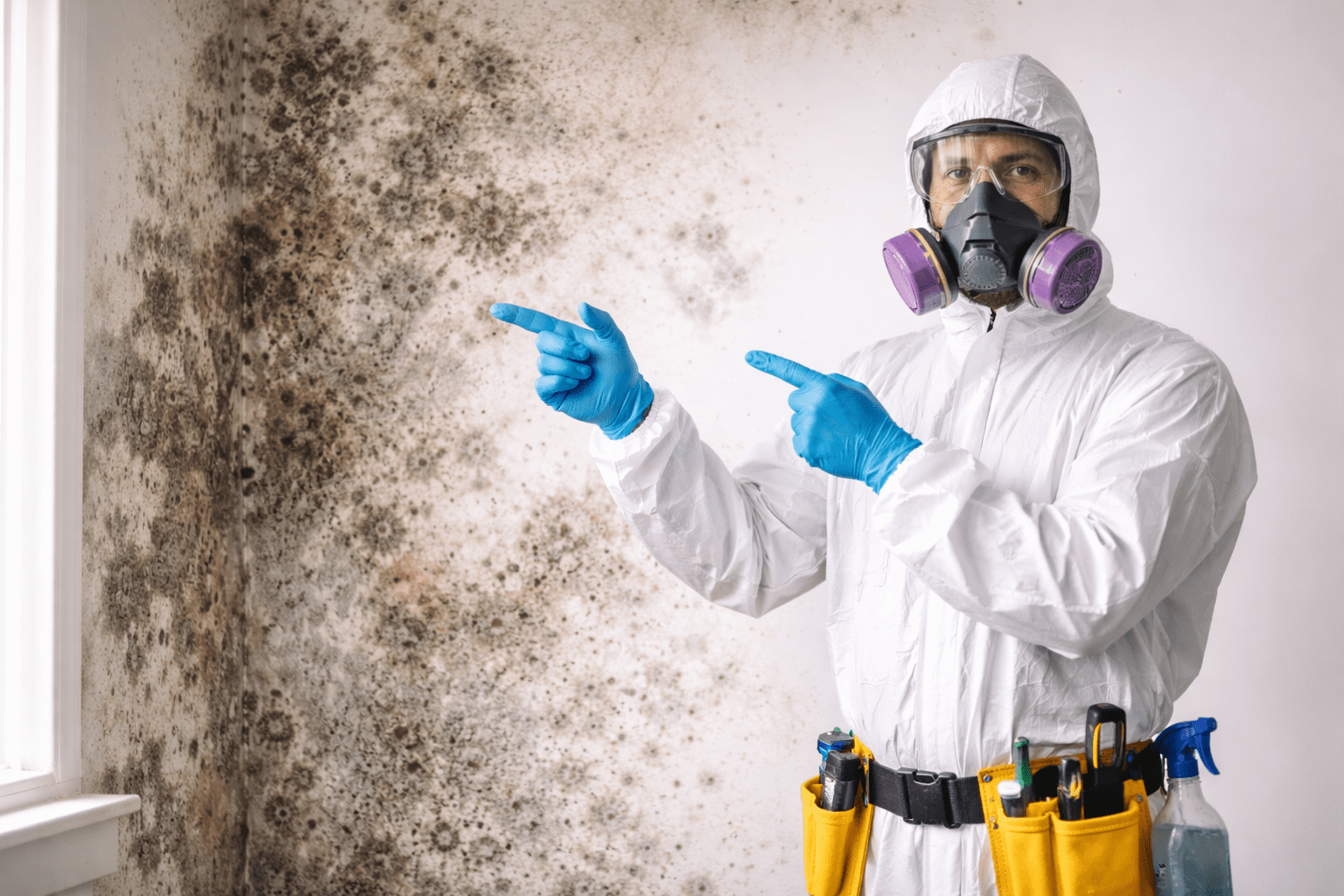
How Climate Change is Increasing Mold Risk in Your Home
Climate change is reshaping weather patterns and indoor moisture conditions—two key drivers of mold growth. As flooding, extreme storms, heat, and humidity increase, homes face more frequent moisture intrusion and longer drying times. This guide explains the link and the practical steps homeowners can take to reduce risk.
Quick Takeaway: Climate Change = More Moisture Events
Mold spores are always present, but they need moisture to grow. Climate change increases the “moisture events” that fuel mold—flooding, heavy rainfall, humidity spikes, and condensation from cooling systems. Prevention now requires more vigilance and faster drying strategies.
- More storms and floods increase water intrusion
- Warmer air holds more moisture → higher indoor humidity
- Longer wet seasons can extend drying time
- Condensation in HVAC systems can trigger hidden mold
The Link Between Climate Change and Mold Growth
Climate change has increased average temperatures and made weather patterns more unpredictable. Warmer temperatures and increased humidity create ideal conditions for mold because mold spores only need one missing ingredient to grow: moisture.
Mold spores enter homes through doors, windows, vents, and everyday activity. In a dry home, these spores remain harmless. But when moisture levels rise—after storms, leaks, or extended humidity—mold can settle, colonize materials, and spread.
Why this matters now
Warmer winters and longer rainy seasons can keep homes damp for longer periods. More time with moisture means more opportunity for mold to establish in walls, ceilings, basements, attics, and HVAC components.
How Flooding and Storms Increase Mold Risk
Severe weather events—heavy rain, hurricanes, storm surges, and flooding—are major drivers of residential mold. Water intrusion can saturate drywall, flooring, insulation, and framing. If drying is delayed, mold can begin growing quickly and spread into hidden cavities.
Basements
Basements often flood first and dry last, making them common sites for post-storm mold.
Walls & ceilings
Wind-driven rain and roof damage can cause hidden moisture that leads to ceiling and wall mold.
HVAC systems
Damp ductwork and vents can harbor mold and distribute spores through airflow if not addressed.
Flooding rule
The longer water remains, the higher the mold risk. Fast extraction, drying, and moisture checks are essential after any flood or severe leak.
Humidity and Temperature Fluctuations
Climate change can increase both humidity levels and temperature swings. High humidity supplies mold with the moisture it needs, and sudden temperature changes can cause condensation on cooler surfaces—especially in attics, crawl spaces, basements, and around windows.
Increased air conditioning use can also contribute to mold risk. Cooling systems can create condensation in and around vents, drip pans, and ducts—particularly if drainage is clogged or airflow is restricted.
Humidity hotspots
Bathrooms, kitchens, laundry areas, basements, and poorly ventilated rooms can accumulate moisture during humid seasons.
Condensation hotspots
Attic roof decking, crawl space framing, cold exterior walls, and HVAC components often collect condensation during temperature swings.
Health Risks Associated With Mold
Mold is not only a building issue—it can impact health, especially for people with asthma, allergies, respiratory conditions, or weakened immune systems. Exposure may irritate the nose, throat, and lungs and contribute to persistent discomfort in sensitive individuals.
- Coughing, sneezing, and nasal congestion
- Eye, throat, or skin irritation
- Worsening asthma symptoms or wheezing
- Headaches or fatigue in sensitive individuals
Health-first mindset
If household symptoms improve when away from home and return indoors, moisture and mold should be on your checklist.
Prevention Steps for Homeowners
As climate conditions shift, mold prevention relies on fast moisture control and consistent maintenance. The goal is to prevent water intrusion, reduce indoor humidity, and dry materials quickly after moisture events.
- Inspect regularly for leaks, water stains, damp odors, and condensation
- Control humidity with dehumidifiers and proper ventilation (especially in basements)
- Maintain HVAC (clean filters, ensure proper drainage, keep coils and pans clean)
- Vent moisture using exhaust fans in bathrooms and kitchens
- Repair water damage fast after storms, flooding, or appliance leaks
- Check hidden zones like attics, crawl spaces, ductwork, and behind cabinets
- Call professionals when mold is widespread, recurring, or linked to flooding
Best prevention habit
Treat moisture as urgent. Drying quickly and fixing the source is the most effective way to prevent mold.
Frequently Asked Questions
Why does climate change increase mold risk?
More frequent storms, flooding, humidity spikes, and longer wet seasons increase indoor moisture exposure— the main driver of mold growth.
What should I do after a flood or major leak?
Remove standing water quickly, begin drying immediately, and inspect hidden areas (walls, floors, insulation). If odor or staining persists, seek professional assessment.
How can I lower humidity during hot, humid seasons?
Use dehumidifiers, ensure bathrooms and kitchens vent outdoors, maintain HVAC drainage, and keep indoor humidity typically in the 30–50% range when possible.
GET IN TOUCH
Protect Your Home from Mold Today. If your home has experienced flooding, heavy storms, recurring humidity, or persistent musty odors, a professional inspection can help you identify moisture sources and reduce mold risk.