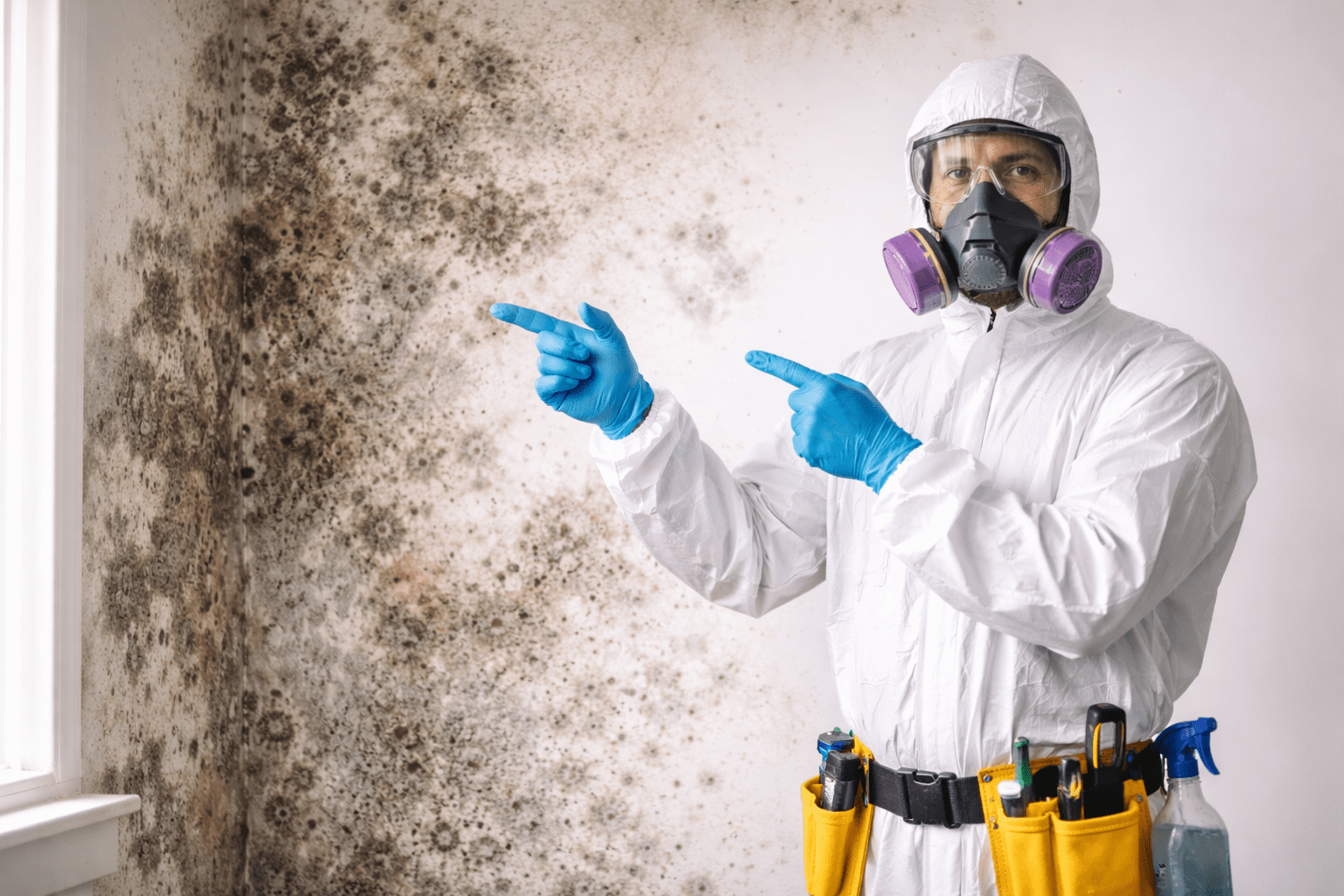
How to Treat Mold on Walls: A Step-by-Step Guide
Mold on walls is more than a cosmetic issue—it can damage building materials, affect indoor air quality, and trigger health symptoms. This practical guide explains why wall mold forms, how to remove it safely, and how to stop it from coming back.
Quick Takeaway: Mold on Walls Needs More Than Cleaning
Successful treatment of wall mold requires two things: removing the visible growth and correcting the moisture problem that allowed it to form. Skipping either step often leads to mold returning.
- Moisture is the root cause of wall mold
- Surface cleaning alone may not be enough
- Proper drying is essential after removal
- Prevention depends on humidity and ventilation
What Is Mold on Walls?
Mold on walls develops when airborne mold spores land on damp wall surfaces and begin to grow. Walls made of drywall, plaster, or wood-based materials can absorb moisture, allowing mold colonies to penetrate below the surface.
Wall mold often appears as black, green, white, or gray patches and is commonly accompanied by a musty odor. Bathrooms, kitchens, basements, and laundry areas are frequent locations due to higher humidity and moisture exposure.
Early action matters
Treating wall mold early helps prevent deeper material damage and reduces the risk of health-related symptoms.
Why Mold Grows on Walls
Mold growth on walls is almost always linked to excess moisture. When moisture remains trapped inside or on wall surfaces, mold can begin to grow and spread.
- Plumbing leaks behind walls or under sinks
- Roof leaks or damaged flashing
- Cracks in foundations allowing moisture intrusion
- High indoor humidity, especially in bathrooms and kitchens
- Poor ventilation that prevents drying
- Condensation on cold exterior walls
Common mistake
Cleaning visible mold without fixing moisture sources often leads to mold returning in the same location.
Why Removing Mold on Walls Is Important
Mold on walls can cause long-term damage if ignored. As mold spreads, it breaks down wall materials, potentially weakening drywall and framing.
Structural concerns
Prolonged mold growth can lead to staining, soft drywall, peeling paint, and costly repairs.
Health concerns
Mold spores can irritate the respiratory system, trigger allergies, and worsen asthma or sensitivities.
“Addressing wall mold promptly protects both the building and the people living in it.” — Indoor Environmental Specialist
Step-by-Step: How to Treat Mold on Walls
Treating mold on walls requires a careful, methodical approach to avoid spreading spores and to ensure effective removal.
-
Protect yourself
Wear gloves, eye protection, and an N-95 mask. Ensure good ventilation before starting.
-
Identify the affected area
Determine how far the mold extends and check nearby surfaces for moisture or hidden damage.
-
Clean the mold
Use an appropriate cleaning solution for the wall surface. Gently scrub visible mold without spreading debris.
-
Dry thoroughly
Dry the wall completely using airflow and dehumidification to prevent regrowth.
-
Repair and restore
Fix leaks, improve ventilation, and repair damaged wall materials as needed to prevent future mold growth.
Know your limits
If mold covers a large area, penetrates deep into drywall, or keeps returning, professional remediation may be needed.
How to Prevent Mold From Returning
Preventing mold on walls requires ongoing moisture control and regular home maintenance.
- Control indoor humidity with dehumidifiers
- Use exhaust fans in bathrooms and kitchens
- Fix plumbing, roof, or window leaks promptly
- Improve airflow and avoid blocking vents
- Maintain HVAC systems and drainage
- Use mold-resistant materials in high-moisture areas
- Inspect walls regularly for early signs of moisture
Prevention mindset
Mold prevention is moisture management. When walls stay dry, mold cannot thrive.
Frequently Asked Questions
Can I treat wall mold myself?
Small areas of surface mold may be manageable with proper protection. Larger or recurring problems often require professional help.
Why does mold keep coming back on the same wall?
Recurring mold usually indicates unresolved moisture, such as hidden leaks, condensation, or high humidity.
Is mold on walls always visible?
No. Mold can grow behind walls or inside materials before visible signs appear.
GET IN TOUCH
Protect Your Home from Mold Today. If you’re dealing with persistent wall mold, moisture problems, or health concerns, a professional inspection can help identify the cause and the safest solution.