How to Apply Mold Science: Prevention and Remediation
Mold science explains why mold grows, how it spreads, and how to stop it safely. In this guide, we translate core mold principles into practical actions—moisture control, inspection methods, proven remediation steps, safety protocols, compliance awareness, and the newer technologies shaping modern mold management.
Quick Takeaway: Mold Science = Moisture + Time + Materials
Mold spores are common, but growth happens when moisture persists on compatible materials. Mold prevention is moisture management. Mold remediation is controlled removal plus drying and correction of the underlying moisture problem.
- Mold needs moisture, oxygen, and a surface to colonize
- Humidity and poor ventilation accelerate growth
- Containment prevents cross-contamination during cleanup
- Drying and moisture correction prevent recurrence
Why Mold Science Matters
Mold is a fungus found throughout the natural world. Outdoors, it plays a valuable role in breaking down organic matter. Indoors, mold becomes a problem when damp conditions allow it to colonize building materials and release spores into living spaces.
Understanding mold science helps you make better decisions: you can prevent mold by controlling moisture, detect problems earlier through targeted inspection, and remediate safely by using containment and drying principles that reduce spread and recurrence.
Core idea
Mold is rarely “random.” When mold appears, it usually points to a moisture pathway—leaks, humidity, condensation, or ventilation failures.
Understanding Mold Formation
Mold forms when microscopic spores land on a surface that stays damp long enough to support growth. Once established, mold can spread through additional spore release and by expanding into porous materials.
Key growth drivers
- Moisture: leaks, floods, condensation, high humidity
- Temperature: many species thrive in typical indoor temperatures
- Food source: drywall paper, wood, dust, fabrics
- Time: persistent dampness allows colonization
Why species differences matter
Mold species vary in appearance and habitat preferences. Some grow on damp drywall, others prefer dusty HVAC components or chronically wet crawl spaces. While homeowners don’t need to identify species to take action, professionals often use this context to plan targeted remediation.
Important note
If moisture remains, mold often returns—even after thorough cleaning. Moisture correction is the foundation of long-term control.
Applying Prevention Strategies
Prevention focuses on eliminating the conditions mold needs. The most effective strategy is moisture control, supported by smart material choices and ventilation that keeps surfaces dry.
Moisture control measures
Fix leaks quickly, maintain proper drainage, address roof flashing issues, and use dehumidifiers where dampness persists.
Materials selection
Mold-resistant drywall, moisture-tolerant flooring, and suitable paints/coatings reduce susceptibility in high-risk areas.
Ventilation techniques
Exhaust fans in bathrooms/kitchens, balanced airflow, and proper attic/crawlspace ventilation reduce humidity and condensation.
Simple prevention rule
Keep indoor humidity controlled and surfaces dry. Mold prevention works best when it’s built into everyday maintenance.
Inspection and Detection Methods
Early detection reduces damage and cost. Effective inspection looks for both mold and the moisture that feeds it. A strong inspection process combines visible evidence, moisture measurements, and careful evaluation of hidden zones.
Visual inspection techniques
Look for discoloration, water staining, bubbling paint, warped materials, and musty odors. Don’t forget hidden spaces: behind furniture on exterior walls, under sinks, around windows, attic decking, and crawl spaces.
Moisture and humidity tools
Hygrometers measure air humidity. Moisture meters help identify damp building materials. These tools support targeted action and help confirm when drying is complete.
Mold Testing: When and How
Mold testing can be useful when you need documentation, when mold is suspected but not visible, or when verifying conditions after remediation. Testing typically falls into three categories: air sampling, surface sampling, and bulk material sampling.
Testing best practice
Testing works best when paired with moisture investigation. Numbers alone don’t fix mold—finding the water source does.
Core Remediation Techniques
Remediation is a controlled process designed to remove mold safely while preventing spore spread and reducing recurrence. A science-informed remediation plan follows a sequence: assess, contain, remove, clean, and dry.
-
Removal of mold-infested materials
Severely contaminated porous materials (drywall, insulation, carpet padding) may need to be safely removed and disposed of to prevent ongoing spore release.
-
Cleaning and disinfection methods
Non-porous or semi-porous surfaces can be cleaned using appropriate agents and methods. The goal is physical removal of contamination and reduction of residual spores on surfaces.
-
Structural drying procedures
Drying is essential. Dehumidification and controlled airflow help remove moisture from materials, making the environment less supportive of regrowth.
Common remediation failure
Removing mold without addressing moisture often results in recurrence. Drying and moisture correction are non-negotiable steps.
Safety and Exposure Control
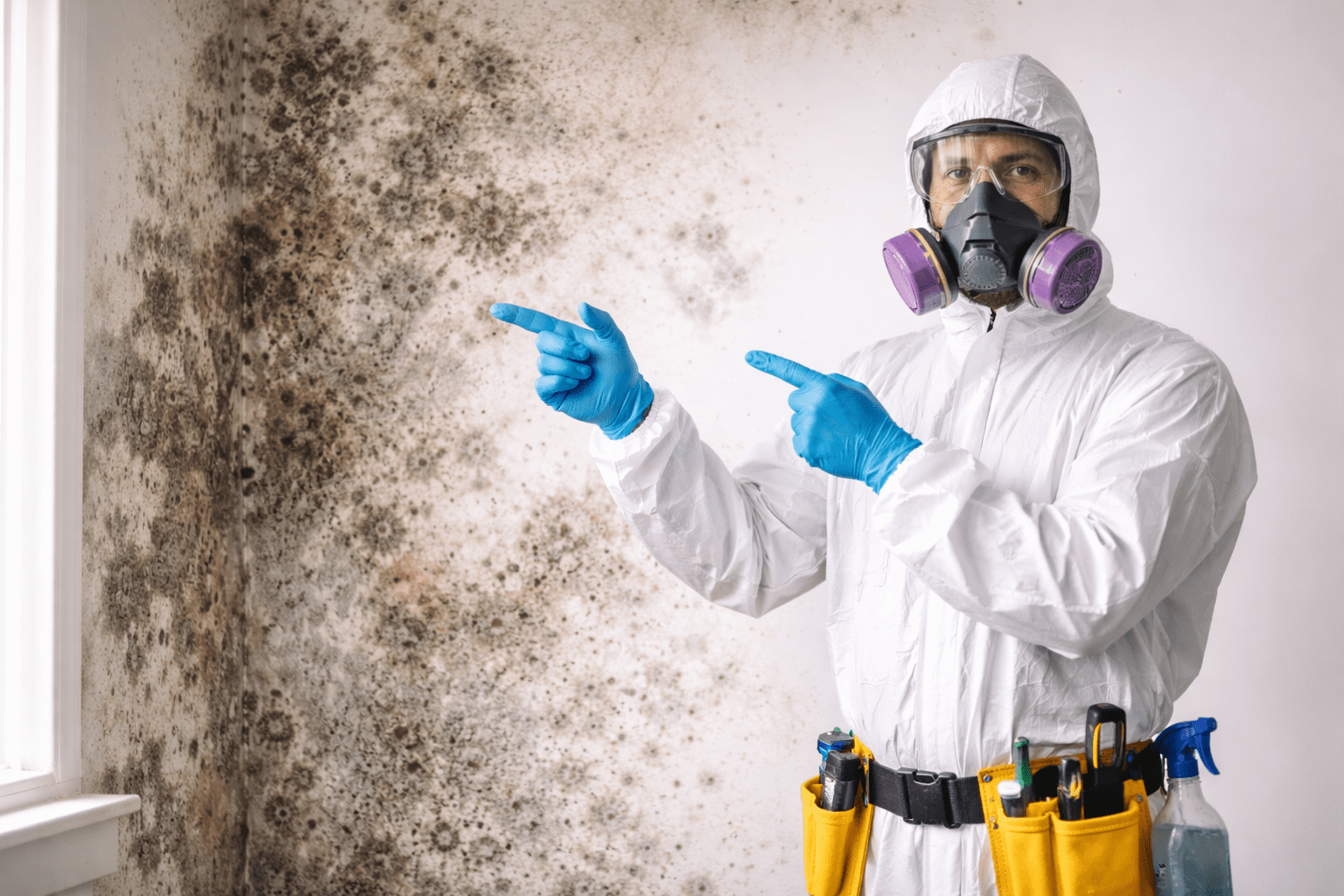
Mold remediation can expose workers and occupants to spores and contaminated dust. Safety practices reduce risk and prevent cross-contamination to clean areas.
- Health risks: respiratory irritation, allergies, symptom flare-ups in sensitive individuals
- PPE: respirators, gloves, eye protection, protective clothing as needed
- Containment: barriers and controlled airflow strategies to limit spread
- Handling protocols: careful bagging, sealed disposal, and controlled removal methods
Legal and Regulatory Awareness
Mold remediation often intersects with building standards, safety expectations, and property responsibilities. Regulations and guidance can vary by location, but common themes include moisture control, ventilation, safe handling, and proper documentation.
Owner/manager responsibilities
Property owners and managers are typically responsible for maintaining safe indoor environments, responding to leaks and moisture problems, and addressing mold when discovered.
Documentation matters
Compliance monitoring may include inspection reports, remediation logs, moisture readings, and verification steps—useful for accountability and risk reduction.
Emerging Technology and Innovation
Modern mold management is evolving. New tools improve early detection and help remediation teams work more precisely. Innovations also aim to reduce environmental impact while improving results.
Detection & monitoring
Sensors and monitoring systems track humidity and moisture patterns, supporting early intervention before visible mold develops.
Novel remediation options
UV-based tools, specialized filtration, and next-generation coatings can complement traditional remediation, when used appropriately and safely.
Future trends
Research continues into sustainable building materials, predictive modeling, and integrated moisture-management strategies.
Training, Certification, and Competency
Mold remediation outcomes depend heavily on skill and process discipline. Training supports consistent quality, safety, and compliance—especially for larger or complex projects.
- Supports industry-standard methods and best practices
- Improves detection, remediation, and safety competency
- Reduces errors, liability, and health hazards
- Builds trust with clients and regulatory agencies
- Encourages continuous improvement and innovation
Common training pathways
Organizations and programs frequently referenced in the industry include IICRC, NAMP, OSHA training courses, local vocational programs, workshops, webinars, conferences, and mentorship opportunities.
Community Outreach and Public Awareness
Public education reduces mold risk by encouraging early detection and better moisture habits. Communities benefit when homeowners, renters, and property managers understand how to identify warning signs and when to seek help.
Outreach strategies
- Educational brochures and online guides
- Workshops and seminars for homeowners/renters
- Community events and local partnerships
- Helplines and support resources
Collaborative efforts
Partnerships with health organizations and government agencies help develop practical guidance, strengthen policy, and improve public health outcomes related to indoor air quality.
Future Directions
Mold science will remain important as buildings age, climate conditions shift, and indoor environments become more tightly sealed for energy efficiency. Future progress will likely focus on earlier detection, faster drying, better moisture-resistant materials, and practical strategies that reduce recurrence.
Practical application summary
Apply mold science by controlling moisture, inspecting regularly, responding quickly to leaks, using safe containment during cleanup, and documenting work when remediation is required.
Frequently Asked Questions
What is the most important mold prevention step?
Moisture control—fix leaks, reduce humidity, and prevent condensation through ventilation and insulation.
Do I always need mold testing?
Not always. Testing can help with documentation or hidden mold concerns, but moisture investigation and visible evidence often guide action.
Why does mold return after cleanup?
Mold usually returns when moisture persists. Without fixing humidity, leaks, or condensation, regrowth is likely.
GET IN TOUCH
If you’re dealing with moisture problems, recurring mold, or indoor air concerns, a professional assessment can identify the root cause and outline the safest path forward.