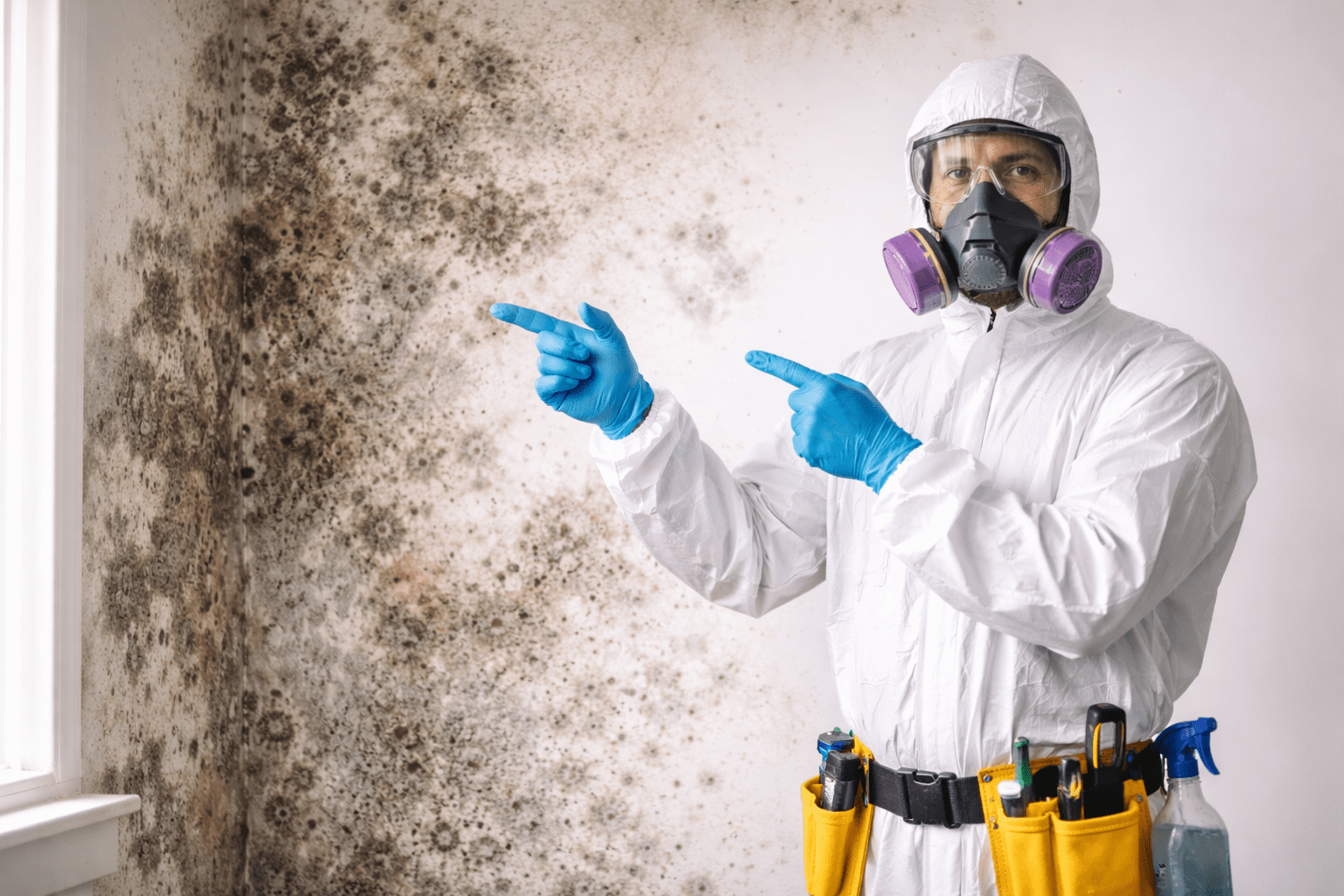
How to Choose the Best Mold Cleaning Solution?
Not all mold cleaners work the same—and the “best” option depends on the surface, the size of the problem, safety needs, and whether moisture has been fixed. This guide breaks down how to choose a mold cleaning solution that removes growth effectively while prioritizing health, materials, and long-term prevention.
Quick Takeaway: Match the Cleaner to the Problem
The “best” mold cleaning solution is the one that fits your situation: the type of surface, the size of the affected area, the health risk in the home, and whether you can fully dry the materials. Any cleaner will fail long-term if moisture isn’t corrected.
- Identify moisture source first (leaks, humidity, condensation)
- Non-porous surfaces clean differently than porous materials
- Safety matters: PPE + ventilation + low-VOC choices
- Prevention = drying + humidity control + routine inspection
Why Choosing the Right Mold Cleaner Matters
Selecting the best mold cleaning solution is not just about removing stains. Mold can affect indoor air quality, damage materials, and trigger health symptoms—especially in sensitive individuals. The best cleaner is one part of a bigger plan that includes safe removal and moisture correction.
A cleaner that works well on tile may be the wrong choice for drywall. And a strong chemical product can create indoor air irritation if used without ventilation. That’s why the decision should consider the mold’s extent, surface type, household health needs, environmental impact, and long-term prevention.
Key idea
The best solution removes mold effectively without creating a new indoor air problem— and it’s supported by drying and prevention steps so mold doesn’t return.
Does Mold Type Affect Cleaner Choice?
Understanding mold types can be helpful, but in many homes the practical approach is the same: remove visible growth safely, prevent spore spread, and fix moisture. Still, different molds vary in appearance and potential risk, which can influence how cautious you need to be.
Why identification can help
Knowing what you’re dealing with may guide your urgency and whether you should bring in professionals— especially if growth is widespread, recurring, or associated with water damage.
When to escalate
If you suspect extensive hidden contamination (behind walls, under flooring, HVAC), or if occupants have significant respiratory symptoms, professional assessment is often the safest next step.
Bottom line
Cleaner selection matters—but containment, drying, and moisture correction matter just as much.
Assessing the Extent of the Mold Problem
Before choosing a product, identify how big the problem is and what’s causing it. This helps you choose the right strength of solution and decide whether DIY is appropriate.
- Visual inspection: check walls, ceilings, under sinks, around windows, basement corners
- Moisture clues: leaks, stains, bubbling paint, warped materials, condensation
- Humidity measurement: a hygrometer helps track humid rooms and seasonal changes
- Air quality/testing: useful when mold is suspected but not visible, or for documentation
Why severity changes the strategy
Small surface growth on a non-porous area may respond to simple cleaners. Larger or deeper problems often require removal of affected materials and professional remediation planning.
Safety and Health Considerations
Safety should drive your product choice and your cleanup plan. Mold exposure can trigger allergy symptoms, respiratory irritation, and asthma flare-ups. Some molds and heavily contaminated dust can be more irritating, especially for children, older adults, and immunocompromised individuals.
PPE essentials
Gloves, eye protection, and a well-fitting respirator (often N-95) reduce exposure during cleaning.
Ventilation
Open windows when possible, run exhaust fans, and avoid spreading spores to clean areas.
Product safety
Prefer solutions with clear directions, appropriate warnings, and lower VOC emissions when possible.
Never mix cleaners
Mixing certain cleaning agents can release dangerous fumes. Follow labels carefully and use one product at a time as directed.
Match the Solution to the Surface
Mold can grow on many materials: drywall, wood, tile, grout, fabrics, insulation, and more. The best mold cleaner is the one that fits the surface and can be used safely without damaging it.
Why drywall is tricky
Drywall and insulation can absorb moisture and harbor mold below the surface. If mold is extensive or the material is water-damaged, removal and replacement may be the safest and most effective approach.
Environmental Impact and Eco-Friendly Options
Environmental awareness matters in mold cleanup. Many homeowners prefer products that are biodegradable, low-toxicity, and lower in VOC emissions. Eco-friendly choices can reduce indoor air irritation while still supporting effective cleaning when used properly.
- Look for products labeled biodegradable or low-VOC
- Consider certifications like EPA Safer Choice or Green Seal where applicable
- Natural options (used appropriately): vinegar, hydrogen peroxide, tea tree oil-based products
- Use containment (plastic sheeting) to reduce spore spread during cleaning
- Dispose of contaminated materials according to local guidelines
- Avoid excessive water use to prevent re-wetting materials
Eco-smart cleanup
The most eco-friendly remediation is prevention: control humidity, fix leaks fast, and keep materials dry so mold doesn’t start.
How to Evaluate Effectiveness
Effectiveness isn’t only about “killing mold.” The goal is to remove growth and reduce the chance of return. A good solution fits the surface, is applied correctly, and is paired with drying and moisture correction.
Signs a method is working
- Visible growth is removed (not just lightened)
- Musty odor decreases after drying and ventilation
- Moisture readings normalize after repairs
- No regrowth over the following weeks
Long-term prevention matters
The best solution is one that supports prevention—meaning it doesn’t leave behind persistent moisture, harsh residues, or indoor air irritants that create new problems.
How to Apply Mold Cleaners Correctly
Even the best product can underperform if applied incorrectly. Follow label directions carefully, work in controlled sections, and use the right tools to reduce spreading spores.
Spray
Apply evenly with a spray bottle or pump sprayer to cover the affected area.
Scrub
Use a brush or sponge to agitate the surface and lift mold from the material.
Soak / dwell time
Let the product sit as directed so it can penetrate and loosen growth before wiping.
Tools that help
Gloves, goggles, respirator, brushes/sponges, spray bottle, containment plastic, and a HEPA vacuum for cleanup of dust and debris after surfaces dry.
Aftereffects: Residue, Odors, and Air Quality
Some cleaning agents can leave residues or strong odors that affect indoor comfort and air quality. If residue remains on surfaces, it may attract dust or irritate sensitive occupants. Choose products with clear rinse/cleanup guidance and keep ventilation running during and after the process.
Just as important is preventing recurrence: fix moisture issues, improve ventilation, and monitor humidity so the environment no longer supports mold growth.
Don’t skip drying
Leaving materials damp after cleaning can restart the problem. Dry thoroughly and confirm the moisture source is resolved.
Cost: Upfront vs Long-Term Value
Cost matters, but the cheapest option is not always the best value. A low-cost product might need repeated use, may not prevent return, or may contribute to indoor air irritation. A higher-quality approach can save money by reducing recurrence and preventing deeper damage.
- Low upfront cost may mean repeated treatments
- Better products + proper drying can reduce regrowth
- Professional help may be cost-effective for large, hidden, or recurring mold
User Reviews and Professional Recommendations
Reviews can help you avoid ineffective products, but use them wisely. Look for feedback from people with similar surfaces and similar mold conditions—not just “it worked once.” Professional recommendations can also be valuable, especially when moisture issues, repeated mold, or sensitive occupants are involved.
What to look for in reviews
Clear before-and-after outcomes, surface type details, whether the moisture source was fixed, and whether mold returned weeks later.
Frequently Asked Questions
What is the safest mold cleaner for homes with kids or asthma?
Prioritize low-VOC, clearly labeled products and ensure strong ventilation and PPE during use. If symptoms are severe or mold is widespread, professional assessment is often safest.
Is bleach the best solution for mold?
It can work on some non-porous surfaces, but it may be less effective on porous materials and can produce strong fumes. The best approach depends on the surface and safety needs.
Why does mold come back after cleaning?
Mold usually returns when moisture persists—leaks, condensation, high humidity, or poor ventilation. Fixing moisture is essential for lasting results.
GET IN TOUCH
Not sure which approach fits your home? If mold is recurring, widespread, or linked to water damage, a professional inspection can identify the moisture source and recommend the safest, most effective solution.