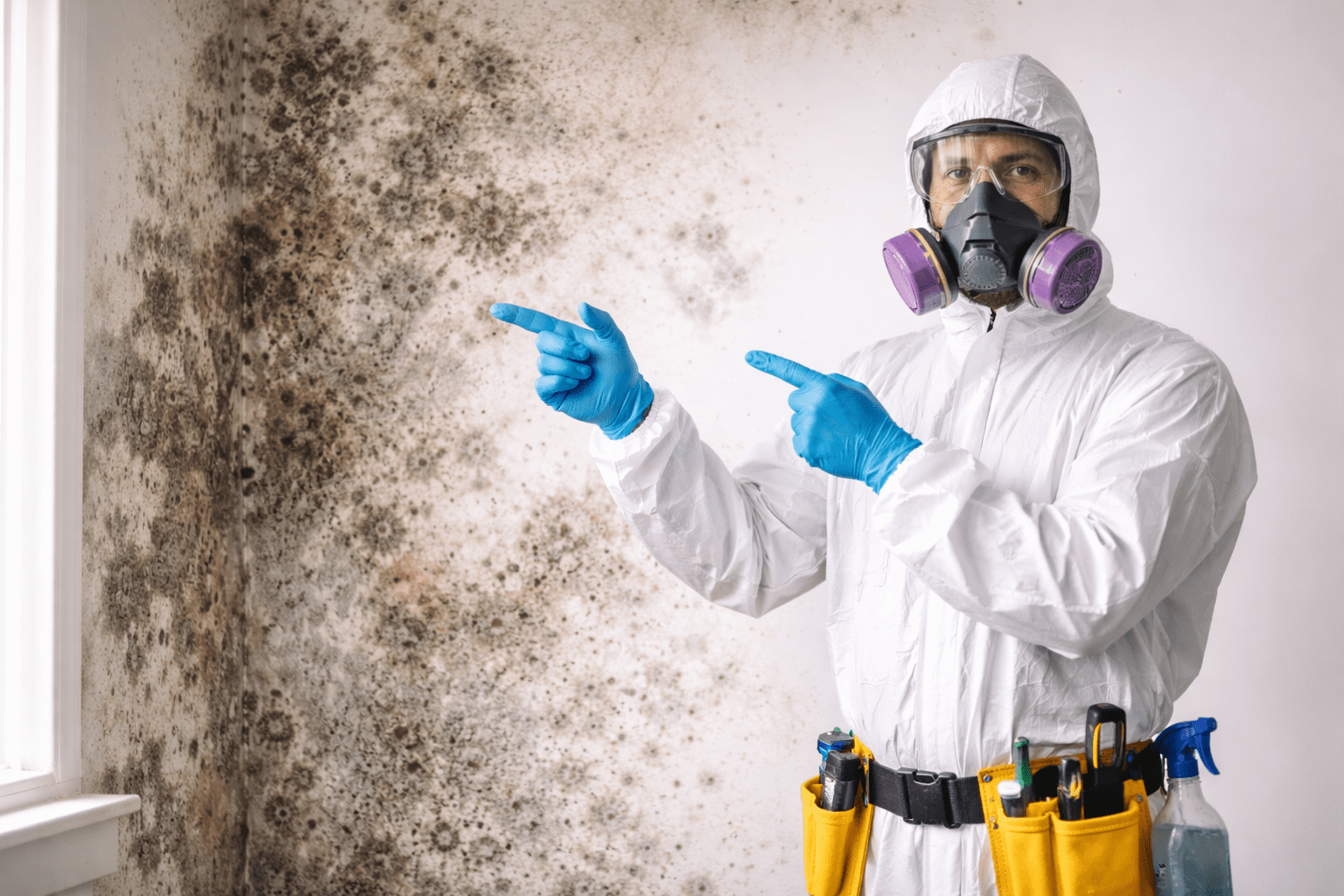
What Are the Best Mold Removal Tools? Exploring Options for Efficient Remediation
Mold removal is more than scrubbing a stain—effective remediation requires the right tools to find moisture, contain spores, remove contamination, and dry materials so mold doesn’t return. This guide explains the best mold removal tools (from HEPA vacuums and air scrubbers to moisture meters and containment supplies), how they work, and how to choose the right options for your home or project.
Quick Takeaway: The Best Tools Target Spores + Moisture
The most effective mold removal tools don’t just “clean what you see.” They help you locate moisture, prevent spore spread, physically remove contamination, and dry materials to stop regrowth. If you only scrub without containment and drying, mold often returns.
- Moisture meters help confirm what’s wet (and what’s drying)
- Containment supplies keep spores from spreading to clean areas
- HEPA vacuums and air scrubbers reduce spore load during cleanup
- Dehumidifiers + airflow are key to preventing recurrence
Why Tools Matter in Mold Removal
Mold removal is crucial for indoor air quality and health—especially for people with allergies, asthma, or respiratory sensitivity. Using the right tools makes remediation more effective because mold is a moisture-driven issue that often includes hidden contamination.
The best tools help you do four things reliably: (1) find moisture, (2) contain spores, (3) remove contamination, and (4) dry materials. Efficient remediation is a system—not a single product or gadget.
Tool mindset
Think “control + removal + drying.” If you can control spore spread and remove the moisture source, you dramatically reduce the chance of mold returning.
Why Mold Happens: Causes, Areas, and Health Risks
Mold infestation stems from moisture plus materials mold can feed on (paper, wood, dust) and time. It’s most common where dampness persists and ventilation is limited.
Common causes
- Plumbing leaks, roof leaks, window leaks
- Flooding and water intrusion
- High indoor humidity and condensation
- Poor ventilation in bathrooms, kitchens, basements
Why it matters for health
Mold spores and fragments can become airborne. Exposure may trigger allergy symptoms, worsen asthma, irritate eyes and skin, and contribute to respiratory discomfort—especially in sensitive individuals.
How to Choose Mold Removal Tools
Not every project needs every tool. Choose equipment based on four practical criteria: effectiveness, safety, accessibility, and value.
Effectiveness
Tools should help remove visible mold and reduce spore load while supporting long-term prevention. Look for equipment designed for remediation—not general household cleaning.
Safety
Prioritize PPE and HEPA-grade filtration. Tools should reduce exposure and prevent cross-contamination, not spread spores around the home.
Accessibility & value
Tools should be practical for your space (tight crawlspace vs open basement) and durable enough to justify the cost—especially for repeated seasonal humidity issues.
One common mistake
Using a regular vacuum on moldy dust can blow spores back into the air. HEPA filtration is a major upgrade for safety.
Best Mold Removal Tools (Essential Kit)
These are the core tools used in most effective remediation workflows. If you’re deciding where to start, prioritize safety gear and moisture control first.
1) Personal Protective Equipment (PPE)
Gloves, eye protection, and a well-fitting respirator (often N-95) reduce inhalation and skin contact. PPE is the foundation of safer cleanup.
2) Moisture meter + hygrometer
Moisture meters help identify damp building materials, while hygrometers track indoor humidity. These tools guide decisions and confirm whether drying is actually working.
3) Containment supplies
Plastic sheeting, painter’s tape, and zipper doors help isolate affected areas—reducing spore spread into clean parts of the home during work.
4) HEPA vacuum
A HEPA vacuum captures fine particles and helps remove dust and spores from surfaces after cleaning. It’s used during and after remediation to reduce residue.
5) Air scrubber / HEPA air purifier
HEPA air filtration units reduce airborne spores during remediation. Air scrubbers are often used in more intensive projects to improve containment performance.
6) Dehumidifier + air movers (fans)
Drying is critical to prevention. Dehumidifiers remove moisture from the air, and air movers help dry surfaces and materials faster—especially after leaks or flooding.
Optional (but useful) additions
Scrub brushes, scrapers, non-bleach cleaners or approved antimicrobial products (surface-appropriate), and heavy-duty trash bags for safe disposal of contaminated debris.
Advanced Tools & Technologies
Advanced methods can be useful for stubborn contamination, large spaces, or complex surfaces. These tools are most commonly used by trained professionals because misuse can create safety risks.
Dry ice blasting
Uses dry ice pellets to lift contamination from surfaces with minimal abrasion. Often used on framing or structural materials where deep cleaning is needed.
Thermal fogging
Disperses a fine mist that can penetrate porous areas. It’s typically used as a supplemental step after physical removal—not as a replacement for removing mold-damaged materials.
Ultrasonic cleaning systems
High-frequency vibration in cleaning solutions can help dislodge contaminants from intricate parts. This is more common for certain contents restoration situations.
Ozone generators (use with caution)
Ozone may reduce odors and react with some airborne contaminants, but it can be harmful to breathe. It should only be used in unoccupied spaces with strict safety protocols and is not a substitute for removal.
Important safety note
Advanced technologies can help, but they do not replace the essentials: containment, physical removal, and drying. If the moisture source remains, mold can return.
DIY vs Professional Equipment: What Changes?
DIY approaches can be appropriate for small, visible mold on non-porous surfaces—especially when the moisture source is fixed and the area can be dried quickly. However, professional remediation usually becomes the safer choice when:
- Mold is widespread, recurring, or across multiple rooms
- There is flooding, sewage backup, or significant water damage
- Mold is suspected behind walls, under flooring, or in HVAC systems
- Occupants have asthma, severe allergies, or immune suppression
- Porous materials (drywall, insulation, carpet padding) are significantly affected
“The line between DIY and professional work is usually moisture + scale. The bigger the moisture problem, the more important containment and industrial-grade drying become.” — Remediation Specialist
Safety Measures During Remediation
Safety is not optional in mold work. A safe job protects both the worker and the rest of the home. These measures support effective remediation and reduce exposure.
Ventilation & airflow control
Use ventilation carefully. In many cases, filtration and controlled airflow are better than simply blowing air, which can spread spores into other rooms.
Containment
Seal off the work area with plastic barriers and keep doors closed. This reduces cross-contamination during cleaning and removal.
Safe disposal
Bag contaminated debris, seal it, and remove it carefully so spores don’t spread through living spaces.
Efficient Remediation Workflow (Step-by-Step)
Efficient remediation follows a repeatable, systematic process. Tools matter most when they’re used in the right order.
-
Assessment & moisture investigation
Use a hygrometer and moisture meter to locate damp materials and confirm root causes like leaks, condensation, or humidity.
-
Set up containment
Isolate the affected area with plastic sheeting. Reduce traffic in and out of the work zone.
-
Filtration and dust control
Run HEPA air filtration during work when appropriate. Avoid regular vacuums or fans that can spread spores.
-
Physical removal and cleaning
Remove mold-damaged porous materials when necessary. Clean non-porous surfaces using appropriate methods and tools.
-
Drying and moisture correction
Use dehumidifiers and airflow to dry materials and maintain safe humidity. Fix the moisture source permanently.
-
Post-remediation check
Re-inspect, confirm dryness, and consider verification testing if documentation is needed or if occupants are sensitive.
Most reliable prevention step
Keep indoor humidity controlled and respond fast to leaks. Drying within the first 24–48 hours after water intrusion greatly reduces mold risk.
Environmental Considerations
Responsible remediation minimizes environmental harm while protecting indoor health. Eco-friendly approaches focus on low-toxicity products, careful containment, and proper waste disposal.
- Choose biodegradable or low-VOC products where appropriate
- Use containment to prevent spore spread into clean areas
- Dispose of contaminated materials according to local requirements
- Reduce water overuse to avoid re-wetting materials
- Use efficient drying equipment to reduce overall damage and waste
Future Trends in Mold Removal Technology
Mold remediation is becoming more precise and proactive. Emerging trends focus on earlier detection, better monitoring, and more targeted remediation.
Smarter detection
More sensitive sensors and imaging tools are improving early identification of moisture and hidden growth.
Automation & efficiency
Robotic and semi-automated systems may improve consistency in large or repetitive remediation environments.
Real-time monitoring
IoT humidity sensors and data-driven alerts help prevent mold by catching moisture problems early.
Frequently Asked Questions
Is a HEPA vacuum really necessary?
For mold-related cleanup, HEPA filtration is a major safety improvement because it captures finer particles. A standard vacuum can spread spores through exhaust airflow.
What tool helps prevent mold from returning?
A dehumidifier (plus ventilation and leak repair) is one of the most impactful “prevention tools” because mold requires moisture to grow.
When should I call a professional?
If mold is widespread, recurring, caused by flooding, suspected in HVAC or behind walls, or if occupants have significant respiratory sensitivity, professional remediation is often the safest option.
GET IN TOUCH
Not sure which tools your situation requires? If mold is recurring, widespread, or tied to hidden moisture, a professional inspection can identify the cause and recommend the right remediation approach.