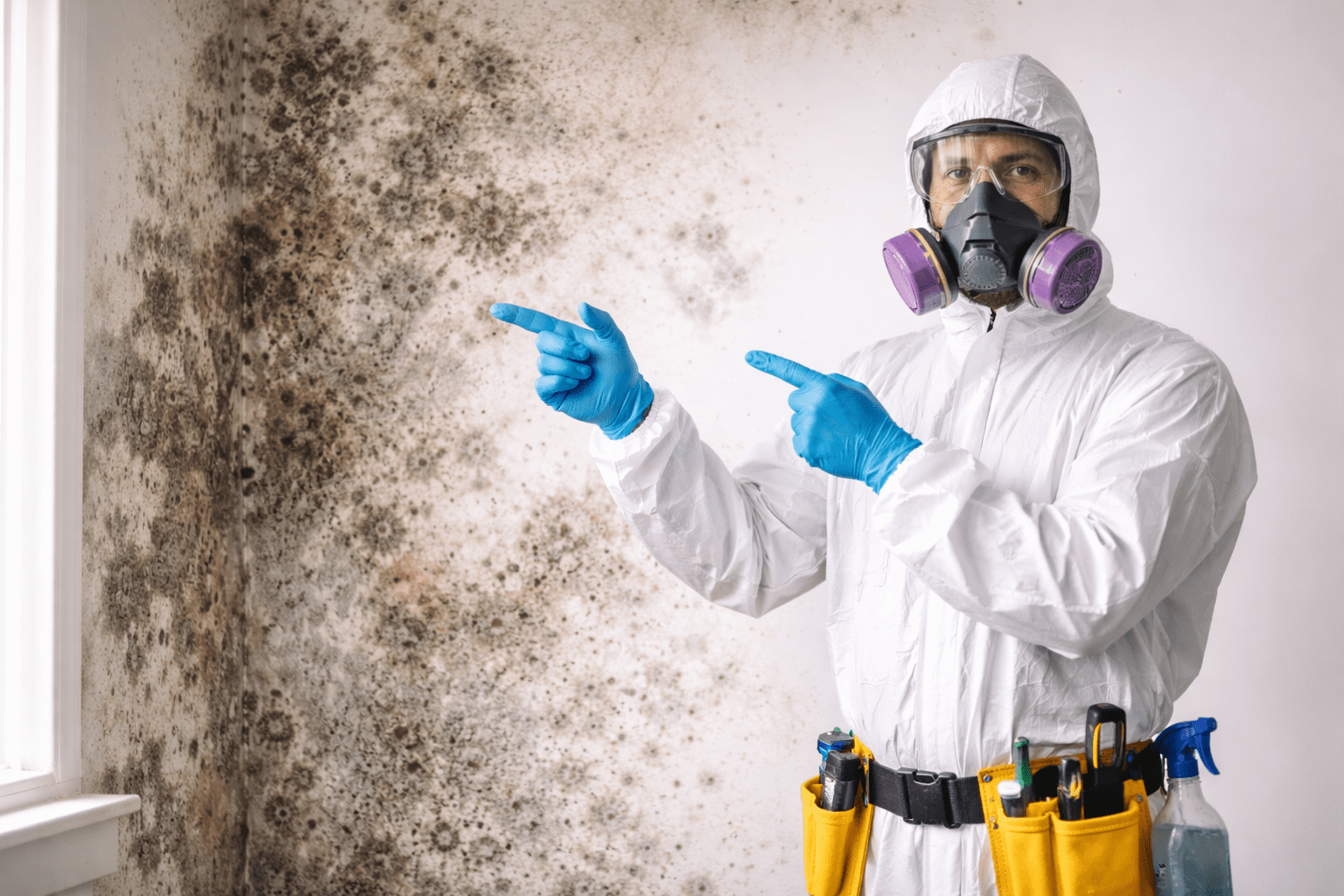
How to Mold Proof Your Home: Strategies, Tips, and Techniques
Mold-proofing isn’t one magic spray—it’s a system. When you control moisture, improve ventilation, and fix small issues early, you make your home a difficult place for mold to survive. This guide walks you through the most effective strategies, room-by-room tips, and practical techniques to prevent mold long-term—and what to do if you find it.
Quick Takeaway: Mold-Proofing = Moisture Control + Airflow + Fast Response
Mold spores exist everywhere. You can’t “remove mold from the planet,” but you can remove what mold needs: persistent moisture. Keep humidity controlled, vent wet air outside, and fix leaks quickly, and most mold problems never get started.
- Keep indoor humidity ideally between 30–50% (avoid consistently above ~60%)
- Dry water-damaged materials quickly (don’t let moisture linger)
- Vent bathrooms and kitchens to the outdoors
- Inspect high-risk areas regularly: bathrooms, basements, attics, under sinks
Where Mold Commonly Hides in Homes
Mold thrives where moisture and limited airflow meet. Some areas are consistently at higher risk because they experience steam, leaks, condensation, or damp air.
Bathrooms
Steam from showers, wet grout, and under-vented spaces make bathrooms a classic mold hotspot—especially around caulk lines, grout, and behind toilets or vanities.
Basements & crawlspaces
Cool surfaces + humid air can create condensation. Basements can stay damp for long periods after rain, plumbing drips, or groundwater intrusion.
Kitchens & laundry
Leaky supply lines, dishwasher seals, and sink cabinets can hold moisture quietly—often leading to hidden mold long before it becomes visible.
Attics
Poor ventilation, roof leaks, and warm air escaping from living spaces can cause condensation on roof decking and insulation—especially in colder seasons.
HVAC and vents
Condensation in ductwork, dirty drain pans, or damp filters can contribute to odor and spore movement. Clean systems + correct humidity reduce risk.
Early Warning Signs You Shouldn’t Ignore
Mold problems usually start small. Catching them early saves time, money, and stress.
- Musty odors that don’t go away (often a hidden moisture clue)
- Visible spotting (black/green/brown patches, fuzzy growth, or persistent discoloration)
- Water stains on ceilings/walls (even if “dry now”)
- Peeling paint, bubbling drywall, or warped baseboards
- Unexplained allergy flare-ups that seem worse indoors
Don’t mistake “dry today” for “problem solved”
If water entered a wall, floor, or ceiling, the materials inside can stay damp longer than you’d expect. Mold often follows moisture that lingers out of sight.
The Core Mold-Proof Strategy (Simple System)
Mold-proofing works best when you follow a repeatable system. Use this simple framework:
Ventilation: Your Moisture Escape Plan
Ventilation prevents mold by moving humid air out and bringing fresh air in. The goal is to stop damp air from settling into corners, closets, and cavities where moisture lingers.
Exhaust fans (bathrooms + kitchens)
Run bathroom fans during showers and for a period afterward. In kitchens, use range hoods when boiling, frying, or running the dishwasher. The key is exhausting moisture outside, not into an attic.
Attics + crawlspaces
These areas often need dedicated ventilation or encapsulation strategies depending on climate and design. Good airflow helps prevent condensation on roof decking and reduces damp insulation problems.
Quick upgrade idea
If your bathroom mirror stays foggy for a long time after showers, your ventilation is likely underperforming. Improving fan performance is one of the simplest mold-prevention wins.
Moisture Control: Leaks, Humidity, and Condensation
Moisture control is the foundation of mold-proofing. Focus on three main sources: leaks, humidity, and condensation.
Fix leaks quickly
Check under sinks, behind toilets, around tubs/showers, and near water heaters. Even slow drips can keep wood and drywall damp long enough for mold to start.
Use dehumidifiers
Basements and damp climates benefit most. Place a dehumidifier where air is stagnant and monitor the results with a hygrometer.
Stop condensation
Condensation forms when warm, humid air meets cold surfaces. Improve insulation, reduce indoor humidity, and maintain airflow near cold walls and windows.
Aim for indoor humidity levels that don’t stay high day after day. If humidity is frequently elevated, mold prevention becomes harder—so controlling moisture is the priority.
Cleaning & Maintenance Routines That Prevent Mold
Regular cleaning doesn’t just make a home look better—it removes the residues and damp buildup that mold likes. Focus on moisture-prone zones and “quiet corners” where air doesn’t move.
Choose the right cleaners
For everyday prevention, simple cleaners are fine. For small surface mold on non-porous materials, targeted mold cleaners or household options like vinegar/hydrogen peroxide can help. Always follow label instructions and avoid mixing chemicals.
Build a prevention routine
- Wipe shower walls and sills after use
- Keep grout lines clean and dry
- Don’t store damp towels or rugs in closed spaces
- Clean drip pans and replace HVAC filters as needed
Maintenance beats remediation
The cheapest mold removal is the one you never have to do. Small weekly routines prevent big surprise projects later.
Mold-Resistant Materials and Smart Upgrades
If you’re renovating or repairing water-damaged areas, mold-resistant materials can add a helpful layer of protection, especially in bathrooms, basements, and laundry rooms.
- Mold-resistant drywall in moisture-prone areas
- Mold-resistant paints/primers where humidity is common
- Non-porous flooring (tile, properly installed vinyl) over carpet in damp zones
- Better ventilation equipment (quiet, higher-capacity exhaust fans)
Best upgrade to prevent recurrence
Materials help, but the biggest upgrade is fixing the moisture cause—drainage, leaks, airflow, and humidity control.
If You Find Mold: Safe First Steps
Not all mold situations are the same. If you discover mold, start with a calm, safety-first approach:
- Identify the moisture source (leak, condensation, humidity) and stop it if possible
- Limit disturbance (scrubbing aggressively can spread spores)
- Ventilate the area and keep doors closed to reduce spread
- Use basic PPE (gloves, eye protection, and a mask/respirator when needed)
- Know when to call a pro (large areas, recurring mold, HVAC involvement, or health sensitivity)
When professional remediation is smart
If mold is widespread, keeps returning, is tied to a leak inside walls/ceilings, or anyone in the home has significant respiratory sensitivity, professional assessment reduces risk and improves outcomes.
Room-by-Room Mold-Proofing Checklist
Use this checklist to focus your efforts where mold most often starts.
Bathroom
- Run exhaust fan during and after showers
- Keep grout and caulk clean and intact
- Fix slow leaks at toilet, tub, vanity
- Dry damp mats and towels promptly
Basement / Crawlspace
- Use a dehumidifier and monitor humidity
- Improve drainage outside the foundation
- Keep storage off floors; avoid damp cardboard
- Watch for wall seepage after rain
Kitchen / Laundry
- Inspect under sinks and behind appliances
- Vent cooking moisture with a hood
- Don’t let wet spills linger near baseboards
- Keep washer hoses and connections in good shape
Attic
- Check for roof leaks and wet insulation
- Ensure vents aren’t blocked by insulation
- Seal major air leaks from living space below
- Watch for condensation on roof decking
Living areas / Bedrooms
- Keep furniture slightly off cold exterior walls if possible
- Maintain steady indoor humidity (avoid extremes)
- Address window condensation quickly
- Use air filtration if dust/mold sensitivity is a concern
Mold Allergies & Protecting Vulnerable People
Mold exposure affects people differently. Some notice mild irritation, while others—especially children, older adults, and people with asthma or allergies—may have stronger reactions.
Common symptoms
- Sneezing, congestion, watery eyes
- Coughing, wheezing, chest tightness
- Skin irritation in sensitive individuals
- Symptoms that worsen indoors or in specific rooms
How to reduce exposure
- Fix moisture sources and dry affected areas
- Use good ventilation and humidity control
- Clean carefully (avoid spreading spores)
- Consider professional help for recurring issues
If anyone has persistent or worsening symptoms, it’s wise to seek medical guidance and address potential indoor moisture issues promptly.
Frequently Asked Questions
What’s the single best way to prevent mold?
Control moisture. Fix leaks quickly, keep humidity managed, and ventilate moisture-producing areas. Mold struggles when surfaces don’t stay damp.
Do dehumidifiers really help?
Yes—especially in basements, damp climates, and homes with persistent humidity. Pair a dehumidifier with a hygrometer so you know you’re staying in a safe range.
When should I call a professional?
If mold is widespread, keeps returning, is tied to hidden leaks, involves HVAC systems, or if anyone in the home is medically sensitive, professional inspection and remediation are the safest approach.
Ready to Mold-Proof Your Home?
A mold-proof home starts with moisture control and smart habits. If you’re dealing with recurring dampness, hidden leaks, or you want clarity before it becomes a bigger issue, a professional inspection can identify the cause and the best next steps.