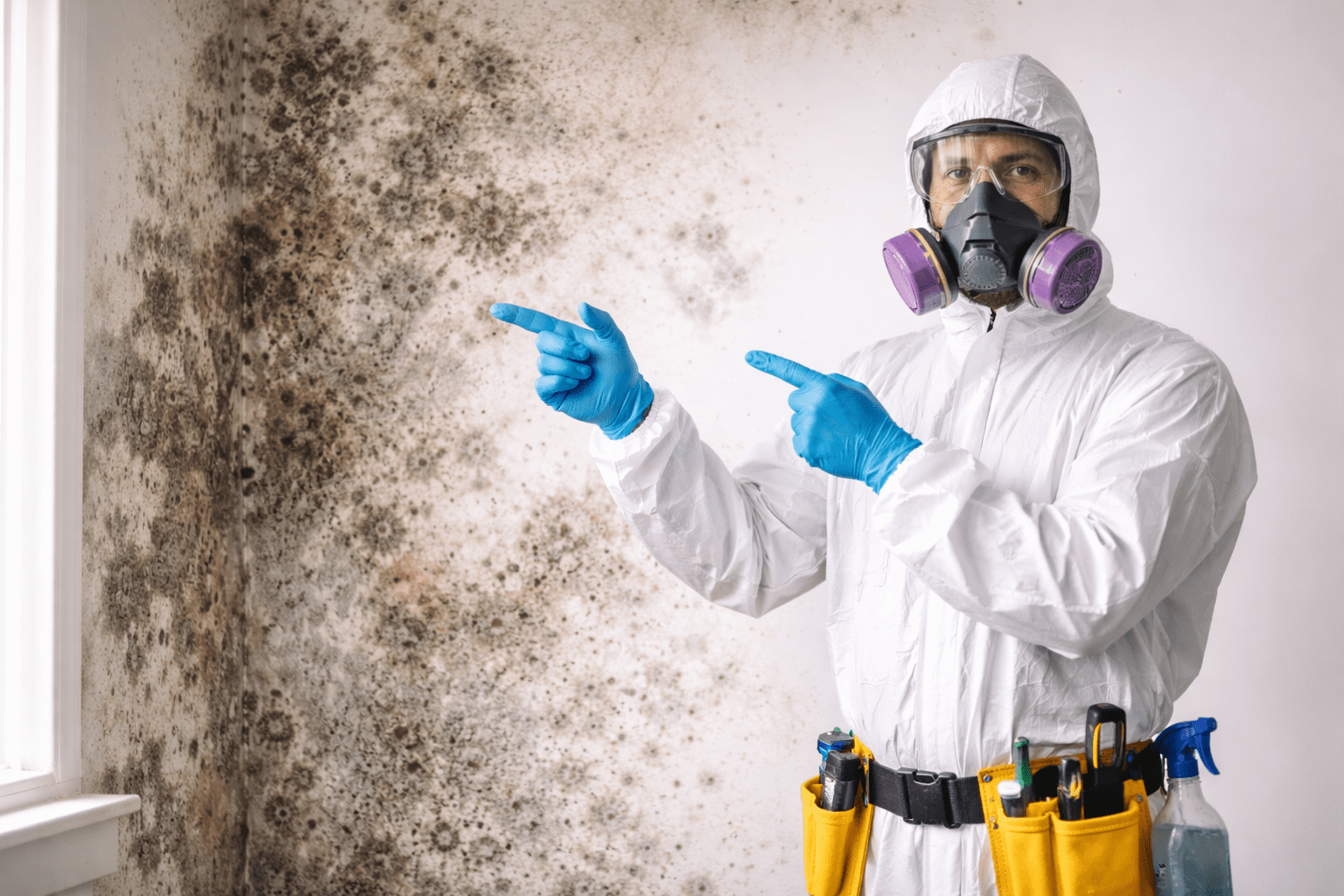
What to Do After a Water Leak: A Mold Prevention Checklist
Water leaks are one of the fastest paths to mold—especially when moisture gets trapped in drywall, carpet, insulation, or hidden cavities. The key is speed and thorough drying: the longer materials stay damp, the greater the chance mold takes hold. Use this practical checklist to stop the leak, remove water, dry the structure, clean safely, and prevent mold from returning.
Quick Takeaway: Your First 24 Hours Matter Most
A leak doesn’t automatically mean mold—but moisture that lingers does. Treat every water event like a race against trapped dampness: remove standing water, increase airflow, dehumidify, and verify dryness in hidden areas (walls, under flooring, and inside cabinets).
- Stop the source and protect electrical hazards first
- Remove standing water and start drying immediately
- Pull back wet items (rugs, furniture) so surfaces can dry
- Check for hidden moisture—mold often starts out of sight
First: Safety Checks (Before You Start)
Before you begin cleanup, make sure the environment is safe—especially if water is near outlets, ceiling fixtures, appliances, or your electrical panel.
Electricity
If water is near electrical outlets, light fixtures, or breaker panels, turn off power to the affected area. If you’re unsure, contact an electrician.
Slip hazards
Wet floors are dangerous. Wear shoes with good grip and keep pathways clear as you move furniture or wet items.
Air quality
If the leak involves sewage, floodwater, or a long-standing damp area with odor, consider professional help. Contaminated water needs special handling.
Important
If you see sagging ceilings, bulging drywall, or signs of structural instability, don’t disturb the area. A wet ceiling can collapse unexpectedly.
Step 1: Stop the Water Source Immediately
Your priority is to stop the leak so damage doesn’t continue. How you do that depends on the source:
- Burst pipe / plumbing leak: shut off the nearest valve or your main water supply
- Appliance leak: turn off the appliance and its water feed line
- Roof leak: use a temporary catch and protect the area until repairs are made
- Basement seepage: identify drainage issues and remove water fast
Quick actions that help
Move valuables away from the leak, place buckets or tarps to collect water, and document the damage with photos. This helps with planning repairs and any insurance steps.
Don’t wait for “later”
Moisture that continues to enter the structure increases the chance of hidden dampness behind walls and under floors. Stop the water first, then start drying.
Step 2: Remove Standing Water
Standing water keeps humidity high and soaks building materials. Remove it as soon as possible.
Tools that make a difference
A wet/dry vacuum is ideal for small-to-medium water events. For larger basement flooding, you may need a sump pump or professional extraction equipment.
- Extract water from floors, carpets, and low points
- Remove soaked rugs and padding so the subfloor can dry
- Blot water from hard surfaces and wipe down baseboards
Step 3: Dry Out the Area Thoroughly
Drying is the mold prevention step. Aim to lower humidity and dry wet materials—not just the surface you can see.
Airflow
Use fans to move air across wet surfaces. Point them toward walls, corners, and damp flooring where air is stagnant.
Dehumidification
Run dehumidifiers to pull moisture from the air (especially basements). Empty the tank often or use a drain hose.
Ventilation
Open windows when outdoor conditions allow. If outdoor air is humid, rely more on dehumidifiers and AC.
Porous materials like drywall, carpet, insulation, and wood can hold moisture deep inside. They may “feel dry” on the surface while still staying damp internally—so drying takes more than a few hours.
Step 5: Remove and Dispose of Wet/Contaminated Materials
If materials stayed wet too long or show visible mold, removal is often the safest option—especially with porous items that can’t be fully cleaned and dried.
Common materials that may need removal
- Carpet padding and soaked carpet sections
- Wet drywall (especially if it crumbles or stains spread)
- Insulation that has absorbed water
- Warped particle board, damaged baseboards, or swollen trim
Safe handling basics
Wear gloves and a mask, keep doors closed to reduce spread, and seal debris in heavy-duty bags. Removing wet, contaminated materials quickly helps reduce ongoing moisture and odor.
If the leak involved contaminated water (sewage, storm floodwater), materials often require specialized cleanup. In those cases, professional remediation is strongly recommended.
Step 6: Clean and Disinfect the Affected Area
Once wet materials are removed and drying is underway, clean and disinfect hard surfaces and remaining structural areas. Focus on areas that were wet, splashed, or exposed to humid air for prolonged periods.
- Clean non-porous surfaces with appropriate disinfectants or mold-targeted cleaners
- Scrub visible residues and wipe surfaces clean
- Dry again after cleaning (wet cleaning can reintroduce moisture)
Safety reminder
Use protective gear (gloves, eye protection, and a mask/respirator as needed). Never mix cleaning chemicals. If strong odors or irritation occur, improve ventilation and reassess your approach.
Step 7: Prevent Mold From Returning
Mold prevention doesn’t end when the floor looks dry. You need to remove the conditions that created the leak and reduce future moisture risk.
Repair the root cause
Fix roof issues, plumbing leaks, window seals, and drainage problems. Recurring moisture is the #1 reason mold returns.
Improve ventilation
Use bathroom and kitchen exhaust fans, vent appliances properly, and avoid trapping humid air in closed rooms.
Control humidity
Use dehumidifiers in basements and damp zones. Monitor humidity so it doesn’t stay elevated for long stretches.
Pro tip
After repairs, keep monitoring the area for several days: odor changes, new stains, or persistent dampness can signal hidden moisture that still needs attention.
When to Call a Professional
Some situations are best handled with professional equipment and containment methods—especially when the leak is large, contamination is involved, or the affected materials are inside wall/ceiling cavities.
- Standing water affected large areas or multiple rooms
- Water entered walls, ceilings, insulation, or HVAC systems
- Musty odor persists after drying efforts
- Visible mold appears or returns after cleaning
- Anyone in the home is highly sensitive (asthma, allergies, immune compromise)
Need Clarity After a Leak?
A professional inspection can confirm whether materials are truly dry, identify hidden moisture pockets, and prevent a small leak from becoming a recurring mold problem.
Frequently Asked Questions
How fast can mold start after a leak?
Mold risk increases quickly when materials stay damp. The safest approach is to start drying immediately and verify that hidden areas are drying too—not just visible surfaces.
What’s the biggest mistake after a water leak?
Only drying what you can see. Moisture behind walls, under floors, and in cabinets often drives mold later. Always check hidden areas and keep drying until readings/conditions normalize.
Should I replace carpet after a leak?
It depends on how long it was wet, how deeply water penetrated, and whether the source was clean water or contaminated. Carpet padding often holds moisture and is commonly replaced to reduce mold risk.