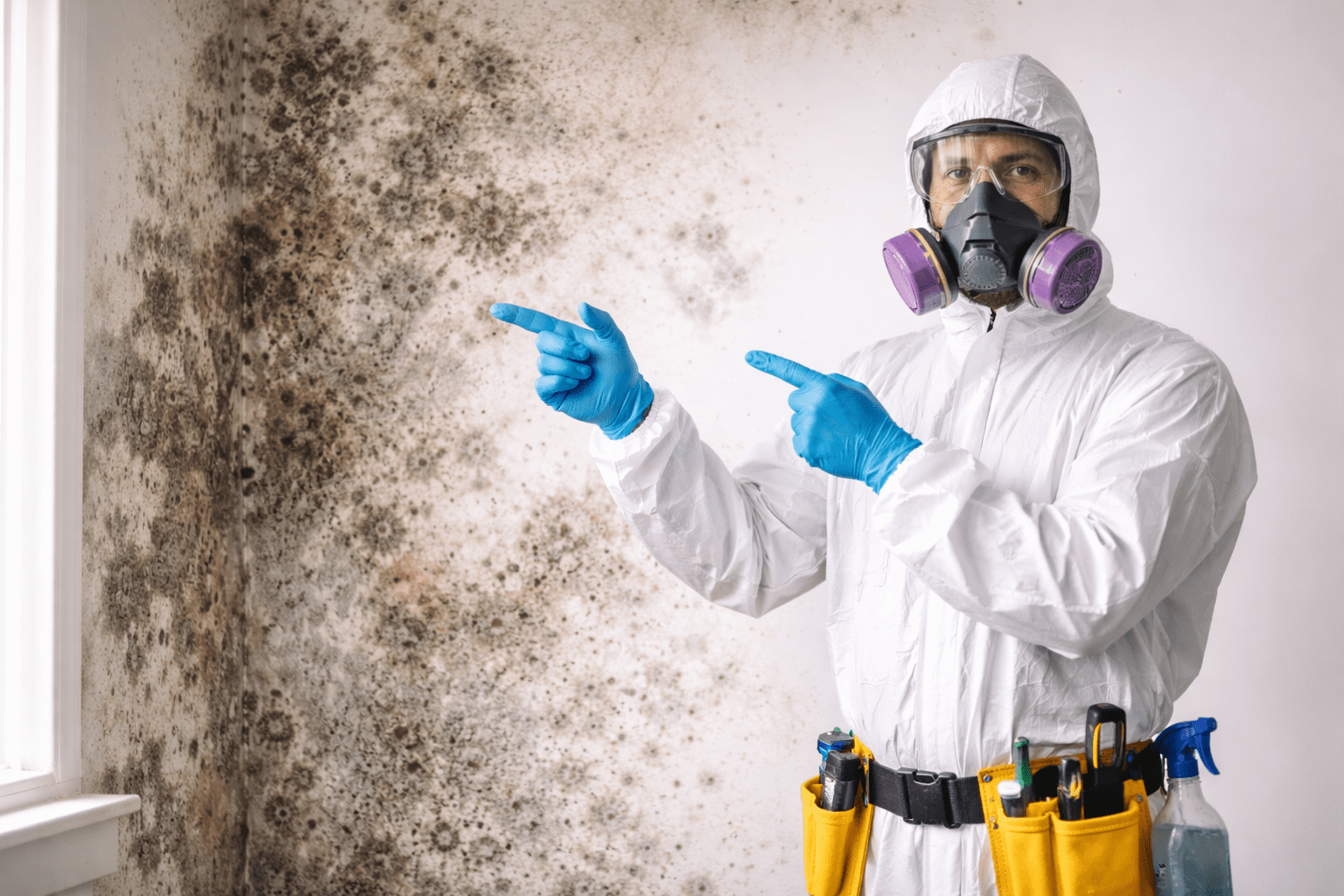
How to Get a Free Mold Inspection with Mold-Heal: Your First Line of Defense Against Household Mold
If you’re noticing musty odors, allergy flare-ups, or past water damage, a professional mold inspection can help you understand what’s happening—before small moisture issues turn into expensive repairs. This guide explains what a “free mold inspection” typically includes, how to schedule one with Mold-Heal, and how to use the results to protect your home and your health.
Quick Takeaway: Dry Time Matters
After leaks or water damage, the clock starts fast. In many cases, if wet or damp materials are dried within 24–48 hours, mold growth can often be prevented. Waiting longer increases risk—especially in hidden cavities like drywall, insulation, and flooring assemblies.
- Act fast after leaks, overflows, or storms
- Musty odor can signal hidden growth
- Moisture mapping can identify “wet but not visible” areas
- Inspection helps you target the source—not just clean the symptom
Why a Mold Inspection Is Your First Line of Defense
Mold problems usually start the same way: moisture shows up (a leak, condensation, humidity, or flooding), and mold spores already present in the environment take advantage of it. The real risk is that mold often grows out of sight— behind drywall, under flooring, inside insulation, and around HVAC components—while you only notice symptoms later.
Why timing matters
Most mold prevention is really moisture control. EPA training guidance notes that, in many cases, mold will not grow if wet items are dried within 24–48 hours. That’s why inspections after leaks are so valuable: they help confirm what’s damp, what’s drying properly, and what may need targeted action.
A good inspection aims to answer three practical questions:
- Where is the moisture coming from? (leak, condensation, drainage, humidity)
- Where has moisture traveled? (adjacent rooms, subfloor, wall cavities, ductwork)
- What is the safest, most cost-effective plan? (drying, cleaning, removal, repairs)
Who Should Book a Mold Inspection
You don’t need to “see black mold” to justify an inspection. Many homeowners book one because something feels off— odor, humidity, recurring allergies, or repeated water issues.
After leaks or water damage
Roof leaks, plumbing leaks, appliance failures, or basement seepage can leave moisture trapped where you can’t see it.
When you smell musty odors
A persistent musty smell often points to hidden growth—especially in basements, crawlspaces, and behind cabinets.
When health symptoms flare indoors
Damp indoor environments are associated with respiratory symptoms, especially for people with asthma or allergies.
Health note: CDC/NIOSH guidance highlights associations between damp indoor spaces and asthma symptoms. If multiple household members feel worse indoors, it’s worth investigating the building environment—not just treating symptoms.
What a “Free Mold Inspection” Usually Includes
“Free inspection” can mean different things depending on the company and the situation. In general, it typically focuses on identifying visible risk factors and moisture conditions, then providing a clear recommendation for next steps.
Important: testing is not the same as inspection
Mold tests can be useful in certain situations, but they don’t replace fixing moisture problems. The most reliable path is: find moisture → correct it → remove/clean impacted materials → verify conditions are dry.
How to Get a Free Mold Inspection with Mold-Heal
Booking is simple. The goal is to get you from “I’m worried” to a clear plan—fast.
-
Call Mold-Heal
Tap to call: +1 (833) 642-3180. Share what you’re noticing (odor, stains, recent leaks, humidity issues).
-
Describe your situation (2 minutes)
Mention where you suspect mold (bathroom, basement, attic, HVAC) and any recent water events. If you’ve had a leak in the last few days, emphasize the timeline—drying speed matters.
-
Pick a convenient time window
Choose a time when someone can provide access to the areas of concern (bathrooms, closets, under-sink cabinets, attic hatch).
-
Get next steps in plain language
After the assessment, you’ll receive clear recommendations: what to dry, what to clean, what to remove, and how to prevent return.
What Happens During the Inspection
A proper inspection is organized and methodical. It focuses on moisture pathways and where mold is most likely to grow.
1) Visual walk-through
Inspectors look for staining, bubbling paint, warped materials, musty odor zones, and ventilation gaps—especially around bathrooms, basements, windows, and exterior walls.
2) Moisture mapping
Moisture readings help confirm whether materials are still damp. This matters because mold risk persists as long as moisture persists.
High-risk areas
Basements, crawlspaces, attics, behind sinks, around HVAC air handlers, and any room with repeated condensation.
HVAC considerations
Condensation and dirty coils/drain pans can contribute to moisture. Air movement can also transport spores through the home.
Clear action plan
You’ll learn what’s urgent (active wet materials), what’s moderate (humidity/ventilation), and what’s preventative.
How to Prepare Your Home (So the Inspection Is Faster and More Accurate)
- Don’t paint over or “cover up” stains before the visit—visibility helps.
- Clear access to problem areas (under sinks, closets on exterior walls, attic hatch, basement corners).
- List recent events: leaks, overflows, storms, HVAC issues, humidifier use, condensation problems.
- Note symptom patterns: “worse at night,” “only in basement,” “after rain,” “after AC runs.”
- Keep pets secure and set aside a few photos if you’ve seen visible growth previously.
Helpful tip
If you had a leak within the last 48 hours, focus on drying immediately while you schedule. EPA guidance emphasizes that drying within 24–48 hours can often prevent mold growth—especially for carpets and damp materials.
What to Do After You Get the Findings
The best outcome of an inspection is clarity: what’s happening, why it’s happening, and what fixes it long-term. Use the findings to make decisions based on risk—not guesswork.
If it’s a moisture issue (most common)
- Fix the source first (leak, drainage, condensation)
- Dry materials thoroughly
- Improve airflow and ventilation
- Monitor humidity (aim ~30–50% when possible)
If mold is confirmed
- Containment matters—avoid dry-scrubbing that spreads spores
- Porous materials may require removal if heavily impacted
- HEPA filtration and careful cleaning reduce airborne particles
- Plan prevention steps so it doesn’t return
“If you remove the mold but don’t remove the moisture, you haven’t solved the problem—you’ve only reset the clock.” — Field Remediation Lead
Prevention Checklist (So Mold Doesn’t Come Back)
Mold prevention is simple in concept: keep things dry. The challenge is consistency. These steps cover the most common household triggers.
- Repair leaks quickly (roof, plumbing, windows)
- Use bathroom/kitchen exhaust fans and vent dryers outdoors
- Run a dehumidifier in damp basements/crawlspaces
- Keep gutters and downspouts draining away from the foundation
- Insulate cold surfaces to reduce condensation in winter
- Service HVAC coils/drain pans; keep filters clean
- After any water event, dry affected areas ASAP (target 24–48 hours)
When to re-check
If a space had significant water exposure, re-check moisture levels after drying efforts. Hidden dampness behind baseboards, under flooring, and inside wall cavities is a common reason mold returns.
Frequently Asked Questions
Is a free mold inspection the same as mold testing?
Not always. Inspections typically focus on moisture sources, visible conditions, and risk areas. Testing (air/surface samples) may be optional when documentation is needed or when hidden mold is suspected without visible evidence.
How fast can mold grow after a leak?
Growth risk increases quickly. EPA training guidance notes that, in many cases, mold may be prevented if wet materials are dried within 24–48 hours. That’s why rapid drying and early inspection are so important.
Can mold affect health even if I don’t see it?
Yes. Mold can grow behind walls, under floors, and in HVAC areas. CDC/NIOSH guidance notes associations between damp indoor spaces and asthma symptoms, and many people report irritation and allergy flare-ups in damp environments.
When should I hire a professional remediation team?
If mold covers a large area, keeps returning, affects HVAC systems, or if household members have respiratory conditions, professional containment and HEPA-based cleanup is usually the safer option.
For public guidance on moisture control and mold prevention, review resources from EPA and CDC/NIOSH.
Get in Touch
If you suspect mold—or you’ve had a leak, humidity issues, or persistent musty odors—don’t guess. A complimentary inspection can help you identify the moisture source and the safest next steps.