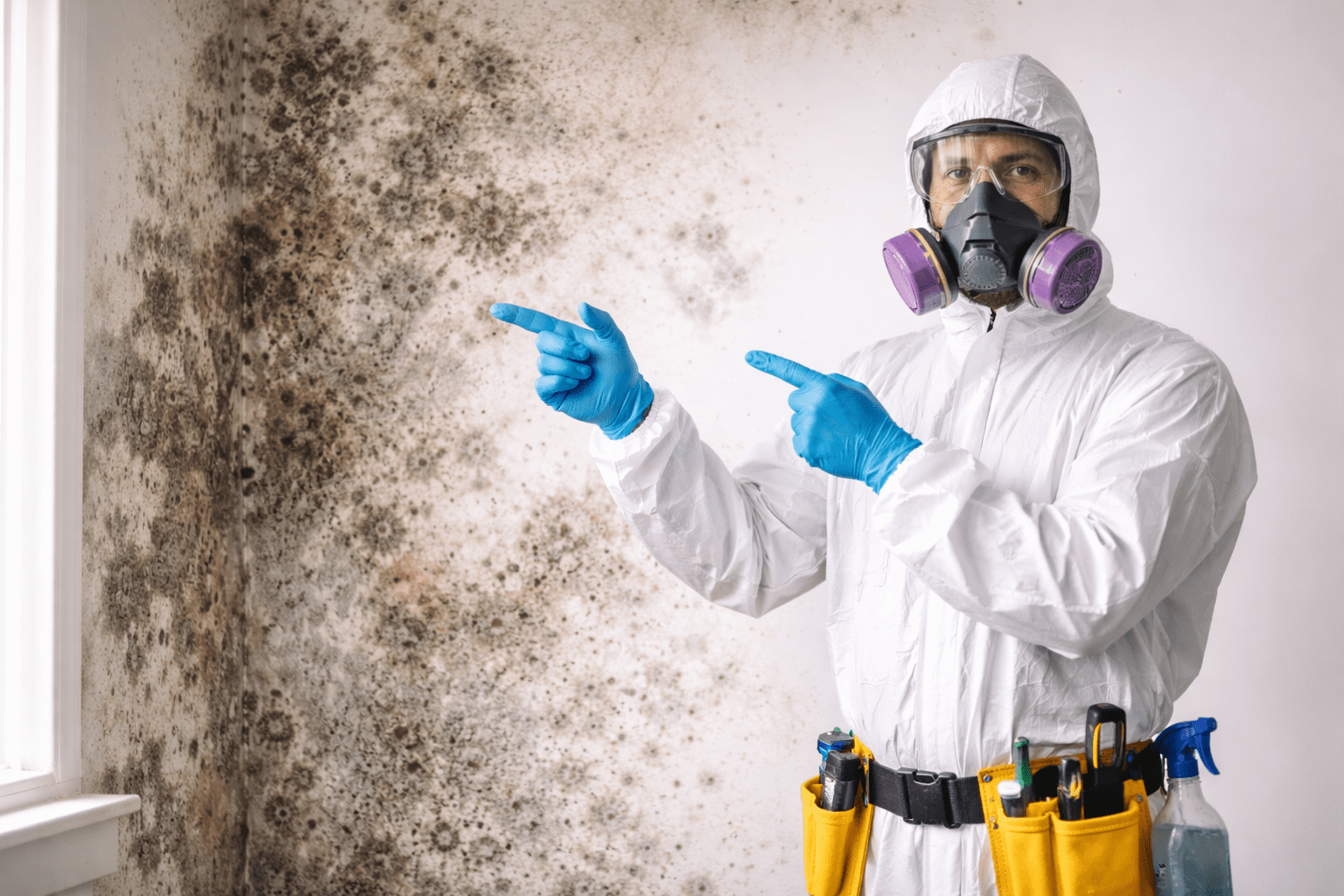
Sustainable Mold Removal Methods: Eco-Friendly Ways to Eliminate Mold From Your Home
Mold is a moisture problem first—and the most sustainable mold removal plan focuses on stopping moisture, removing contamination safely, and preventing regrowth without relying on harsh chemicals. This guide covers eco-friendly cleaners, safer work practices, and long-term prevention strategies you can actually maintain.
Quick Takeaway: “Green” Mold Removal = Moisture Control + Safe Physical Removal
The most eco-friendly approach isn’t stronger chemicals—it’s a smarter process: stop the water, remove mold physically, contain and clean safely, and keep humidity under control. If moisture remains, mold returns—no matter what you spray.
- Fix leaks and dry materials quickly (the biggest sustainability win)
- Use low-tox cleaners when appropriate (especially on non-porous surfaces)
- Reduce spore spread with containment and HEPA cleanup
- Prevent regrowth with ventilation + humidity management
What “Sustainable Mold Removal” Really Means
Sustainable mold removal is about protecting health and reducing unnecessary chemical exposure, repeat repairs, and wasted materials. The most eco-friendly mold strategy is the one that prevents mold from coming back—because repeated cleanups, repeated repainting, and repeated replacements create more waste and cost more over time.
Key principle
Mold is a moisture-driven problem. The “greenest” remediation is the one that corrects moisture and prevents regrowth, so you don’t have to keep cleaning or rebuilding the same area.
A sustainable plan uses the lowest-toxicity solution that’s appropriate for the surface, paired with the right process: containment (to prevent spreading spores), physical removal (scrubbing/wiping/HEPA capture), and drying (to stop regrowth).
When DIY Is Safe vs When to Call a Pro
Not all mold situations are equal. Eco-friendly remediation still needs to be safe and effective. A good rule: small, surface-level mold on hard, non-porous surfaces is often DIY-friendly—if you can correct the moisture source.
DIY is usually reasonable when…
- The affected area is small and clearly visible
- It’s on tile, sealed counters, glass, or metal
- You can ventilate the area and wear basic PPE
- The moisture source is fixed (or clearly temporary)
Call a professional when…
- Mold keeps returning despite cleaning
- You suspect mold behind walls, under flooring, or in HVAC
- There was a flood, sewage backup, or long-term leak
- People in the home have asthma, severe allergies, or are immunocompromised
Important
“Eco-friendly” should never mean “underpowered.” If mold is inside porous materials or hidden cavities, the right fix may involve controlled removal and replacement—done safely to minimize spread.
Safer, Low-Waste Safety Setup
Sustainable cleanup starts with protecting your lungs and preventing spores from spreading. You can do that without excessive waste by using smart containment and reusable tools where appropriate.
PPE (basic)
Gloves + eye protection + a well-fitted respirator (N95 or better) reduce exposure when disturbing mold.
Ventilation
Open windows when possible and use a fan to exhaust air outdoors (avoid blowing spores through the home).
Containment
Close doors, cover vents, and use simple plastic sheeting in bigger DIY jobs to reduce cross-contamination.
Tip: If you’re cleaning in a bathroom, run the exhaust fan and keep the door mostly closed to prevent spores from drifting into bedrooms and living areas.
Eco-Friendly Cleaning Options (What Works and Where)
The best cleaner depends on the surface and the type of contamination. Many “natural” options work well on non-porous surfaces (tile, glass, sealed metal). Porous materials (drywall, insulation, carpet padding) often require removal if mold has grown into the material.
Soap + water
Great first step for many surfaces. Physical removal (scrubbing/wiping) is often more important than the chemical itself.
White vinegar (undiluted)
Often used on non-porous surfaces. Strong odor but typically low residue. Avoid on natural stone unless you confirm compatibility.
Hydrogen peroxide (3%)
Useful on many hard surfaces. Test in a small area first for discoloration, especially on fabrics.
“Safer” commercial options
Look for low-odor, low-VOC products and third-party “safer chemistry” labels when available. Choose products intended for mold cleanup—not just fragrance masking.
Avoid common pitfalls
Mixing cleaners (especially with bleach or ammonia) can create dangerous fumes. Sustainable cleanup is also safe cleanup: follow labels and keep it simple.
Step-by-Step: Eco-Friendly Mold Cleanup (DIY-Friendly Areas)
Use this process for small-to-moderate surface mold on non-porous or semi-porous materials where the underlying structure is not water-damaged. If materials are soft, crumbling, or repeatedly wet, skip to the section on porous materials.
-
1) Fix the moisture source first
Stop the leak, improve ventilation, or reduce humidity. Cleaning without moisture control is temporary.
-
2) Set up ventilation and simple containment
Open a window if available. Use a fan to push air outside. Close interior doors and cover nearby items you don’t want contaminated.
-
3) Wear PPE
Gloves, eye protection, and an N95 (or better) respirator reduce exposure during scrubbing and wiping.
-
4) Use a low-tox cleaner and physically remove mold
Apply your chosen solution (soap + water, vinegar, or peroxide as appropriate). Scrub gently but thoroughly. Wipe away residue with clean cloths/paper towels.
-
5) Rinse (if needed) and dry completely
For many surfaces, a clean-water wipe helps remove residue. Then dry the area thoroughly—fans and dehumidifiers help.
-
6) HEPA-clean the area
If you have access to a HEPA vacuum, use it on surrounding floors and surfaces after cleaning to capture loosened spores.
-
7) Monitor for return
If odor or spotting returns, the source may be hidden moisture behind the surface. That’s a strong reason to schedule an inspection.
Best sustainable habit
Dry time is everything. The faster you dry the area and keep humidity controlled, the less likely you’ll ever need to clean it again.
Porous Materials: Repair, Replace, or Restore?
Sustainability can include replacing materials—when replacement prevents chronic mold and repeated chemical use. Porous materials can hold moisture and mold growth deep inside. If mold is “in” the material, surface cleaning won’t fully solve it.
Drywall
If drywall is soft, swelling, or repeatedly wet, controlled removal is often the correct fix. Consider mold-resistant drywall on rebuild.
Carpet & padding
Surface cleaning may not reach padding. If water intrusion was significant or long-lasting, replacement can be the healthier option.
Wood framing
Can often be cleaned if structurally sound and dried quickly, but requires careful moisture control and thorough HEPA cleanup.
Important
If materials were wet for more than a couple of days, or if there was contamination (sewage), professional guidance is strongly recommended.
HEPA, Ventilation, and Humidity Control
Sustainable mold removal isn’t only about what you wipe on the wall. It’s about controlling the environment so spores can’t keep growing.
HEPA: capture what you disturb
HEPA filtration and HEPA vacuuming reduce lingering spores after cleaning. This is especially useful in bedrooms, basements, and areas where people are sensitive.
Humidity: keep it consistently lower
Many homes benefit from keeping indoor humidity in the 30–50% range when feasible. Use a hygrometer to measure—then manage.
If you only run a dehumidifier “sometimes,” humidity may still spike enough to support regrowth. Consistency matters more than intensity.
Responsible Disposal and Cleanup
Sustainability includes handling waste carefully so mold doesn’t spread and so you don’t have to redo the job.
- Bag contaminated debris in heavy-duty plastic before moving it through the home
- Clean tools after use (soap + water for many tools; follow product guidance)
- Wash clothing used during cleanup separately when possible
- Replace filters (HVAC/portable purifiers) if they were exposed during major cleanup
Low-waste tip
Use washable microfiber cloths for general cleaning steps (when appropriate) and reserve disposables for heavily contaminated wiping. Always prioritize not spreading spores over minimizing waste.
Long-Term Prevention (The Most Sustainable Part)
Preventing mold is the most eco-friendly strategy: fewer repairs, fewer chemicals, better indoor air quality, and fewer health risks.
Fix leaks fast
Roof leaks, plumbing drips, and window seepage create hidden mold. Early repair prevents bigger demolition later.
Vent moisture
Use bathroom and kitchen exhaust fans and vent them outdoors. Venting prevents moisture buildup that fuels mold.
Measure humidity
A simple hygrometer helps you catch high-humidity patterns early—especially in basements, laundry rooms, and bedrooms.
Bottom line
Sustainable mold removal is a cycle: remove safely + dry completely + control humidity + prevent water intrusion. That’s how you eliminate mold without constantly fighting it.
Frequently Asked Questions
Is vinegar “better” than bleach for mold?
Vinegar is commonly used as a lower-tox option on non-porous surfaces. The bigger issue is the surface type: porous materials often need removal if mold has grown into them. And no cleaner replaces moisture control.
Can I use essential oils to remove mold?
Some people use them, but reliability varies and they can cause irritation for sensitive individuals. For predictable results, prioritize physical removal, drying, and humidity control—then choose low-tox cleaners suited to the surface.
What’s the most sustainable way to prevent mold from coming back?
Fix the moisture source, keep humidity controlled, and ensure wet areas are ventilated. Prevention reduces repeated cleanup, repeated chemical use, and repeated material replacement.
When should I stop DIY and get an inspection?
If mold returns quickly, if you suspect hidden mold, if there was major water damage, or if anyone in the home is high-risk (asthma, severe allergies, immune conditions), professional assessment is the safer choice.
Want a Safer, Long-Term Solution?
If you’re dealing with recurring mold, musty odors, or moisture problems that won’t quit, a professional inspection can help identify the real source and prevent repeated cleanup cycles. Sustainable mold removal works best when you solve the moisture issue.