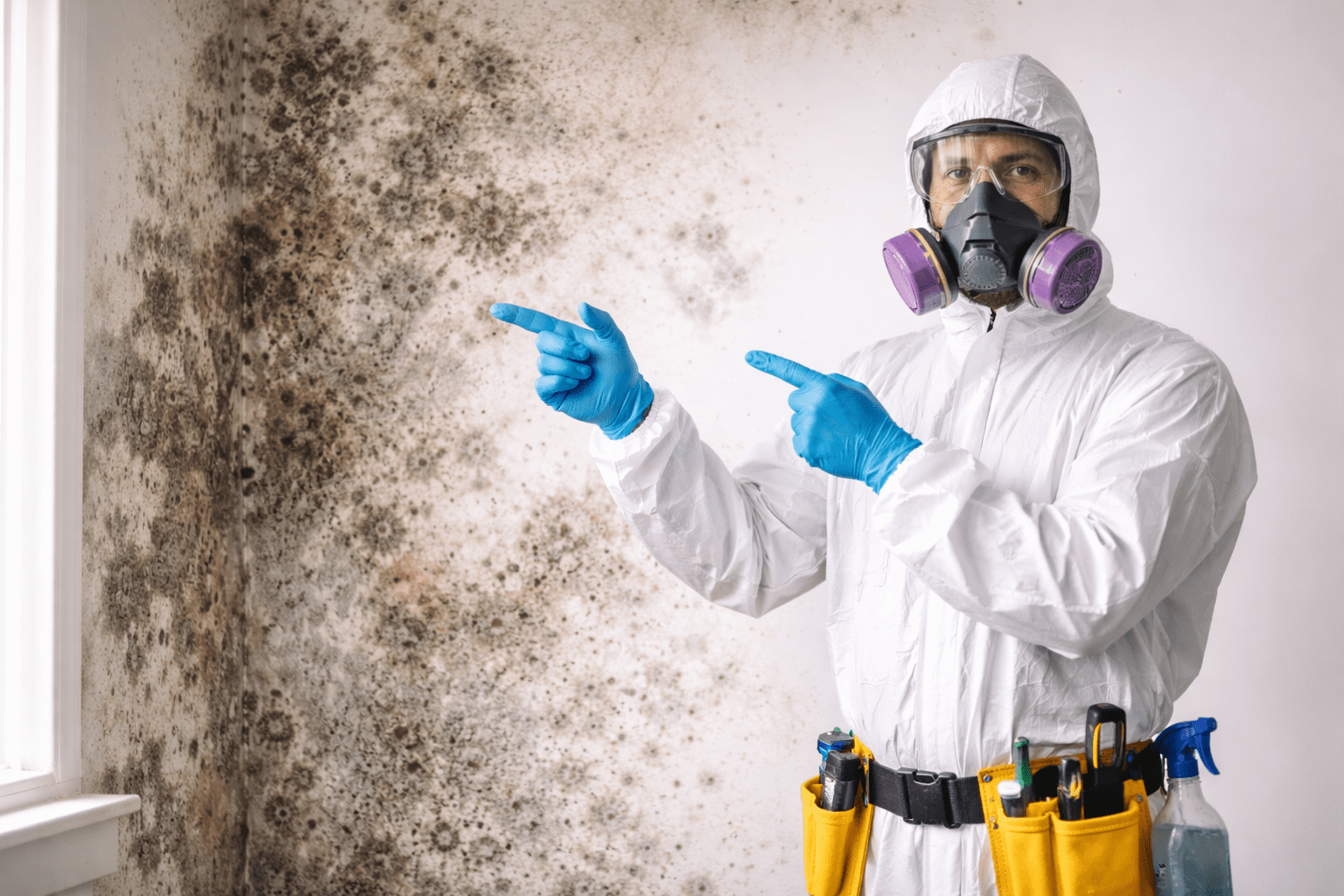
How to Protect Your Family from Mold-Related Health Issues
Mold exposure can affect respiratory health, allergies, and overall wellness—especially for the young, the elderly, or those with sensitive airways. This guide provides practical, research-supported steps you can take to reduce exposure, strengthen health defenses, and create a safer indoor environment for everyone in your home.
Quick Takeaway: Mold Is More Than Unsightly
Mold spores can trigger irritation, allergies, asthma flare-ups, and chronic respiratory symptoms. Families with children, older adults, or sensitive immune systems benefit most from proactive prevention—moisture control, proper ventilation, and early detection.
- Control humidity (30–50%) indoors
- Fix moisture sources promptly
- Ventilate bathrooms, kitchens, and laundry
- Inspect after leaks or flooding
Health Risks Linked to Mold Exposure
Mold spores are microscopic particles released into the air when mold is present in a damp or poorly ventilated indoor environment. When inhaled, these spores can irritate the respiratory tract and trigger symptoms in sensitive individuals. While mold exposure doesn’t affect everyone the same way, irritant responses and allergic inflammation are well-documented concerns.
Important
The risks increase when mold exposure is prolonged or when sensitive groups (young children, the elderly, individuals with asthma or allergies) are involved. Persistent damp conditions make mold growth more likely, and continuous exposure amplifies symptoms.
Who Is Most Vulnerable?
While anyone can have a response to mold exposure, some individuals are more susceptible to adverse health effects:
- Children: developing lungs and immune systems
- Elderly adults: weaker immune responses
- People with asthma or allergies: heightened sensitivity
- Individuals with compromised immune systems
CDC notes that people with chronic respiratory conditions may experience worsened symptoms when exposed to damp indoor environments, especially if mold growth is present.
Common Signs & Symptoms to Watch For
Symptoms related to mold exposure can be subtle or vary based on sensitivity, duration, and concentration of spores. Watch for:
- Coughing, wheezing, or difficulty breathing
- Nasal congestion, sneezing, or runny nose
- Itchy, red, or watery eyes
- Skin irritation or rashes
- Headaches or fatigue (often worsened indoors)
Insight
Not all respiratory symptoms are caused by mold—but if symptoms consistently worsen at home and improve when away, indoor air quality should be evaluated.
Preventive Strategies for Families
The core of mold prevention is moisture control. Without excess moisture, mold spores remain dormant and cannot grow into colonies.
- Fix leaks promptly (roof, plumbing, windows)
- Run exhaust fans in bathrooms and kitchens
- Use dehumidifiers in damp areas (basements, crawlspaces)
- Keep indoor humidity in the range of 30–50%
Helpful tip
A simple hygrometer (humidity gauge) can help you monitor moisture trends and signal when drying or ventilation is needed.
Improving Indoor Air Quality
Controlling moisture is the first step, but improving air circulation and filtration also reduces overall spore concentrations. Here’s how:
- Change HVAC filters regularly
- Use portable air purifiers with HEPA filters in frequently occupied rooms
- Vent appliances (dryers, range hoods) to the outdoors
- Open windows when weather permits to increase fresh airflow
Studies show that improved ventilation can reduce indoor pollutant concentrations, including biological contaminants like mold spores.
What to Do If You Suspect Mold
If you notice musty odors, visible growth, or symptoms that flare when you’re at home, follow these practical steps:
-
Inspect high-risk locations
Check bathrooms, basements, laundry areas, and around windows for damp patches, discoloration, or peeling paint.
-
Control moisture immediately
Address leaks and dry wet materials within 24–48 hours when possible.
-
Consider professional evaluation
For persistent humidity issues or hidden problems, a professional mold inspection can identify concealed moisture paths and recommend corrective steps.
When to get help
If symptoms persist despite moisture control and cleaning, a professional inspection and air quality assessment can help clarify whether mold or other indoor air issues are contributing.
Daily Habits That Support Respiratory Health
While environmental control is primary, lifestyle habits help support your family’s resilience:
- Stay active and encourage outdoor play when weather permits
- Maintain hydration and balanced nutrition
- Practice regular cleaning routines in damp spaces
- Reduce stress and ensure quality sleep (good sleep supports immune function)
These are healthy lifestyle strategies recommended by preventive health professionals—nothing replaces moisture control in the home, but strong baseline wellness supports better respiratory outcomes overall.
Frequently Asked Questions
Can mold exposure cause serious disease?
In most healthy adults, mold exposure causes irritation or allergy-like symptoms. Severe disease is rare in otherwise healthy people, but people with chronic respiratory conditions or weakened immune systems may experience more significant effects.
Is mold in the air always harmful?
Mold spores are everywhere in the environment. It’s the combination of moisture and spore proliferation that increases indoor concentrations and risk. Controlling moisture helps reduce airborne levels.
How quickly can mold grow after water exposure?
Studies suggest that mold can begin to grow in moist conditions within 24–48 hours if water isn’t dried and ventilation isn’t improved, which is why prompt response is important.
Should children avoid the home if mold is found?
If visible mold or dampness is extensive, temporarily relocating sensitive individuals until moisture issues are corrected and remediation is underway may help reduce symptom exposure.
Concerned About Mold-Related Health Risks?
A comprehensive mold inspection can help you understand hidden moisture issues, assess indoor air risks, and plan corrective action—giving your family a clearer path to safer, healthier air.