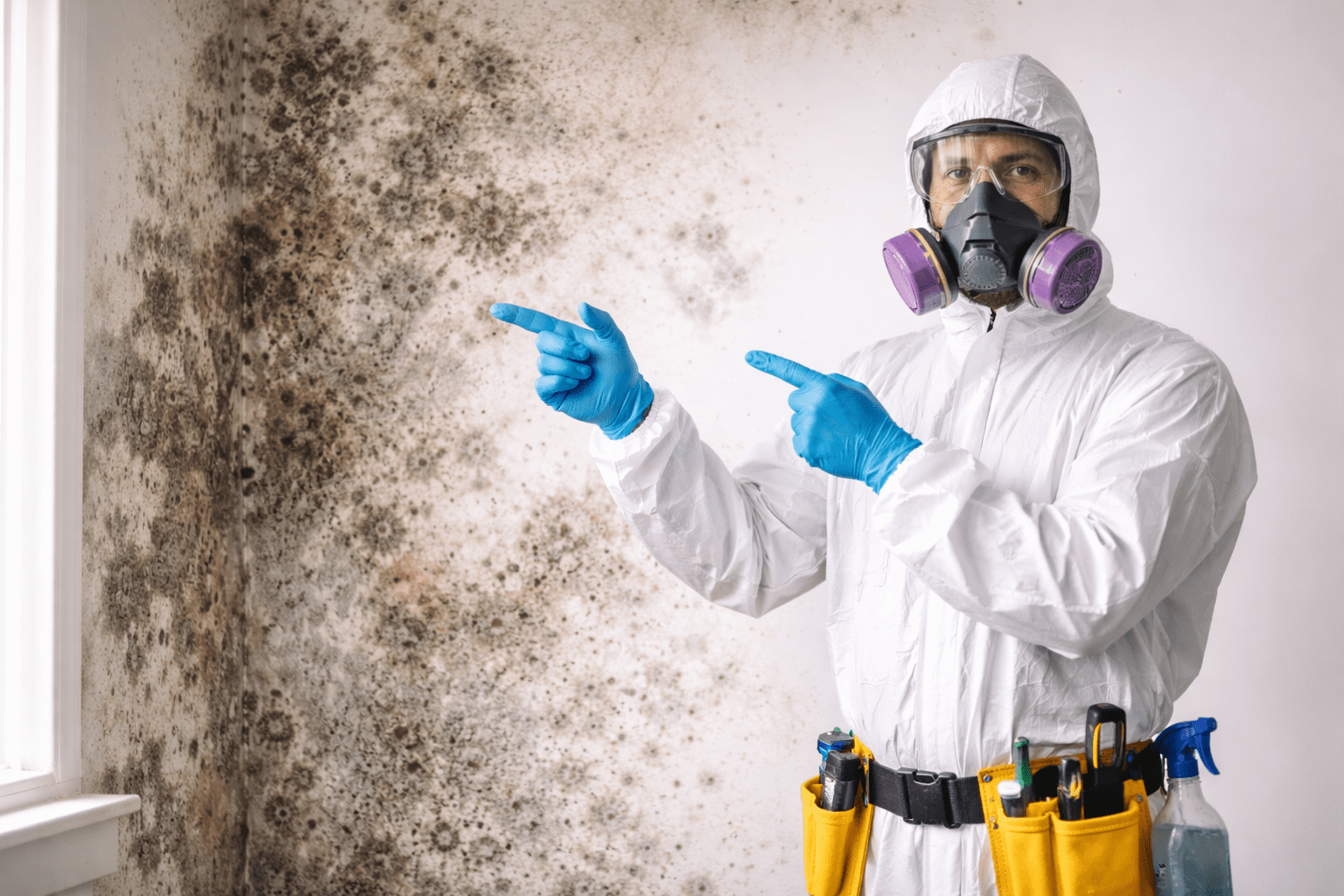
Mastering Mold: Effective Techniques for Mold Cleaning
Mold is more than an eyesore—it can lower indoor air quality, irritate the respiratory system, and damage building materials. This practical tutorial explains how to identify mold early, clean it safely, choose the right technique for each surface, and prevent mold from returning.
Quick Takeaway: Clean Mold Safely—Then Fix Moisture
Mold cleaning works when you do two things: remove contamination without spreading spores, and correct the moisture conditions that allowed mold to grow in the first place.
- Protect your lungs and eyes—PPE matters
- Contain the area to limit spore spread
- Use the right method for the surface type
- Dry thoroughly to stop regrowth
Why Mold Cleaning Matters
Mold isn’t just unsightly. When it grows indoors, it can release particles into the air that irritate the nose, throat, and lungs—especially for people with allergies, asthma, or sensitivities. Mold can also weaken materials over time, contributing to staining, odors, peeling paint, and deterioration of drywall, wood, or insulation.
Effective mold cleaning improves indoor comfort and reduces the chance of a small issue becoming a costly remediation job later. The key is to clean safely and eliminate moisture so mold doesn’t return.
Two-part success formula
Mold cleaning is successful when you remove contamination and correct the moisture source. If moisture remains, mold often returns—even after “good cleaning.”
What Mold Is and Why It Grows
Mold is a type of fungus that spreads through microscopic spores. Indoors, spores settle on surfaces and begin growing when conditions are right—especially in damp, poorly ventilated areas like bathrooms, basements, kitchens, and around windows.
Common indoor mold conditions
- High humidity (often above ~60%)
- Leaks or water intrusion
- Condensation on cold surfaces
- Poor airflow in closed spaces
Why it matters
Mold can trigger allergic responses and respiratory irritation. It can also damage materials. Understanding the “why” helps you stop recurrence—not just clean symptoms.
How to Spot Mold Early
Detecting mold early is one of the easiest ways to reduce risk and cost. Mold may appear as discoloration, fuzzy patches, speckling, or staining. But the most reliable early signal is often smell and moisture.
- Musty or earthy odors that persist, especially after the home is closed up
- Visible spots on grout, caulk, drywall, ceilings, or around windows
- Moisture signs like condensation, damp drywall, bubbling paint, or warped materials
- Health clues such as allergy-like symptoms that improve when away from home
Hidden mold is common
If you smell mold but can’t see it, investigate moisture sources: under sinks, behind toilets, around tubs, behind furniture on exterior walls, and near HVAC condensate lines.
Do You Need Mold Testing?
Testing can be useful when you need documentation, when symptoms are present but mold isn’t visible, or when you want confirmation after cleanup. Home test kits exist, but professional assessment is often more reliable because it pairs testing with moisture investigation and building context.
Air sampling
Helps estimate airborne spore levels, especially in sensitive situations.
Surface swabs
Confirms if a suspicious spot contains mold and guides targeted cleaning.
Bulk samples
Used for material testing when mold may be embedded in porous surfaces.
How to Prepare for Mold Cleaning (Safety First)
Before cleaning, plan to protect yourself and prevent spore spread. Mold cleaning can release spores into the air—especially with dry brushing, aggressive scrubbing, or disturbed materials.
Wear protective gear
- Gloves and eye protection
- N-95 respirator (or better for larger jobs)
- Long sleeves; disposable coveralls for bigger areas
Prep the space
- Ventilate if possible (open windows, exhaust fans)
- Isolate the area (close doors; plastic sheeting for larger jobs)
- Remove or cover nearby items to prevent contamination
Safety rule
Never mix cleaning chemicals. Mixing products (especially bleach with other cleaners) can create hazardous fumes.
Effective Cleaning Methods (Choose Based on Severity)
The best mold-cleaning technique depends on two things: the surface type (porous vs non-porous) and how deeply the mold has penetrated. Surface growth on tile is very different from mold in drywall.
-
Surface cleaning (light, non-porous)
Best for tile, sealed countertops, glass, and metal. Use an appropriate cleaner, scrub gently, wipe away residue, and dry completely.
-
Deep cleaning (porous or textured)
For wood, grout, unfinished surfaces, and some drywall situations. Scrub with detergent solution, use HEPA vacuuming if available, and focus on drying and moisture correction.
-
Material removal (when mold is embedded)
If mold has penetrated porous materials extensively (soft drywall, soaked insulation, crumbling wood), removal and replacement may be the safest path—especially if the area is large or recurring.
What “thorough” looks like
Thorough cleaning means: remove visible growth, clean surrounding surfaces, capture debris safely, and eliminate moisture so spores don’t re-seed the same area.
Surface-by-Surface Mold Cleaning Guide
Different materials require tailored techniques to avoid damage while ensuring effective mold removal. Use the right approach for each surface below.
Tile, glass, sealed surfaces
Use a suitable cleaner, scrub with a soft brush, wipe clean, and dry fully. These surfaces are often the easiest to restore.
Grout & caulk
Grout is porous and can hold moisture. Scrub carefully, rinse residue, and dry. If caulk stays moldy or brittle, replacement may be needed.
Drywall & ceilings
Light surface spotting may be cleanable, but soft drywall, swelling, or recurring stains can indicate hidden moisture—consider professional assessment.
Wood (unfinished/porous)
Clean gently with appropriate solutions, avoid soaking, and dry thoroughly. Porous wood may require more than one cleaning cycle.
Fabrics & upholstery
Dry quickly, consider steam cleaning where appropriate, and ensure items are fully dried before reuse. Some items may need professional textile cleaning.
Carpets & flooring
Mold in carpet padding often requires removal. For minor surface concerns, deep clean and dry fast. If odors persist, investigate subfloor moisture.
Avoid this mistake
Don’t “blast dry” visible mold with fans aimed directly at the growth. That can spread spores. Clean first (with containment if needed), then dry strategically.
How to Prevent Mold From Returning
Prevention works when you address root causes. Mold regrowth usually means moisture remained (humidity, leak, condensation, or ventilation issues).
- Keep humidity controlled (often 30–50% is ideal for many homes)
- Use exhaust fans in bathrooms and kitchens (and let them run after use)
- Fix leaks promptly and dry water damage quickly
- Improve airflow: don’t block vents; avoid trapping damp air behind furniture
- Maintain HVAC drain lines and replace filters regularly
- Inspect basements/crawlspaces seasonally for dampness
Best prevention habit
Treat moisture as an “alarm.” Any recurring condensation, damp smell, or water stain should trigger investigation. Catching moisture early prevents mold later.
When to Call a Professional
There’s a clear line between small, manageable mold cleaning and situations that require trained remediation. If mold is widespread, keeps coming back, or is tied to flooding or structural moisture, professional help protects your health and reduces the risk of incomplete removal.
Signs you should call a pro
- Large areas of mold or multiple rooms affected
- Strong musty odor with no visible source
- Mold after flooding or sewage backup
- HVAC/duct involvement
- Health symptoms worsening at home
What pros typically provide
- Containment planning to prevent cross-contamination
- Specialized filtration and cleanup tools
- Moisture detection to find hidden sources
- Post-remediation checks and prevention guidance
Frequently Asked Questions
Can I clean mold myself?
Small, surface-level mold on non-porous surfaces may be manageable with proper protection and drying. Recurring, widespread, or hidden mold often requires professional remediation.
Why does mold keep coming back?
Mold regrowth almost always indicates ongoing moisture—humidity, leaks, condensation, or poor ventilation. Fixing moisture is essential for lasting results.
What is the most important step after cleaning?
Drying and moisture control. If the area stays damp, mold can return quickly even after thorough cleaning.
GET IN TOUCH
Want a safer, healthier home? If you suspect hidden mold, recurring moisture, or you’re unsure how severe the problem is, a professional inspection can identify the source and the safest next step.