Preventing Mold in Your Attic: Maintenance Tips for Homeowners
Attics are one of the most common—and most overlooked—areas for mold growth. This guide explains why attic mold develops, how it affects your health and home, and the practical maintenance steps homeowners can take to keep attics dry, ventilated, and mold-free year-round.
Quick Takeaway: Attic Mold Starts With Moisture
Mold doesn’t appear in attics by accident. It follows moisture caused by leaks, condensation, poor ventilation, or insulation problems. Preventing mold means managing moisture before it has a chance to settle.
- Warm air rising + cold roof = condensation
- Ventilation keeps attics dry
- Small roof leaks can cause big mold problems
- Routine inspections prevent costly damage
Why Attics Are Prone to Mold Growth
Attics sit at the intersection of indoor living space and outdoor weather conditions. This makes them especially vulnerable to temperature swings, moisture buildup, and airflow problems.
During colder months, warm air from living areas below naturally rises into the attic. When that warm, moisture-laden air meets a cold roof surface, condensation can form. Combined with wood framing, insulation, and dust, this moisture creates ideal conditions for mold.
Common attic moisture sources
Roof leaks, poor insulation, blocked vents, bathroom fans venting into the attic, and HVAC condensation lines are frequent contributors to attic mold.
Why Regular Attic Inspections Matter
Routine inspections are one of the simplest and most effective ways to prevent attic mold. Checking your attic twice a year—typically in spring and fall—can reveal early warning signs before mold becomes widespread.
- Visible mold or dark staining on rafters or sheathing
- Water stains or damp insulation
- Musty or earthy odors
- Signs of roof leaks or condensation
Act quickly
Even small wet spots should be addressed immediately. Delaying repairs allows mold to spread across wood framing and insulation.
The Role of Proper Attic Ventilation
Ventilation is critical to preventing moisture buildup in attics. Without sufficient airflow, warm, humid air becomes trapped and condenses on cooler surfaces.
Soffit & eave vents
Allow cool air to enter the attic and promote continuous airflow.
Ridge or roof vents
Release warm, moist air from the highest point of the attic.
Powered attic fans
Can improve airflow when passive ventilation isn’t sufficient.
Ventilation tip
Make sure insulation does not block vents. Obstructed airflow is a common cause of attic condensation and mold.
Controlling Humidity in the Attic
High humidity fuels mold growth. Keeping moisture levels in check significantly reduces the likelihood of attic mold.
- Keep indoor humidity generally between 30–50%
- Ensure bathroom and kitchen exhaust fans vent outdoors
- Use dehumidifiers in homes with persistent moisture issues
- Check basements and crawl spaces that can feed moisture upward
Whole-home approach
Attic humidity often reflects moisture problems elsewhere in the home. Controlling indoor humidity protects the entire structure.
Preventing Roof Leaks Before Mold Starts
Roof leaks are a leading cause of attic mold. Even minor leaks can introduce enough moisture to support mold growth over time.
- Inspect shingles, flashing, and roof penetrations regularly
- Keep gutters clean to prevent water backup
- Repair damaged shingles or flashing promptly
- Investigate ceiling stains immediately
Small leaks add up
A slow drip over months can saturate insulation and framing, creating widespread mold before visible signs appear.
Insulation & Condensation Control
Proper insulation helps prevent warm air from escaping living spaces and condensing on cold attic surfaces.
Insulation benefits
- Reduces temperature differences
- Limits condensation formation
- Improves energy efficiency
What to watch for
- Compressed or wet insulation
- Gaps around attic hatches
- Insulation blocking ventilation paths
Using Mold-Resistant Materials
Mold-resistant drywall, insulation, and coatings provide added protection in moisture-prone spaces like attics.
While these materials don’t eliminate the need for moisture control, they help reduce the likelihood of mold taking hold during humid conditions or minor moisture events.
Pests and Attic Mold: An Overlooked Connection
Rodents and insects can damage insulation, create openings for moisture, and leave behind organic material that supports mold growth.
- Seal gaps and entry points
- Remove nests and droppings promptly
- Repair insulation damaged by pests
When to Call a Professional
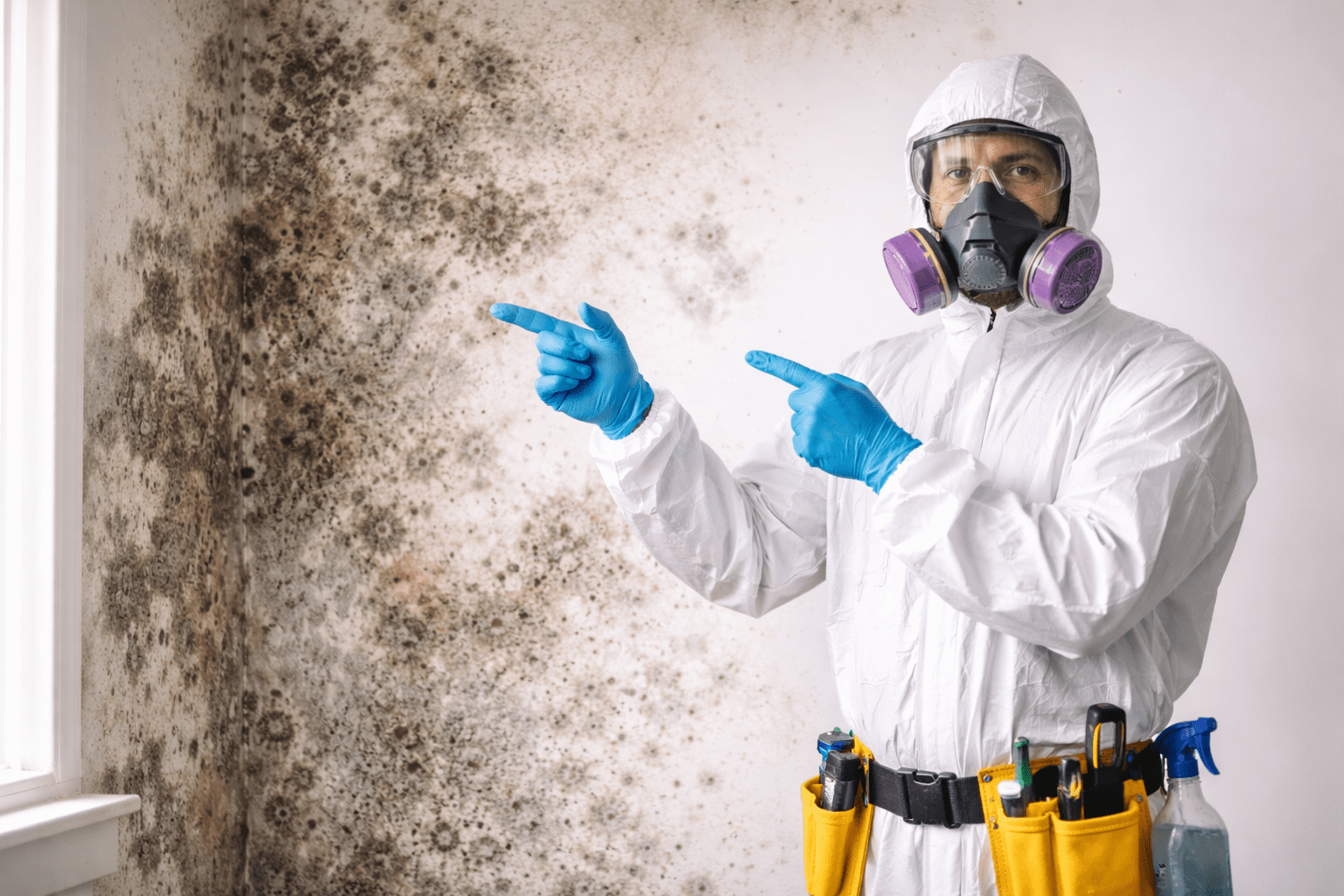
If you suspect mold has already developed in your attic, professional inspection and remediation can help ensure safe, thorough removal.
Seek expert help if:
Mold covers large areas, keeps returning, follows roof leaks or storms, or if household members experience unexplained respiratory symptoms.
Frequently Asked Questions
How often should I inspect my attic?
At least twice a year, and after major storms or roof repairs.
Can attic mold affect indoor air quality?
Yes. Mold spores can circulate through the home, especially via HVAC systems.
Is attic mold always visible?
No. Mold often grows on roof decking or insulation where it’s not easily seen.
GET IN TOUCH
Protect Your Home from Mold Today. If you’re concerned about attic moisture, ventilation issues, or possible mold growth, a professional inspection can help you identify risks early and keep your home safe.