
Mold-Heal Services: Inspection, Testing, Remediation & Restoration
Mold problems usually start with moisture—leaks, humidity, condensation, flooding, or ventilation issues that keep materials damp. Mold-Heal helps you identify the source, confirm affected areas, and choose the safest next step: mold inspection, mold testing, air quality testing, mold removal, full remediation, moisture control, and restoration support after water or fire damage.
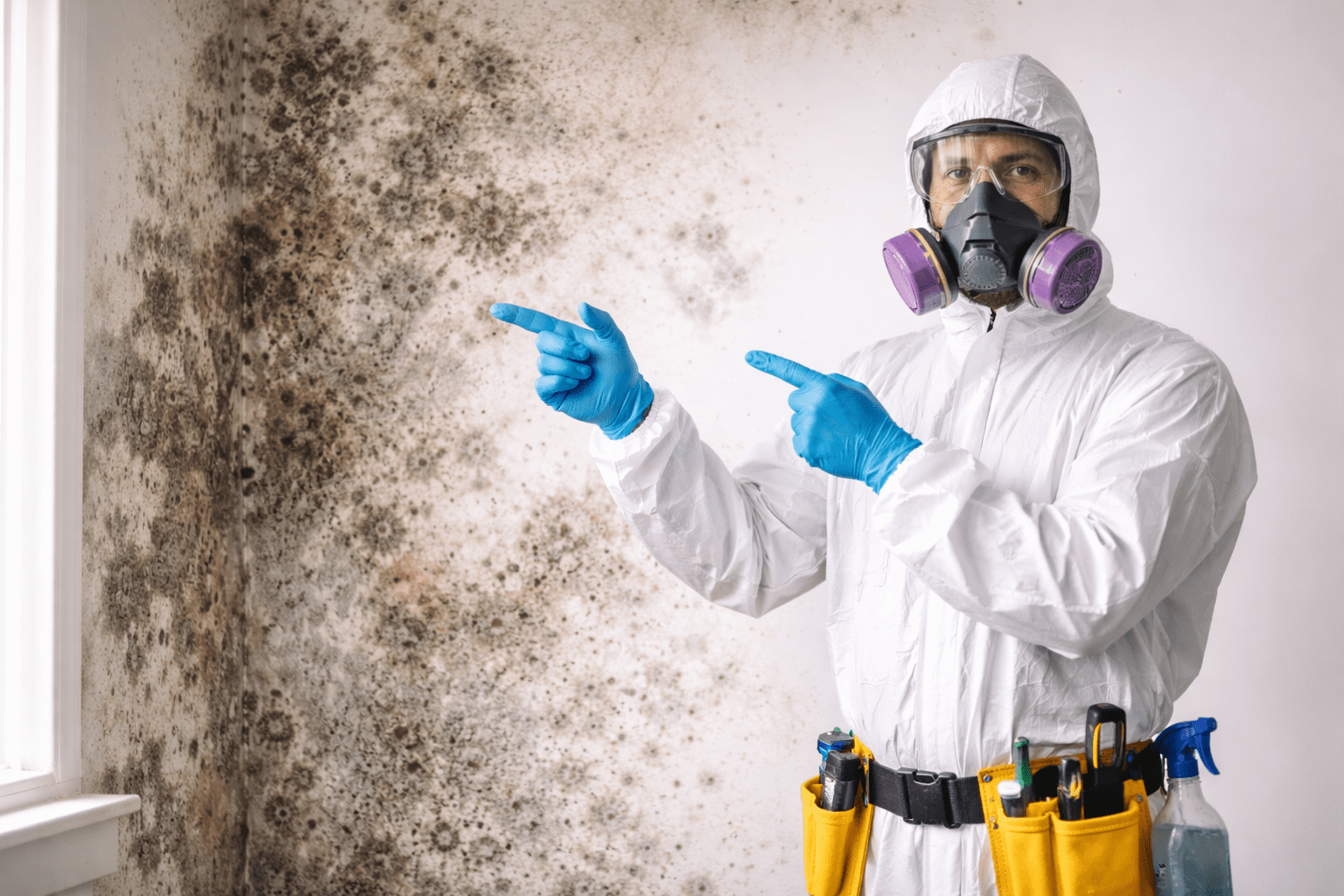
Quick Takeaway: Solve Moisture First
Surface cleaning alone often fails because mold returns when moisture remains. The most effective plan usually follows: find moisture → confirm scope → remove safely → dry + prevent.
- Mold can begin growing within 24–48 hours after water exposure
- Hidden growth (behind walls/under floors) is more common than most homeowners think
- HVAC condensation can contribute to repeated mold concerns
- Long-term prevention depends on humidity control + leak repair
Mold Inspection, Testing & Remediation Services Near You
Mold growth is usually driven by moisture — leaks, humidity, condensation, or water damage. Mold-Heal helps you identify the source, confirm affected areas, and choose the safest next step. From mold inspection and testing to professional mold removal, remediation, and full restoration support (including fire damage and water damage), we provide clear guidance and service planning to help protect your property and indoor air quality.
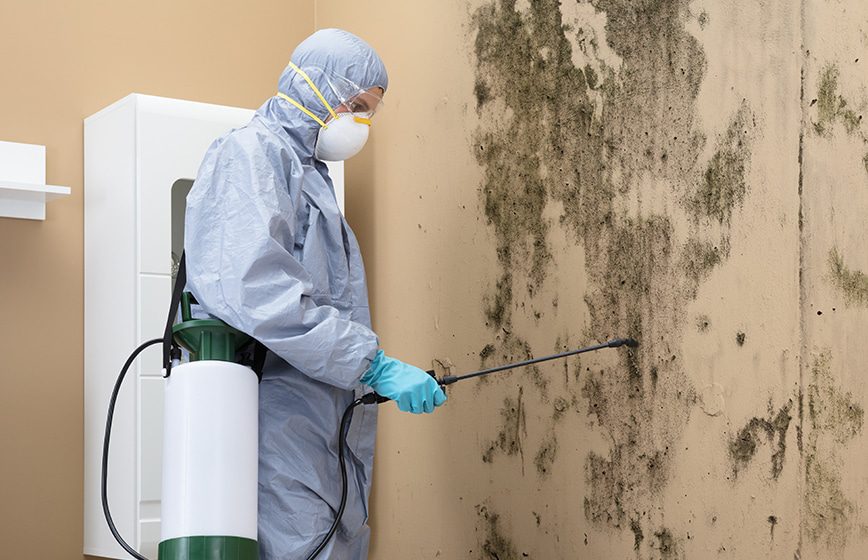
Mold Inspection
A proper inspection focuses on where moisture is coming from and how far the issue may have spread. We check common risk zones—bathrooms, basements, attics, crawlspaces, laundry rooms, under sinks, around windows, and HVAC areas—then outline a practical plan based on what we find.
Ideal after leaks, humidity issues, storms, or recurring musty odors
Call for Mold Inspection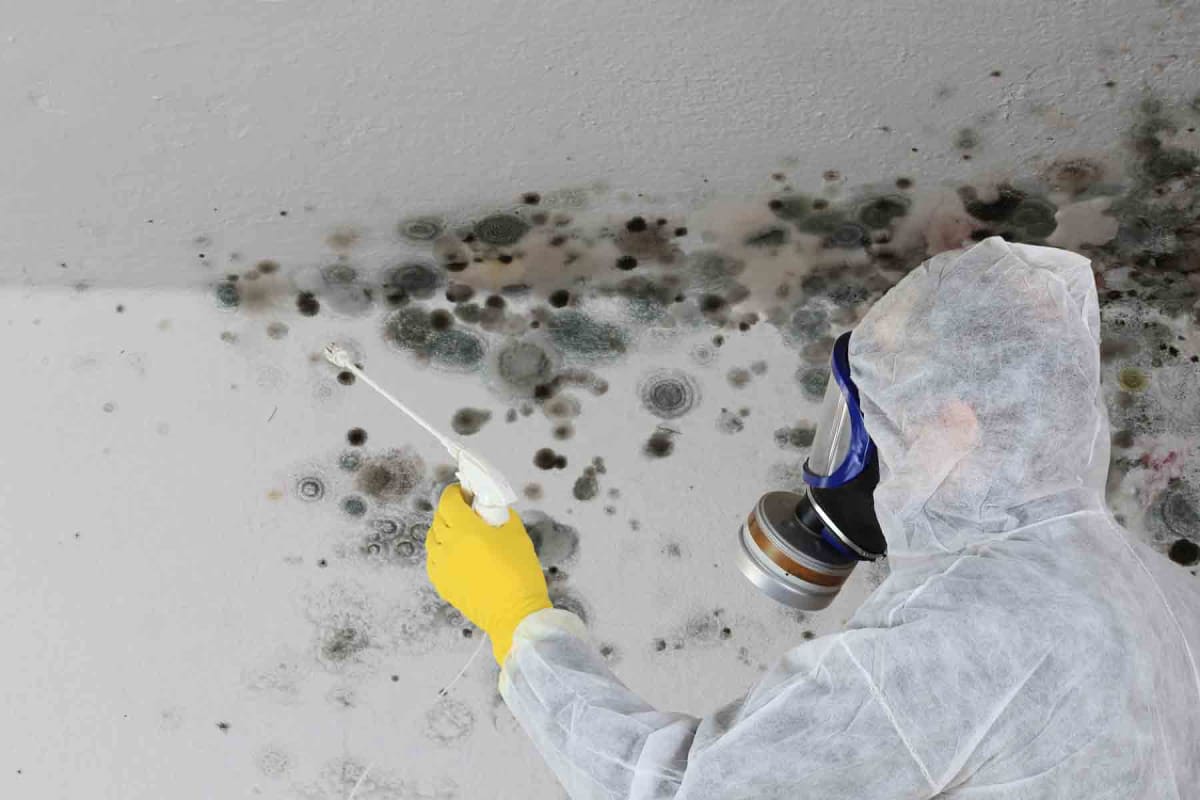
Mold Testing
Mold testing helps when you need documentation or clarity—especially for real estate, rentals, repeated growth, or suspected hidden mold. We explain which sampling option fits your situation and how results guide a safer cleanup and prevention plan.
Helpful for real estate, rentals, recurring symptoms, and hidden-mold concerns
Call to Schedule Mold Testing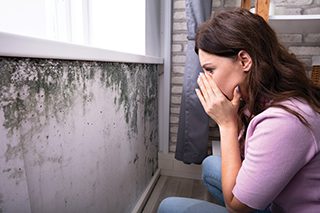
Air Quality Testing
If odors or symptoms persist, air quality testing can help guide decisions—especially when growth may be hidden behind walls, under floors, or within ductwork. We pair findings with a practical plan: fix moisture, improve airflow, and target cleanup.
Great when odors linger or you suspect hidden growth
Call for Air Quality Testing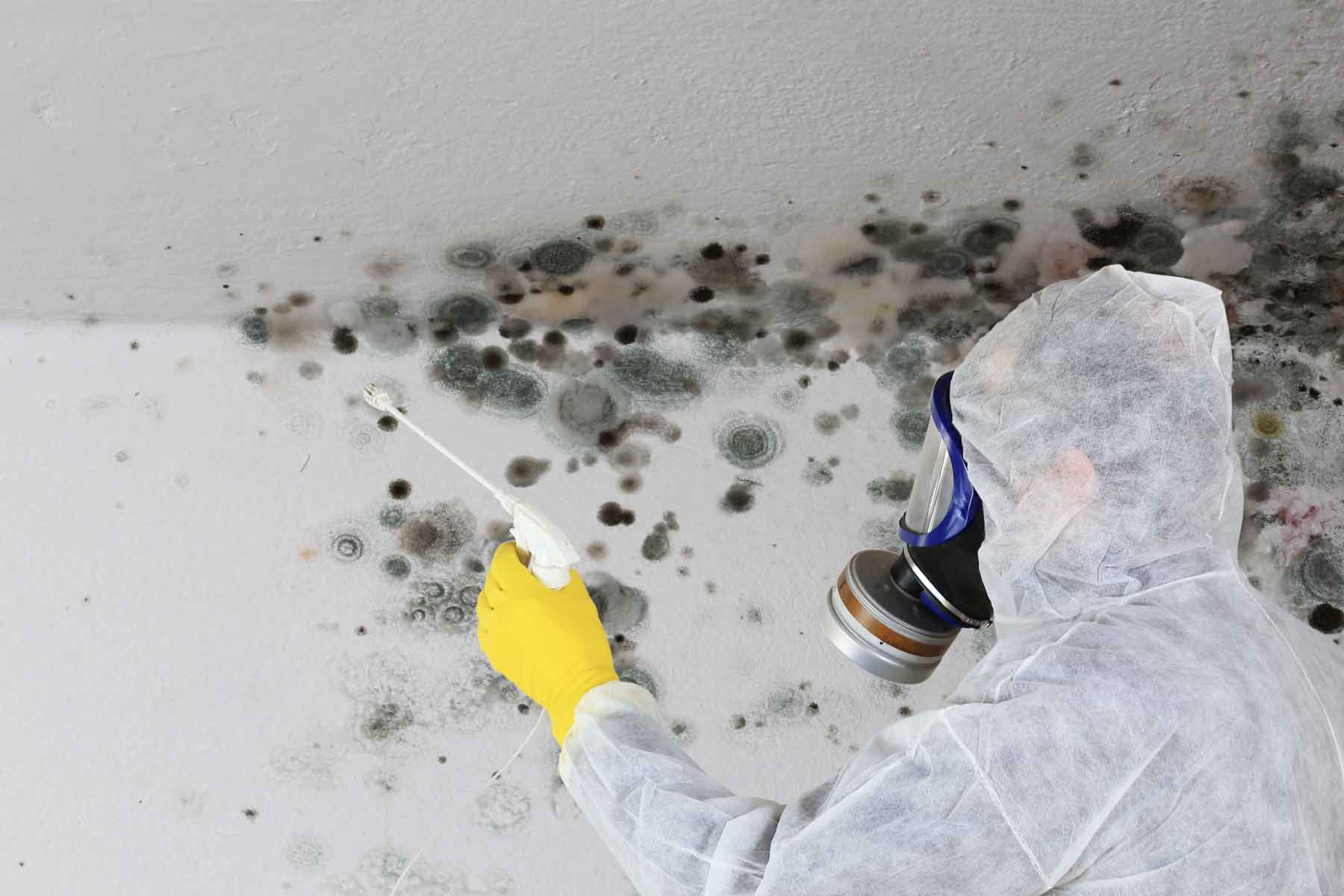
Mold Removal
Mold removal focuses on safe cleanup of affected surfaces using smart containment to reduce spread. We recommend the right approach based on the material involved and the likely moisture driver behind the growth.
Best for visible growth on walls, ceilings, and surfaces
Call to Book Mold Removal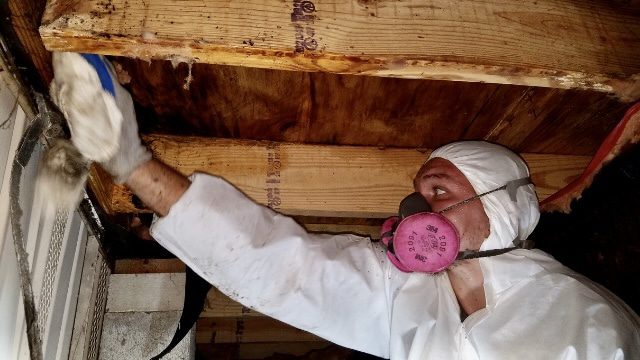
Mold Remediation
Remediation goes beyond surface cleaning. It may include containment, HEPA filtration, removal of contaminated porous materials, cleaning remaining surfaces, and verification that conditions are dry and stable—aimed at reducing recurrence risk.
Recommended for recurring mold or hidden moisture issues
Call to Discuss Remediation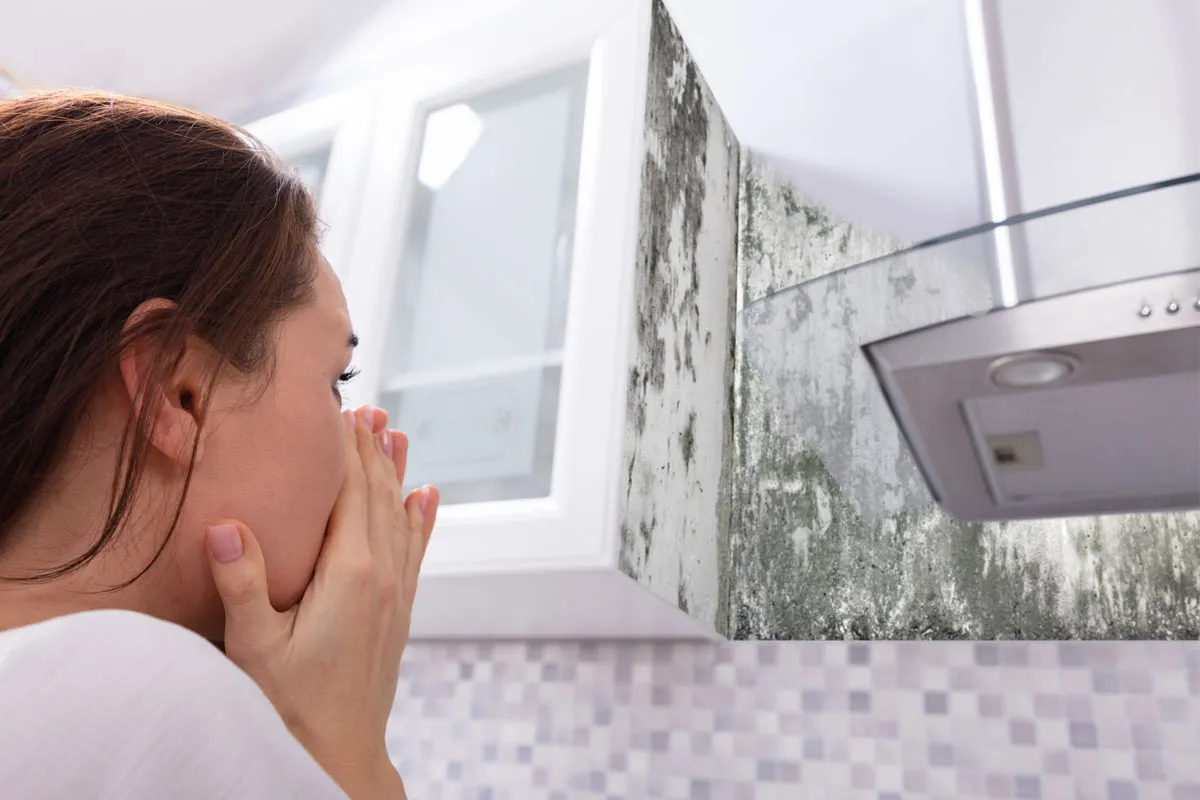
Moisture Control
Mold often returns when moisture isn’t solved. We help identify humidity drivers, ventilation gaps, condensation issues, and leak risks—then recommend practical steps to keep surfaces dry and reduce repeat growth.
Smart after remediation to prevent mold from coming back
Call for a Moisture Plan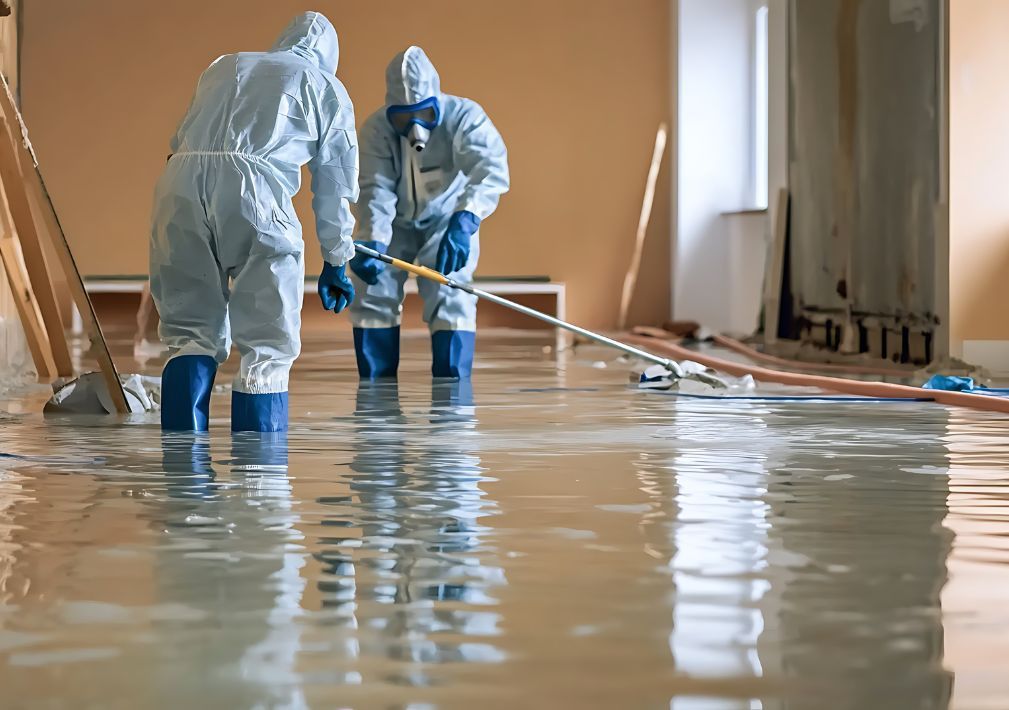
Water Damage
Water damage can lead to mold fast—especially in drywall, insulation, baseboards, and subfloors. We guide you through the right priority order, then connect mold prevention or remediation steps if needed.
Best for recent leaks, floods, and damp building materials
Call for Water Damage Help
Restoration
After cleanup, restoration brings the space back—drywall, insulation, flooring, trim, and finish coordination. We help plan next steps so your home is clean, safe, and ready for normal use.
Ideal after removal when materials need repair or replacement
Call to Plan Restoration
Fire Damage
Fire damage often involves smoke/soot plus water used to extinguish flames—creating conditions where mold can follow. We help outline a safe cleanup and restoration sequence to support recovery.
Helpful when fire cleanup and moisture issues overlap
Call for Fire Damage HelpHow Mold-Heal Helps: A Clear 4-Step Process
-
Listen + triage your situation
We start with what you’re seeing (or smelling), recent leaks, humidity patterns, and where symptoms or odors are worst. This helps prioritize the right service—inspection, testing, air quality testing, or urgent water-damage steps.
-
Identify the moisture driver
Mold is a moisture problem first. We focus on likely sources: plumbing leaks, roof intrusion, ventilation gaps, HVAC condensation, crawlspace humidity, or prior flood events.
-
Confirm scope and choose the safest fix
If needed, testing and targeted inspection clarify where growth is and what materials are affected. Then we recommend the safest approach—controlled removal or full remediation.
-
Prevent recurrence
The final step is prevention: drying, humidity targets, ventilation improvements, and moisture-control actions so the same conditions don’t recreate the problem.
Want a clear next step?
Call Mold-Heal at +1 (833) 642-3180 to schedule help or discuss the right service for your situation.
Service FAQs
What’s the difference between mold removal and mold remediation?
Mold removal usually refers to cleaning or removing visible growth. Mold remediation is broader and controlled: it often includes containment, HEPA filtration, removal of affected porous materials when needed, and—most importantly— correcting the moisture source to reduce regrowth risk.
Do I always need mold testing?
Not always. If growth is obvious and the moisture source is clear, you may proceed without testing. Testing is most useful for documentation (real estate/rentals), hidden-mold concerns, or when you want clarity about exposure.
How quickly should I act after a leak or flood?
Immediately. Drying within the first 24–48 hours is critical to reduce mold risk. If materials stayed wet longer, remediation steps may be required—especially for drywall, insulation, carpet padding, and subfloors.
Can HVAC systems spread mold?
HVAC systems can circulate particles if moisture and debris allow growth near coils, drains, or ductwork. Prevention depends on moisture control, proper filtration, and addressing condensation issues quickly.
Learn More: Mold-Heal Guides (Homeowner-Friendly)
Want to understand mold before you schedule service? Start here—practical, simple guides on prevention, inspection, remediation, humidity control, and health concerns.
Featured Guides
- How to Get a Free Mold Inspection (Your First Line of Defense Against Household Mold)
- The Health Risks of Mold Exposure: What Homeowners Need to Know
- Indoor Humidity and Mold Growth: What You Need to Know (and What to Do)
- Mold Removal Tools, Techniques & Safety Measures: The Complete Guide
- Expert HVAC Tips to Prevent Mold in Air Ducts (From HVAC Pros)
All Guides
- Professional Mold Remediation Explained: When & Why to Hire Experts
- Mastering Indoor Mold: Growth, Remediation & Prevention (Complete Guide)
- Ultimate Guide to Mold Removal Tools, Techniques & Safety Measures
- The Health Risks of Mold Exposure: What You Need to Know
- The Impact of Indoor Humidity on Mold Growth (and How to Control It)
- Effective Mold Cleaning Techniques: What Works (and What Doesn’t)
- Preventing Mold in Your Attic: Maintenance Tips for Homeowners
- How Climate Change is Increasing Mold Risk in Your Home
- How to Treat Mold on Walls: A Step-by-Step Guide
- Why Understanding Mold Matters: Risks, Causes & Prevention
- How to Apply Mold Science: Prevention and Remediation
- How to Choose the Best Mold Cleaning Solution (Safety + Results)
- Why Mold Poses Health Risks: The Impact on Your Well-Being
- Best Mold Removal Tools: Options for Efficient Remediation
- Interview with a Mold Remediation Specialist: Top Tips for a Mold-Free Home
- How to Maintain a Mold-Free Home Environment
- Mold in Real Estate: Risks, Disclosure, Value Impact & Buyer Tips
- How to Mold-Proof Your Home: Strategies, Tips & Techniques
- What to Do After a Water Leak: A Mold Prevention Checklist
- Common Mold Myths Debunked by Professionals (What’s True vs. False)
- Why Mold Remediation is Important: Risks & Benefits of Cleanup
- How to Get a Free Mold Inspection with Mold-Heal (First Line of Defense)
- The Ultimate Guide to Mold-Resistant Home Renovations
- Sustainable Mold Removal Methods: Eco-Friendly Ways to Eliminate Mold
- Health Risks of Mold Exposure: Who’s Most at Risk?
- How to Protect Your Family from Mold-Related Health Issues
- Preventing Mold in Air Ducts: Expert HVAC Advice
Need Help Choosing the Right Service?
Tell us what happened (leak, humidity, odors, visible growth, symptoms). We’ll point you to the safest next step— inspection, testing, removal, remediation, moisture control, or restoration planning.