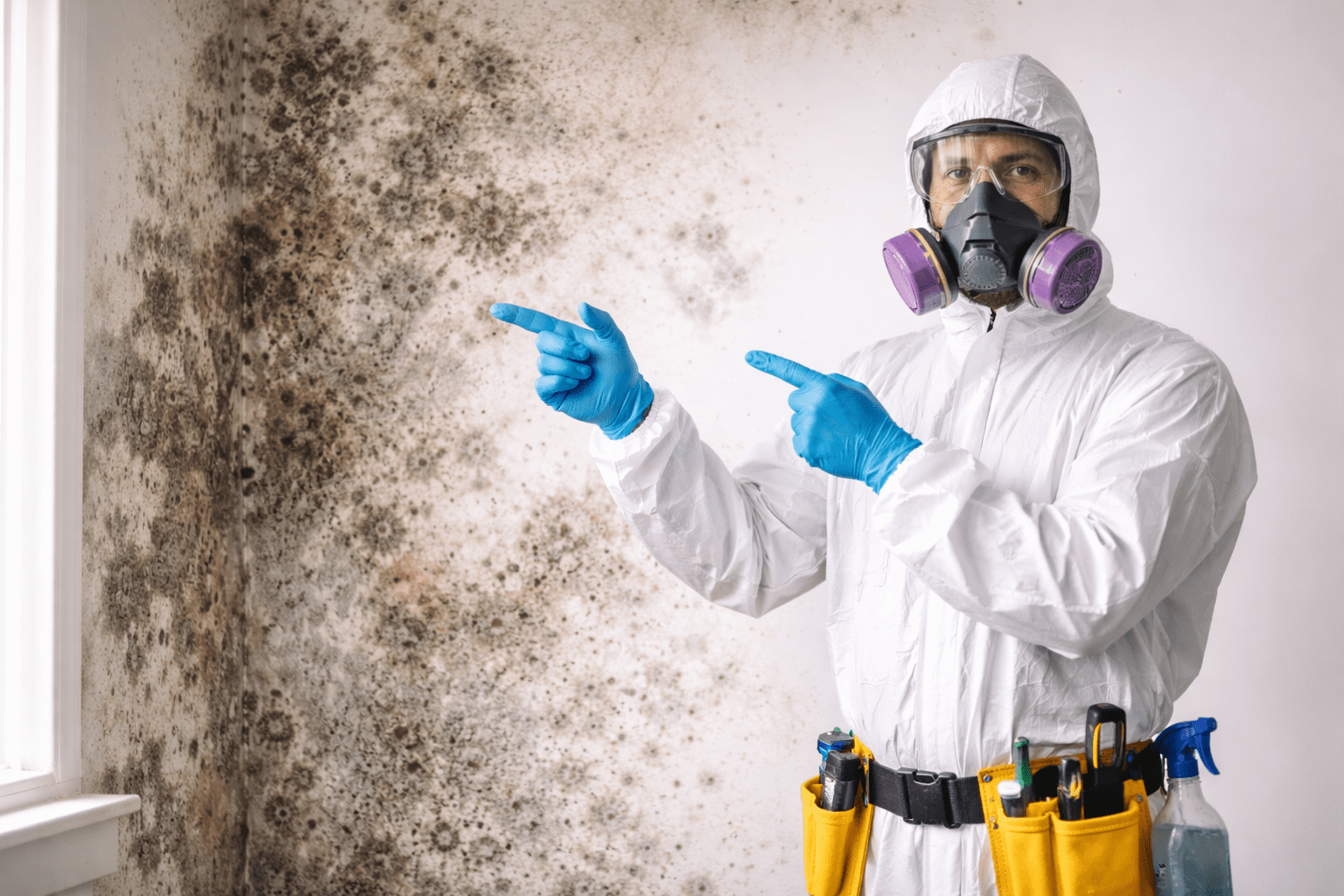
The Health Risks of Mold Exposure: What You Need to Know
Mold exposure isn’t just a household nuisance—it’s a real indoor health concern. From respiratory irritation to long-term sensitivity issues, this guide explains how mold affects the body, who is most at risk, how to detect it early, and how to protect your home and health.
Quick Takeaway: Mold Affects More Than Your Walls
Mold releases spores and fragments into the air. When inhaled over time, these particles can irritate the respiratory system and worsen existing health conditions—especially in children, older adults, and those with allergies or asthma.
- Mold exposure often causes symptoms before visible growth appears
- Children are more vulnerable to long-term effects
- Humidity control is a major health protection step
- Early action prevents both health and property damage
Why Mold Exposure Matters
Mold is a natural part of the environment, but indoors it becomes a problem when moisture allows it to grow unchecked. As mold spreads, it releases airborne spores that can be inhaled daily— often without occupants realizing it.
Over time, repeated exposure may irritate airways, trigger allergies, and reduce overall indoor air quality. The risk increases when mold growth is hidden behind walls, under flooring, or within HVAC systems.
Important to know
Health symptoms related to mold don’t always appear immediately. Mild irritation can gradually develop into chronic discomfort if exposure continues.
Common Types of Household Mold
Many mold species can appear indoors. While they differ in appearance, most thrive under similar moisture-rich conditions.
- Cladosporium – Common on walls, carpets, and fabrics
- Penicillium – Often found on water-damaged materials
- Alternaria – Frequently grows near windows and damp areas
- Stachybotrys chartarum – Known as “black mold,” associated with chronic moisture
Key reminder
Health risk depends more on exposure duration and moisture conditions than mold color alone.
Health Effects of Mold Exposure
Mold exposure can affect people differently. Some individuals experience mild symptoms, while others may develop more persistent or severe reactions.
Common symptoms
- Chronic coughing or sneezing
- Irritation of eyes, throat, or skin
- Wheezing or shortness of breath
- Headaches or fatigue
More serious reactions
- Worsening asthma symptoms
- Recurring sinus infections
- Severe allergic responses
- Reduced lung function over time
“Prolonged mold exposure can irritate airways even in otherwise healthy individuals.” — Respiratory Health Specialist
Why Children Are Especially Vulnerable
Children breathe more air per pound of body weight than adults, making them more susceptible to airborne irritants like mold spores. Their developing respiratory systems can be affected by prolonged exposure in damp living environments.
Pediatric concern
Long-term exposure during early childhood has been associated with increased respiratory sensitivity later in life.
How to Detect Mold Early
Early detection is one of the most effective ways to reduce health risks. Mold often reveals itself through subtle clues before visible growth appears.
- Persistent musty or earthy odors
- Unexplained allergy-like symptoms indoors
- Visible discoloration on walls or ceilings
- Recent leaks, flooding, or condensation issues
Professional insight
Mold can hide behind walls, under carpets, and inside HVAC systems. Inspections help identify hidden moisture and contamination.
Reducing Health Risks: Prevention and Control
The most effective way to protect health is to prevent mold growth before it begins. Moisture control is the foundation of every prevention strategy.
- Keep indoor humidity below 50%
- Use dehumidifiers in damp areas
- Maintain HVAC systems for proper airflow
- Repair leaks and water damage promptly
- Choose mold-resistant materials during renovations
- Consult professionals at early signs of mold
Prevention principle
Dry spaces stay healthy. Controlling moisture protects both your home and your lungs.
Real-World Example: Health Improves After Mold Removal
The Smith family noticed frequent coughing and allergy symptoms that seemed worse at home. After a professional inspection revealed hidden mold behind basement walls, remediation and moisture control were completed. Within weeks, indoor air quality improved and symptoms decreased.
Frequently Asked Questions
Can mold exposure affect healthy adults?
Yes. Even healthy individuals may experience irritation or respiratory symptoms with prolonged exposure.
Is visible mold always dangerous?
Visible mold indicates moisture problems. Health risk depends on exposure level and duration.
What’s the most important prevention step?
Moisture control—fix leaks quickly and maintain healthy indoor humidity levels.
GET IN TOUCH
Protect Your Home from Mold Today. If you’re experiencing unexplained health symptoms or suspect hidden mold, a professional inspection can help identify risks early.