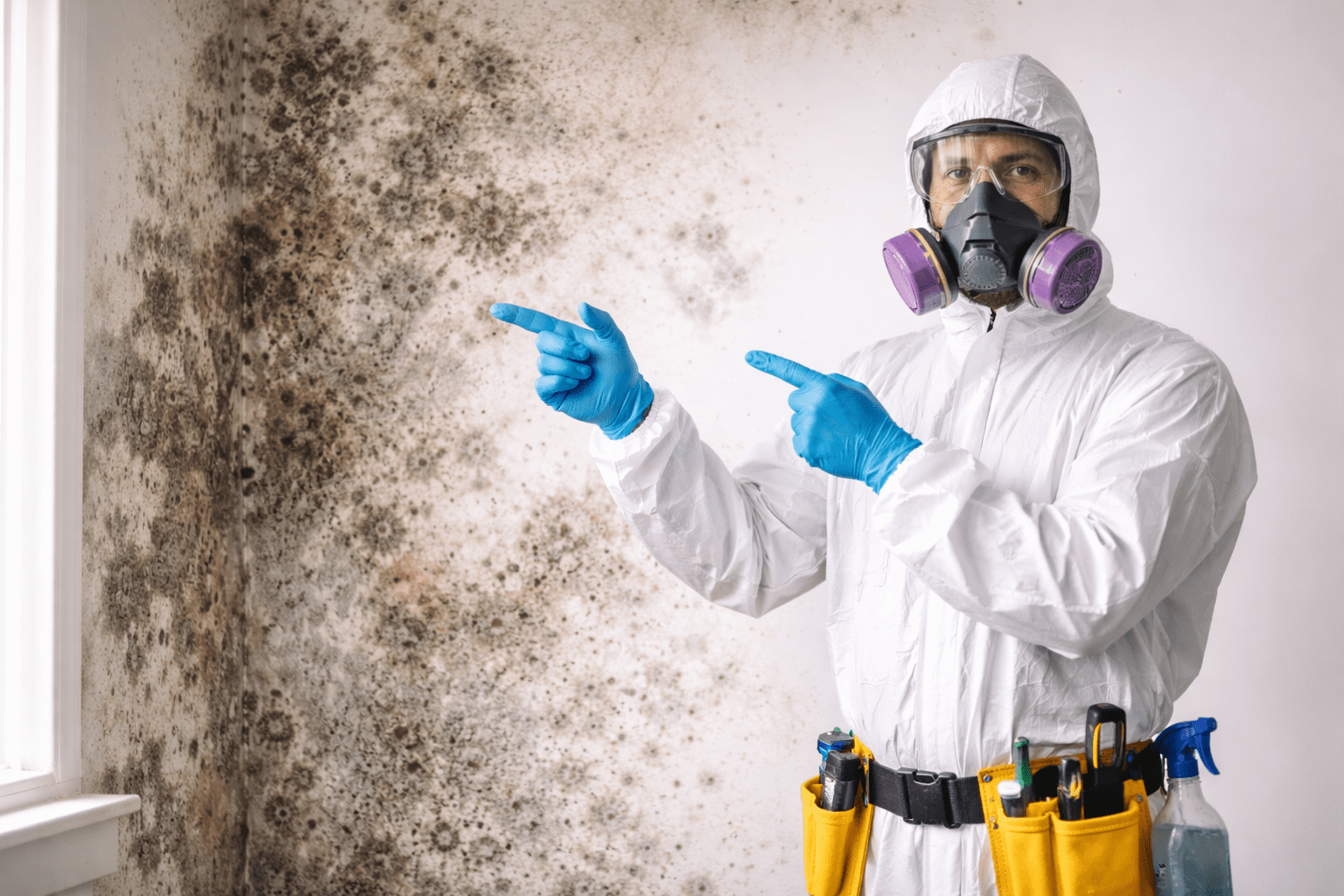
Understanding the Health Risks of Mold Exposure: Who’s Most at Risk?
Mold is common, but its health impact is not the same for everyone. This guide explains how mold affects the body, what symptoms to watch for, and which groups are most vulnerable—so you can respond early and protect indoor air quality.
Quick Takeaway: Mold Is a Moisture + Exposure Problem
Mold spores exist everywhere. Health problems typically increase when there’s indoor dampness, mold growth on materials, and ongoing exposure—especially for people with asthma, allergies, weak immune systems, and very young children.
- Persistent dampness or leaks increase the risk of indoor mold and symptoms
- Some people react strongly even at low exposure levels
- Cleaning without fixing moisture can lead to repeat problems
- If symptoms improve when you leave the building, investigate indoor air quality
How Mold Exposure Affects Health
Mold is a type of fungus that reproduces through microscopic spores. Spores are common in outdoor air and enter buildings through doors, windows, ventilation systems, and even on clothing or pets. Indoors, mold becomes a bigger health concern when it grows on damp materials and releases more spores and tiny particles into the air.
What’s actually causing symptoms?
Health effects are usually linked to a combination of spores, fragments, and irritating compounds released by mold—plus the overall damp environment, which can also support other irritants. People respond differently based on age, medical conditions, and immune sensitivity.
Most mold-related symptoms are not “mystical” or rare—they look like common respiratory or allergy problems. The reason mold gets missed is simple: symptoms can be subtle, can come and go, and mold is often hidden.
Common Symptoms of Mold Exposure
Mold exposure affects people differently. Some people have mild irritation; others have significant flare-ups. These are common symptom patterns linked to indoor dampness and mold exposure:
- Nasal symptoms: congestion, runny nose, sneezing, post-nasal drip
- Throat irritation: scratchy throat, frequent throat clearing
- Cough and chest symptoms: coughing, wheezing, chest tightness, shortness of breath
- Eye irritation: itchy, watery, red eyes
- Skin: rashes or irritation in sensitive individuals
- General complaints: headaches or fatigue (often non-specific, but may correlate with exposure)
“If symptoms worsen at home and improve when you’re away, indoor air quality should be evaluated.” — Indoor Environmental Specialist
Seek urgent care if
There is severe shortness of breath, chest pain, fainting, high fever, or rapidly worsening asthma symptoms. Mold can aggravate serious conditions and should not be ignored in high-risk individuals.
Who’s Most at Risk (and Why)
Anyone can be irritated by mold, but certain groups are more likely to experience stronger or more dangerous health effects. Risk increases with longer exposure, more indoor dampness, and existing medical vulnerability.
Children
Developing lungs and smaller airways make kids more sensitive to indoor air irritants. Early-life exposures can worsen wheeze and asthma.
Asthma & allergies
Mold can trigger asthma attacks and allergic symptoms. People with chronic sinus issues may also flare in damp environments.
Weakened immunity
Immunocompromised individuals have a higher risk of serious fungal infections and should avoid exposure to moldy environments.
Older adults
Age-related immune changes and chronic heart/lung disease can increase sensitivity to damp indoor air and respiratory triggers.
Pregnancy
Many exposures cause irritation rather than unique pregnancy-specific disease, but it’s still best to avoid dampness and reduce triggers, especially if asthma is present.
Mold and Children
Children breathe more air per body weight than adults and spend significant time indoors. Their immune systems and lungs are still developing, which makes them more reactive to indoor irritants. In damp buildings, children may develop more frequent coughing, wheeze, or allergy symptoms.
- Watch for nighttime cough, wheeze, or frequent “colds” that don’t fully resolve
- Pay attention to symptoms that improve during vacations or time away from home
- Don’t ignore musty odors—odor often signals hidden moisture problems
Best first step for families
Control moisture fast: fix leaks, dry wet materials quickly, and keep humidity in a healthy range. These changes often reduce symptoms.
Asthma, Allergies, and Chronic Lung Disease
Mold exposure is a common trigger for people with asthma and allergies. It can worsen airway inflammation, increase coughing and wheezing, and make rescue inhalers needed more often. People with COPD or chronic bronchitis may also feel worse in damp, musty environments.
Signs your home may be triggering asthma
Increased wheeze at home, frequent nighttime symptoms, persistent nasal congestion, or symptoms that ease in dry, well-ventilated environments.
Practical home actions
Keep humidity controlled, fix leaks, improve bathroom/kitchen exhaust ventilation, and address HVAC condensation issues.
If someone has asthma and symptoms are increasing, it’s worth evaluating the home for moisture issues—even if mold is not visible.
Weakened Immune Systems and Serious Risks
For immunocompromised individuals, mold exposure can be more than irritation. Certain fungi can cause infections in vulnerable people. This includes individuals undergoing chemotherapy, transplant recipients, people on high-dose steroids, and those with advanced immune suppression.
Extra caution for high-risk individuals
If you have a weakened immune system, avoid cleaning mold yourself. Professional assessment and safe remediation are strongly recommended, especially if mold is widespread or in HVAC/ventilation systems.
- Do not sleep in rooms with strong musty odors or visible mold growth
- Avoid disturbing moldy materials (this can increase airborne particles)
- Seek medical guidance if respiratory symptoms or fever occur in a damp environment
Pregnancy and Older Adults
Pregnancy and older age don’t automatically mean “mold illness,” but both groups benefit from lower exposure to indoor irritants. If asthma, allergies, heart disease, or chronic lung conditions are present, symptoms may be more noticeable in damp environments.
Older adults
Greater sensitivity to air quality changes, plus more impact from chronic respiratory conditions.
Pregnancy
Avoiding dampness is a healthy-home practice. Prioritize ventilation and humidity control, especially in bathrooms.
Care settings
If symptoms appear in assisted living or multi-unit buildings, building-wide moisture sources may be involved.
What to Do If You Suspect Mold Exposure
The most effective response is a calm, step-by-step approach focused on moisture and exposure reduction.
-
1) Track symptoms and patterns
Note where and when symptoms happen. Do they worsen in a specific room? Improve at work or outdoors? Patterns help pinpoint sources.
-
2) Look for moisture first
Check for leaks under sinks, around toilets, near windows, in basements, and around HVAC equipment. Mold follows moisture.
-
3) Reduce humidity
Use exhaust fans, run dehumidifiers where needed, and keep airflow moving. Consistent humidity control is a major exposure reducer.
-
4) Don’t spread it
Avoid dry-brushing, sweeping, or pulling up materials without containment. Improper cleaning can increase airborne exposure.
-
5) Get professional help when appropriate
If mold is extensive, keeps returning, is in HVAC/ductwork, or if high-risk individuals are involved, schedule an inspection.
Prevention That Actually Works
Prevention is not about spraying stronger chemicals. It’s about stopping moisture and keeping indoor air conditions stable. These steps reduce mold risk in most homes:
- Fix leaks fast: roof, plumbing, appliances, window/door flashing
- Vent moisture outdoors: bathrooms and kitchens should exhaust outside
- Keep humidity controlled: many homes do best below ~50–60%
- Dry wet materials quickly: water-damaged drywall, carpet, and insulation can stay wet inside
- Maintain HVAC: clean drain lines/pans, address condensation, change filters on schedule
Best prevention mindset
Treat moisture like a “maintenance emergency.” The sooner you dry and repair, the less likely mold becomes a repeating health trigger.
Frequently Asked Questions
Is “black mold” always the most dangerous?
Not always. Many molds can look dark. Health risk depends on exposure level, sensitivity, and the damp environment. Any persistent indoor mold should be taken seriously.
Can mold make healthy people sick?
It can irritate eyes, nose, and throat in many people—especially in damp spaces. People with allergies/asthma often react more strongly.
Should I test for mold or just remove it?
If you see growth, the priority is fixing moisture and removing contamination safely. Testing can be useful for documentation, large/hidden issues, or when health concerns require more clarity.
When is professional remediation recommended?
If growth is widespread, keeps returning, involves HVAC systems, or if vulnerable people live in the home, professional help is recommended.
Concerned About Symptoms or Hidden Mold?
If someone in your home is high-risk—or symptoms keep returning—an inspection can identify moisture sources and likely hidden growth, so you can take the right next step with confidence.