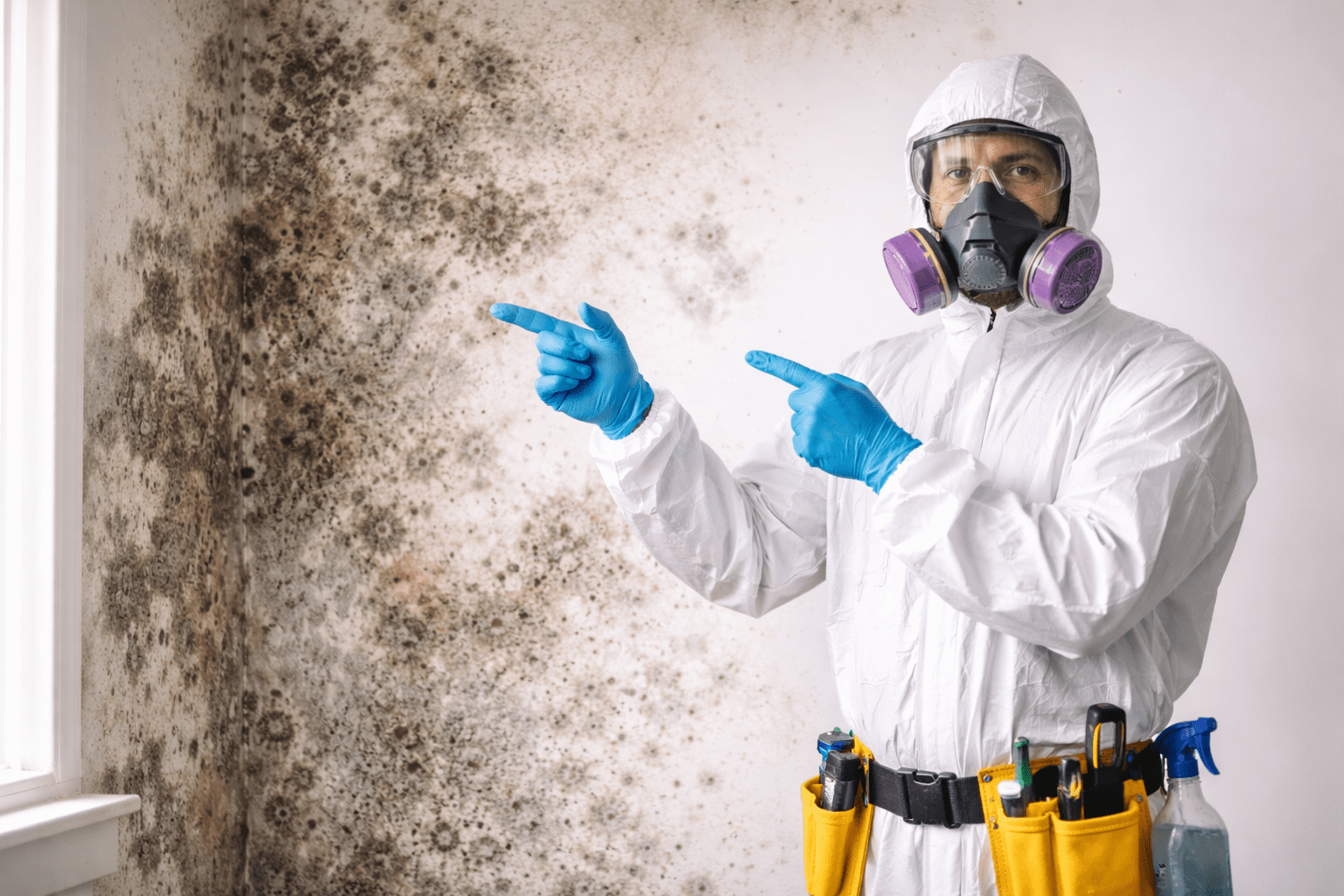
Why Understanding Mold is Crucial: Examining the Risks and Impact on Health and Environment
Mold is more than a household nuisance—it affects human health, building integrity, indoor air quality, and even the broader environment. This guide explains what mold is, why it matters, and how informed action can reduce its risks to people and property.
Quick Takeaway: Mold Is a Health, Building, and Environmental Issue
Mold is part of the natural environment, but indoors it becomes a problem when moisture, poor ventilation, and time allow it to grow unchecked. Understanding mold helps prevent health risks, costly damage, and environmental impact.
- Mold thrives where moisture persists
- Indoor mold can affect breathing and allergies
- Building materials weaken over time
- Prevention relies on moisture control
What Mold Is and How It Grows
Mold is a type of fungus that reproduces through microscopic spores. These spores are present almost everywhere and become problematic indoors when they land on damp surfaces and begin to grow.
Structurally, mold consists of thread-like filaments called hyphae, which form a network known as mycelium. Common indoor molds include Aspergillus, Penicillium, and Stachybotrys (often referred to as black mold).
Conditions mold loves
High moisture, poor ventilation, warm temperatures, and organic materials such as wood, drywall, and dust.
Health Risks of Mold Exposure
Mold exposure can affect people differently. While some individuals experience mild irritation, others may develop more significant symptoms, particularly those with asthma, allergies, or weakened immune systems.
- Coughing, wheezing, and throat irritation
- Sneezing, nasal congestion, and watery eyes
- Skin rashes or irritation
- Worsening asthma or respiratory conditions
Higher-risk groups
Children, older adults, and immunocompromised individuals may experience more severe or prolonged symptoms from mold exposure.
Environmental and Structural Impact of Mold
Mold plays a natural role outdoors by breaking down organic matter. Indoors, however, uncontrolled mold growth can severely damage buildings and materials.
Structural damage
Mold breaks down wood, drywall, insulation, and finishes, weakening structural integrity over time.
Economic cost
Mold infestations often require expensive remediation, repairs, and may reduce property value.
Ecosystem effects
In nature, mold supports decomposition, but excess growth can disrupt soil health and plant life.
Mold and Indoor Air Quality
Mold growth indoors can significantly degrade air quality. As mold grows, it releases spores and volatile organic compounds (VOCs) into the air, which may be inhaled by occupants.
Poor indoor air quality caused by mold can lead to persistent odors, discomfort, and increased respiratory irritation—especially in enclosed or poorly ventilated spaces.
“Maintaining good indoor air quality starts with controlling moisture and mold.” — Indoor Environmental Health Specialist
Prevention and Control Strategies
Preventing mold is more effective and less costly than remediation. Successful control focuses on eliminating the conditions mold needs to grow.
- Fix leaks and water intrusion promptly
- Control indoor humidity with ventilation and dehumidifiers
- Ensure proper airflow in kitchens, bathrooms, and basements
- Inspect homes regularly for moisture or early mold signs
- Remove contaminated materials when necessary
- Use mold-resistant building products in high-risk areas
Prevention principle
Mold prevention is moisture management. Keep materials dry, and mold cannot thrive.
Legal and Regulatory Considerations
Mold-related responsibilities are often outlined in building codes, health regulations, and property laws. These may address ventilation, moisture control, construction standards, and occupant safety.
Property owners, landlords, and contractors may face liability if mold issues are ignored or improperly addressed. Understanding these responsibilities encourages proactive maintenance and safer living environments.
Education, Awareness, and Community Action
Raising awareness about mold empowers individuals and communities to take early action and adopt healthier habits.
- Online resources and educational websites
- Community workshops and seminars
- Printed guides and informational materials
- Certification and continuing education programs
- Local forums, events, and support groups
Knowledge leads to action
Informed homeowners and communities are better equipped to prevent mold and protect public health.
Future Challenges and Research
Ongoing research continues to improve mold detection and remediation techniques. Advances in technology are making moisture monitoring and cleanup more precise.
Climate change presents new challenges, as warmer and more humid conditions may increase mold prevalence. Policymakers, researchers, and homeowners must adapt strategies to protect health and environmental quality.
Frequently Asked Questions
Is mold always harmful?
Mold is a natural organism, but indoor mold growth can pose health and structural risks when moisture is not controlled.
Why does mold affect air quality?
Mold releases spores and VOCs into the air, which can irritate the respiratory system.
What is the most effective mold prevention step?
Controlling moisture through ventilation, repairs, and humidity management.
GET IN TOUCH
Protect Your Health and Environment from Mold. If you suspect mold, moisture issues, or declining indoor air quality, a professional inspection can help you take the right next step.